Energy grants About energy grants

Gas bill

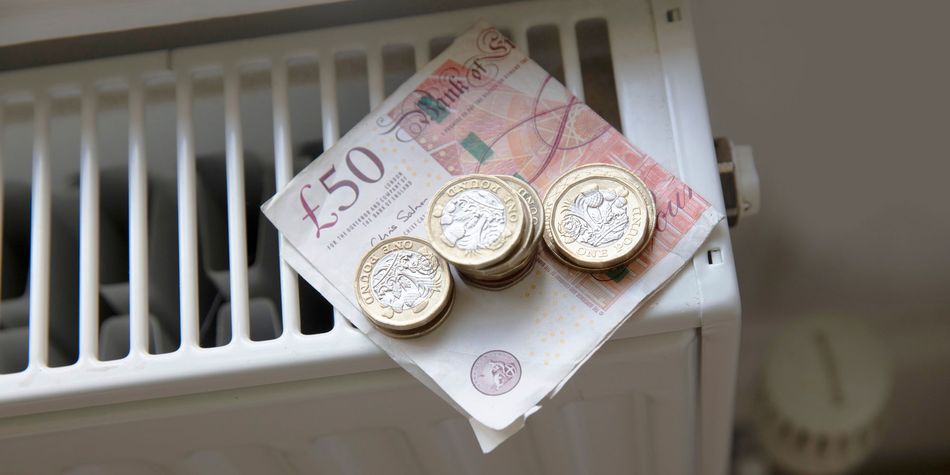
Poor energy efficiency could be adding £300 a year to your energy bills

The average household could be losing about £300 a year because of poor energy efficiency, according to government figures. And with gas and electricity prices likely to rise in the long term, you could stand to lose a lot more money in the future.

If you want to save energy in your home, there are a range of energy grants and offers available to homeowners that provide financial help to cover the initial outlay involved in installing energy-efficient features.

Energy efficiency grants, discounts and freebies

The majority of energy efficiency grants are funded through a government-backed scheme called the Carbon Emissions Reduction Target (Cert). This obliges the big energy suppliers - British Gas, Npower, EDF Energy, Scottish & Southern Energy, Scottish Power, and Eon - to help reduce carbon dioxide (CO2) emissions from homes by providing financial support for households to install energy-efficiency measures. 

Cert is delivered by energy suppliers in partnership with a range of organisations, including local installation companies, retailers like Tesco, Sainsbury's, and Marks and Spencer, and local councils. Depending on your personal circumstances, energy efficiency grants can cover part or all of the cost of installing energy-saving measures in your home. Cert is due to end at the end of 2012, so Which? advises consumers to take on these offers, some completely free, before they expire.

Energy-efficiency measures

cavity wall graphic

There are many ways to save energy – and money – in your home. Some, such as draught proofing and fitting energy saving light bulbs, are cheap and easy - our guide to cutting your energy costs has more advice. Loft insulation and cavity wall insulation are relatively straightforward to install and will yield bigger savings. 

Adding 270mm of loft insulation to a typical home with no loft insulation could cut heating bills by up to £175 a year, while cavity wall insulation will save you up to £135 a year.

Larger projects, such as fitting a modern condensing boiler or solid wall insulation, are more expensive - but the long-term savings can be even greater. A new boiler with modern heating controls could save you £300 a year, with solid wall insulation giving savings of up to about £475 a year.

Earn cash for generating energy

Installing energy-generating technologies, such as solar panels is something you should only consider after you've made your home as energy efficient as possible. 

The upfront costs can be  high - but the Feed-in Tariff (FIT) and the Renewable Heat Incentive (RHI), also known as 'clean energy cashback' schemes, help offset the initial expense of installing renewable energy technologies, such as solar panels, wind turbines and ground source heat pumps

FIT and RHI incentivise take-up of renewable energy technologies by paying owners of qualifying technologies a guaranteed payment for every unit of electricity or heat they generate. Whilst FIT has been up and running since 2010, RHI has yet to be launched for householders. But grants are currently available under the Renewable Heat Incentive Premium Payment until 31 March 2012 paying from £300 towards the purchase of a solar thermal heating system and £1,250 towards a ground source heat pump.

This is on top of the money saved by not having to use traditional sources of energy such as grid electricity or mains or tanked gas. Those who generate electricity with technologies such as solar PV panels can also sell any electricity they don't use back to their electricity supplier for a guaranteed price.

To find out more about FIT and RHI, see our dedicated guides.

Warm Front Discount - £120 payment

This scheme, introduced in winter 2011, gives £120 to consumers who need help with their energy bills. The Warm Home Discount is targeted at pensioners and people who receive certain benefits.

More ways to save on energy

As well as using energy efficiency grants to help cut the amount of gas and electricity you use, you should also make sure you’re on the best-value energy tariff. You can save between £100 and £150 a year on your supplier’s standard direct debit tariff by going for a tariff with online account management. 

Our free and independent switching site, Which? Switch, can help you find the best deals from all gas and electricity companies and also features the results of the energy suppliers satisfaction survey - giving a picture of how customers rate their suppliers' service.

More on this...

Which? works for you