By clicking a retailer link you consent to third-party cookies that track your onward journey. This enables W? to receive an affiliate commission if you make a purchase, which supports our mission to be the UK's consumer champion.

The truth about health drinks

From kombucha to kefir to apple cider vinegar - we look at the evidence behind popular health drinks to see if their wellness claims stack up
Shefalee LothPrincipal researcher & writer

Public health nutritionist with 20+ years at Which? and the NHS delivering evidence-based food and nutrition insights.

Assorted health beverages including kombucha, kefir shots, juice shots and herbal teas.

Supermarkets, health food shops and even coffee shops are filled with teas, lattes, shots and other drinks that claim to offer health benefits beyond a standard coffee or glass of juice.

But are these claims valid and do we need these products in our diets for optimum health?

Which? nutritionist Shefalee Loth looks at some of the most popular products and uncovers the facts behind the headline-inducing health claims.

Turmeric tea

Turmeric, the bright yellow spice, is a popular addition to many drinks from milky teas and lattes to juice shots.

Turmeric contains curcumin, an antioxidant with anti-inflammatory properties. It's also claimed that it reduces your risk of chronic diseases such as diabetes and cancer, and reduces joint pain.

However, the available evidence doesn't support these claims, and the European Food Safety Authority (EFSA) concluded in 2017 that a cause-and-effect relationship between curcumin consumption and joint health maintenance had not been established.

This is because many of the studies these claims are based on are animal studies, and we can't assume the same results will be seen in humans. These studies also used very high doses of curcumin, between 1,000 and 4,000mg taken at least once a day.

Compared with other spices, turmeric has very low curcumin levels (around 2-3%) and is poorly absorbed. This means that a drink containing a teaspoon of turmeric will contain around 60mg of curcumin. As such, it's hard to get high-enough levels of curcumin through diet for it to have a medicinal effect.

While drinking a latte or juice containing turmeric is perfectly safe, you should be wary of taking high-dose turmeric or curcumin supplements, which are increasingly popular. EFSA has set a safe acceptable daily intake of up to 3mg of curcumin per kg of body weight a day. That means a 65kg woman could safely consume 195mg curcumin a day.


Our expert nutritionist shares all you need to know before you buy the Zoe test: Is Zoe worth it?


Matcha and green tea 

Matcha powder is made from green tea leaves that are dried and ground into a concentrated powder, whereas green tea is made by adding hot water to green tea leaves.

Green tea leaves are high in a polyphenol, catechin, which is an antioxidant. Claims about the benefits of green tea include that it increases metabolism, so it is often touted as helping with weight loss. However, this claim has been disproven.

Other research shows it might help reduce cholesterol and blood pressure, and the risk of liver disease, stroke, dementia and certain types of cancer. However, overall, there's not enough evidence to prove these claims or support using green tea to help with these conditions. Cancer Research UK says 'there is not enough reliable evidence to say [green tea] might prevent certain cancers'.

Green tea contains tannins (as does black tea), which interfere with iron absorption, so it shouldn't be drunk at mealtimes. It also contains caffeine (although not as much as black tea or coffee), so drinking too much can affect your sleep.

Matcha drinks and green tea are perfectly safe to drink in moderation, but be wary of high-dose supplements of green tea or matcha that contain 800mg of EGCG (one of the catechins) - these have been shown to cause serious liver damage.


Herbal and botanical supplements: what to know before buying


Charcoal lattes

Charcoal lattes are popular on social media - the dark grey or black drink is very photogenic.

They're usually made with milk, a flavouring such as vanilla or honey, and a teaspoon of activated charcoal powder. Health claims include that charcoal can help detoxify and cleanse, and aid digestion.

Activated charcoal absorbs chemicals in our gut and is used to treat cases of poisoning and drug overdoses. It binds to the chemical and removes it from the gut, thereby reducing absorption.

But activated charcoal isn't selective about what it binds to, so it also blocks the absorption of good nutrients, such as calcium, from the milk in the latte. It also affects the absorption of oral medications, reducing their effectiveness. This includes the contraceptive pill.

While the dose of activated charcoal in a latte won't be as high as in a medical emergency, there's not enough strong scientific evidence to support its use in lattes and other foods.

If you're on any oral medication or pills, you should avoid food and drinks that contain it.


Find out more about the foods and drinks that can affect your medication


Kefir

A bottle of kefir

Kefir is fermented milk which is made by mixing milk with kefir grains that contain live yeast and lactic acid bacteria. The end product contains live bacteria similar to those found in probiotic supplements. 

Kefir tastes like liquid yoghurt (and is increasingly available in yoghurt form as well as drinks), and is a good source of calcium and protein. Kefir Water is a dairy-free option, but watch out for added sugar.

The scientific evidence behind kefir and other probiotics is limited, and these products have no authorised health claims. However, the evidence that the bacteria in kefir reach the gut intact is stronger than for other fermented foods, including kombucha.

Looking to buy private health insurance?

Find the right private health insurance policy using the service provided by LifeSearch.

Find out more

Kombucha

A can of Kombucha

Kombucha is another fermented product, but this time made from tea. A live culture of bacteria and yeast, known as a SCOBY, is added to sweetened black or green tea. The sugar in the tea feeds the bacteria and allows them to multiply.

Kombucha contains live bacteria, but the evidence for its benefits is still limited. Because tea is often sweetened, Kombucha can be high in sugar, so check the label when choosing.

You can also feed the friendly bacteria in your gut by eating a varied diet that includes a range of fibre-rich foods, such as onions, garlic, leeks, oats, apples and bananas.


Find our more in our full guide to probiotics and gut health


Apple cider vinegar

Many people swear by downing a 'shot' of apple cider vinegar in the morning or before a meal. 

The claimed health benefits of drinking apple cider vinegar range from boosting weight loss to lowering blood sugar levels to improving digestion and immunity. 

However, the studies that show these results aren't very robust, and there isn't a strong body of evidence to support these claims - for every study that shows a benefit, there's another that doesn't.

While the benefits of apple cider vinegar may not be proven, there is a real risk of consuming it daily, especially when drinking it, of tooth erosion. 

To minimise dental damage, it's best to consume it as part of a meal, for example, as part of a salad dressing.


Weight-loss injections: find out more about how they work and how to buy them safely


Teas and infusions

Wander down the tea aisle, and you'll see plenty of health-focused teas promising to detox, support your immune system and metabolism - and more besides. But don't be fooled, many of these claims are overblown or an expensive way to get your vitamin and mineral fix.

Twinings Cold Infuse Metabolism teabags contain zinc, which is needed to metabolise carbohydrates, but it won't boost your metabolism. At 37p a teabag, it's a pricey way to get this nutrient, which is found in meat, fish, dairy foods, and wholegrains and cereals.

Products labelled as 'detox' are banned from being advertised in the UK and EU as they imply a health benefit. 

Pukka rebranded its Detox tea as 'feel new' after it failed to meet EU health-claims regulations. However, Twinings still sells a tea labelled as 'detox'. This is likely because Twinings trademarked the name of their tea, making it exempt from the regulation.

Regardless, these teas won't rid your body of 'toxins' or do anything your body doesn't already automatically do. We have an in-built detox system - our liver and kidneys.


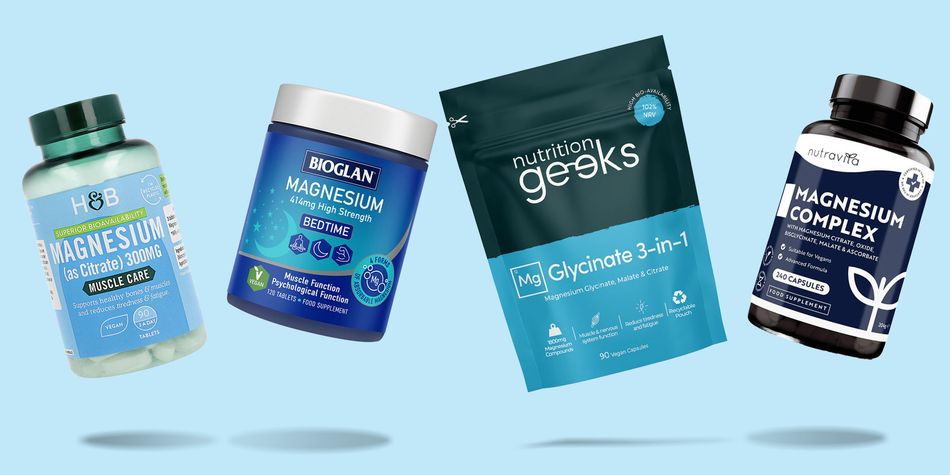
Best magnesium supplements - we've reviewed supplements from brands including Boots, Holland & Barrett, Nutrition Geeks and Vitabiotics to uncover the best


Vitamin drinks

Flavoured waters with added vitamins tend to be low-calorie drinks, often containing vitamins C and D. 

However, they're not the most efficient way to get your nutrients - you'd need to drink 500ml of the mango and passionfruit 'Get More' vitamin D to get your daily dose of vitamin D at £1 a serving. You could get the same from a vitamin D supplement costing as little as 3p.

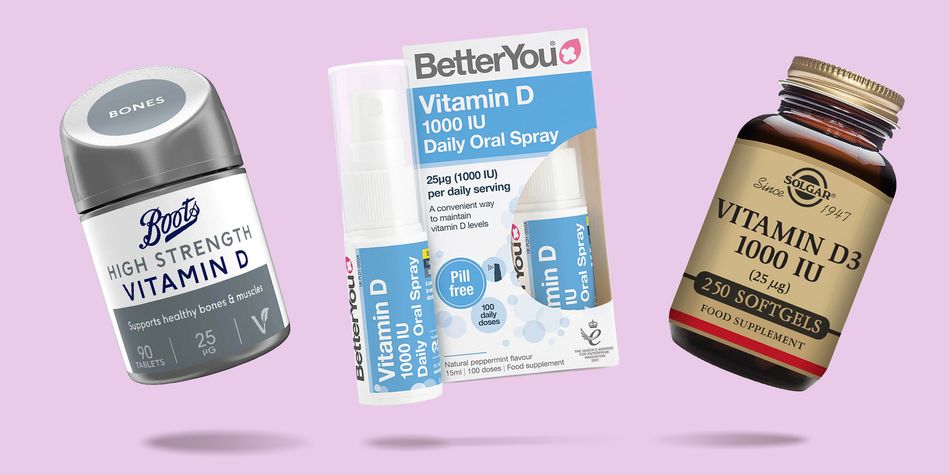
Read more about the Best vitamin D supplements, including how much they cost per day.

VITHIT orange, mango and passionfruit vitamin drink contains vitamin C - 500ml will give you all the vitamin C you need for the day as well as 100% of the B vitamins (B1, B3, B5, B6, B7, B12 and folate), but it'll cost you around £1.80 (Ocado).

Vitamin C is widely found in foods such as citrus fruits, green leafy veg, meat and fish, and B vitamins are abundant in foods including meat, eggs and fortified breakfast cereal, so it's not necessary to buy these drinks.


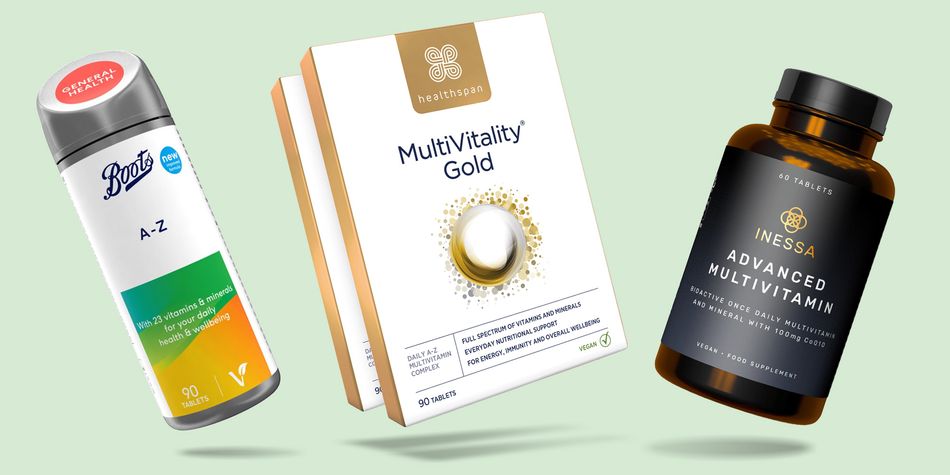
Best multivitamin supplements: find out which multivitamin supplements you should buy


Smoothies 

Smoothies are a staple of the health drinks market, and they can be a good way to increase your nutrient intake thanks to the blend of different fruits, veg and extras such as yoghurt or oats.

However, they count only towards one portion of your five-a-day, regardless of how much you drink. This is because, while the smoothie will contain the vitamins and minerals from the fruit and veg, the blending process breaks down much of the fibre.

Smoothies can also be high in sugar because of the amount of fruit they contain. Once blended or juiced, this sugar counts as free sugars, which are damaging to teeth and should be limited.

If you're making your own smoothie, try to use mostly vegetables with one or two fruits to reduce the sugar content.


From Keto to Slimming World, we tell you if popular diets really work


Juice shots

Small bottles (60-100ml) of juice, priced around £2 each, are becoming increasingly popular. 

A small bottle of a ginger shot

They usually contain ingredients such as ginger and turmeric and are sold as a ‘boost’ or ‘lift’ to your day. While much is made of the anti-inflammatory or antioxidant properties of these ingredients, the benefits aren’t proven. 

These drinks don’t offer anything you wouldn’t get from eating the foods and spices contained in them - you’d also get more fibre from eating the whole fruit and vegetable as opposed to them being juiced. 

Some also have vitamins added, but again, this is an expensive way to boost your nutrient intake.


The health products you don't need to waste your money on


Live well and stay healthy

free newsletter

Sign up for our Healthy Living newsletter, it's free.

Our Healthy Living newsletter delivers free health and wellbeing-related content, along with other information about Which? Group products and services. We won't keep sending you the newsletter if you don't want it – unsubscribe whenever you want. Your data will be processed in accordance with our privacy notice.

Which? verdict on health drinks

Shefalee Loth says: 'If you're on medication, you should avoid charcoal lattes and other foods and drinks containing charcoal. 

If you like any of these other drinks and juices, there's no harm in continuing to drink them. Despite being pricey, they are very unlikely to offer any benefits above what you would get from a healthy, varied diet. 

It's also worth keeping an eye on sugar levels, and if you are going to drink them, do so with meals to protect your teeth.'

Products and prices checked February 2026