How to wash your car without a hose or pressure washer

A hosepipe or pressure washer aren't essential for a spotless car.
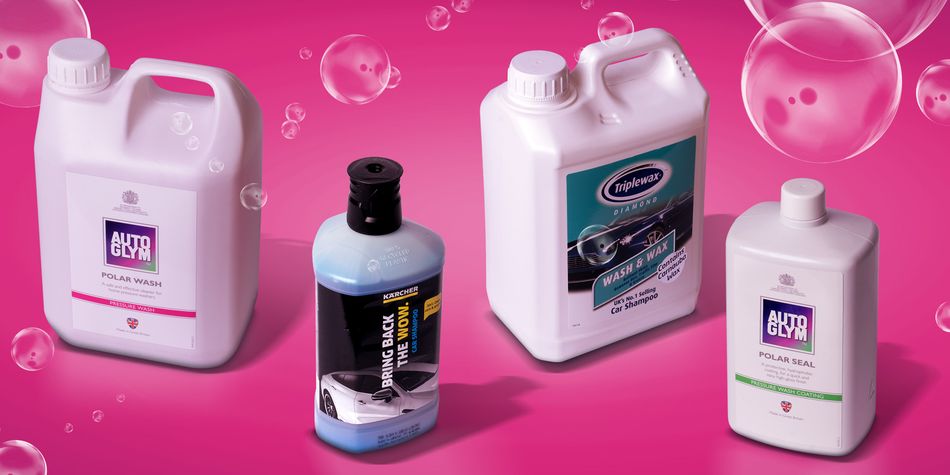
That's one of the things we discovered when we recently tested car shampoos and waxes from popular brands to see which are best at shifting dirt.
After spending days shampooing and waxing, we also learnt a few other things you won't find on the bottles – and what mistakes to avoid.
Whether or not your area has a hosepipe ban, here are 9 things to remember next time you're washing your car.
1. The difference between car shampoo and car wax

Car shampoo is a bit like the shampoo you use on your hair. Its main job is to clean, lifting away the dirt and grime that has built up on your car.
After shampooing your hair, you might use conditioner to leave it feeling smoother. Car wax plays a similar role. It adds shine and a protective layer that can help shield the paintwork from rain, dirt and everything else the British weather decides to throw at it.
So if you want the full treatment, use both.
Out of car shampoo? We pitted shampoos and waxes against all-in-one products to find the best car wash kit.
2. You don’t need a pressure washer

Some car shampoos and waxes are designed to be used with a pressure washer. Admittedly, blasting dirt off a car is more satisfying than going at it with a sponge, but don’t assume that using a pressure washer automatically means you’ll get better results. What matters is how well the product actually cleans your car.
If you don't have a pressure washer, or are currently unable to use yours due to a hosepipe ban, you'll be pleased to know that two out of three of our car wash Best Buys only require a bucket and mitt.
3. Don't wash in circles

The Karate Kid's Mr Miyagi famously instructed his protégé to wax his collection of vintage cars with a circular ‘wax on, wax off’ motion. It might be good for martial arts training, but it isn't necessarily the best technique when cleaning your car.
It's very tempting to scrub in a circular motion when tackling a stubborn patch of dirt, but it's better to clean the bodywork using straight, gentle passes. Circular motions can cause dirt and grit caught between your wash mitt and the car to leave fine marks on the paintwork.
It's also important to rinse your car before you begin. If your area has a hosepipe ban, you'll need to throw a fair few buckets of water over your car, but it's well worth the effort: this will remove loose dirt and make your job much easier. Running a damp sponge along dry, dirty bodywork will almost certainly cause abrasions to your paint.
4. Use two buckets of water

Rather than simply rinsing your dirty sponge in the bucket of soap suds, which will leave grit suspended in the solution, have a second bucket filled with cold water to clean it out. This will vastly reduce the chance of there being dirt left clinging to your sponge when you re-apply it your paintwork.
A large sponge is perfectly adequate for cleaning a car, but for the best results use a wash mitt. Usually made from microfibre or lamb's wool, they're much less likely to leave surface scratches, as the deep fluffy fabric absorbs dirt and grit away from the surface more effectively than a sponge.
Start with the roof and upper sections before gradually working down towards the dirtier lower panels. As well as leaving the grimiest areas until last, it stops dirty water from running down areas you've already cleaned.
5. Don't leave the car wet
Once you’ve rinsed away the shampoo, it can be tempting to leave the sun to handle the drying. But letting water dry naturally on the bodywork can leave behind water spots and streaks, undoing some of the hard work you’ve just put in.
Dry the car with a clean microfibre drying towel or other suitable cloth. It’s an extra job, but it should leave you with a much cleaner-looking finish.
For the same reason, it's best to avoid washing your car in bright, direct sunlight. The water on your car's bodywork will evaporate much more quickly than you can dry it when the metal is hot, which will leave ugly water marks. If it's particularly warm, the soap could also dry out before you've rinsed it, which will make it much harder to clean off.
6. More shampoo doesn’t mean a cleaner car

When you’re faced with a particularly filthy car, adding an extra glug of shampoo to the bucket can seem like the obvious solution.
But more product doesn’t necessarily mean more cleaning power. Car shampoos are designed to be diluted at specific ratios, and using far more than the manufacturer recommends can simply make the shampoo harder to rinse off.
That can mean more work for you – and more residue left behind on the car.
Follow the instructions on the bottle rather than relying on the ‘that looks about right’ method. Your car will thank you for it.
7. Get a dedicated wheel cleaner

Your wheels have to cope with brake dust, road grime and everything else thrown at them, so it's hardly surprising that they get filthy.
A dedicated wheel cleaner will help with stubborn grime, but check that it's suitable for the type of wheels on your car before using it. It's also worth keeping a separate sponge, cloth or brush for wheels rather than using the same one for the bodywork.
We've also tested wheel cleaners and found a standout product that completely removed all the dirt, while the lowest-scoring product struggled to shift any grime.
See our guide to the best car shampoos, waxes and wheel cleaners.
8. Don't mistake price for quality
You might expect that spending more on car shampoo will give you better results. But our tests found that price isn’t always a good indication of performance.
We found one standout product that was considerably cheaper than some others we tested, proving you don’t need to splash out to get the best results.
Nor do you need to buy two or three products. Some all-in-one shampoo and wax products performed just as well as dedicated shampoos and waxes in our shampoo and wax tests.
9. Car shampoo won’t get rid of scratches

If you’re hoping a thorough wash will make scratches disappear along with the dirt, you’re going to be disappointed.
Once all that muck has disappeared, you might actually find that some scratches are easier to spot.
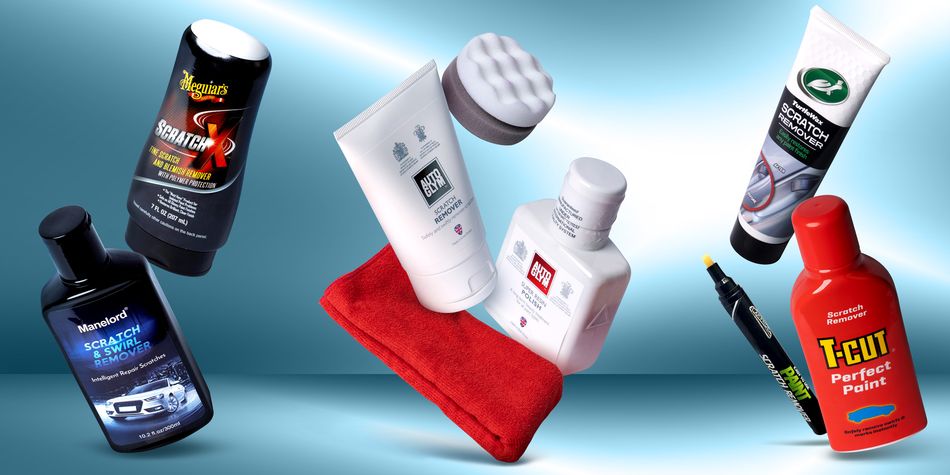
For light scratches, you’ll need a dedicated car scratch remover or polishing product. But there’s a limit to what these can achieve. If the scratch is deep enough that it has gone through the paint, washing and polishing aren’t going to make it magically disappear.
We tested car scratch removers to find out which are best at buffing away minor scratches.