5 scam calls and texts to watch out for

Tali writes about scams and consumer rights for Which? delving into fraud, technology and consumer rights topics to keep readers safe and empowered.

It's much more likely that you'll respond to a text message from a familiar number, but a healthy dose of scepticism will always serve you well when trying to avoid scams.
Fraudsters can use software to change the number displayed on your phone when they call you, known as spoofing. Using trusted numbers – such as those of your bank – or local numbers makes their call appear genuine.
Number spoofing can be a useful tool for scammers, and that's why various efforts have been made to try to stop it. At the end of last year, the government, alongside some of the biggest mobile networks, announced that call tracing technology will block foreign call centres from spoofing UK numbers within the next year. Artificial intelligence (AI) will also be used to help identify and block suspicious calls and texts.
Sadly, fraudsters are masters at finding loopholes or exploiting weaknesses.
Read on to discover the latest number spoofing scams and how to spot and report them.
Sign up for scam alerts
Our emails will alert you to scams doing the rounds, and provide practical advice to keep you one step ahead of fraudsters.
Sign up for scam alerts
1. Car finance and insurance scam calls
As drivers who were mis-sold car finance are now due compensation, rogue car finance claims firms are popping up, claiming that they can help you get your money back. We have previously warned that some firms aren’t upfront about their fees.
Reports on Who Called Me describe receiving calls from a most likely spoofed Cardiff-based landline number about mis-sold car insurance claims, with some reporting that they’ve been called daily.
One person reported that they had been called about mis-sold car insurance despite having never made a claim, and another was sent a text with a link to follow to submit their personal details during the call.
2. DPD impersonation text

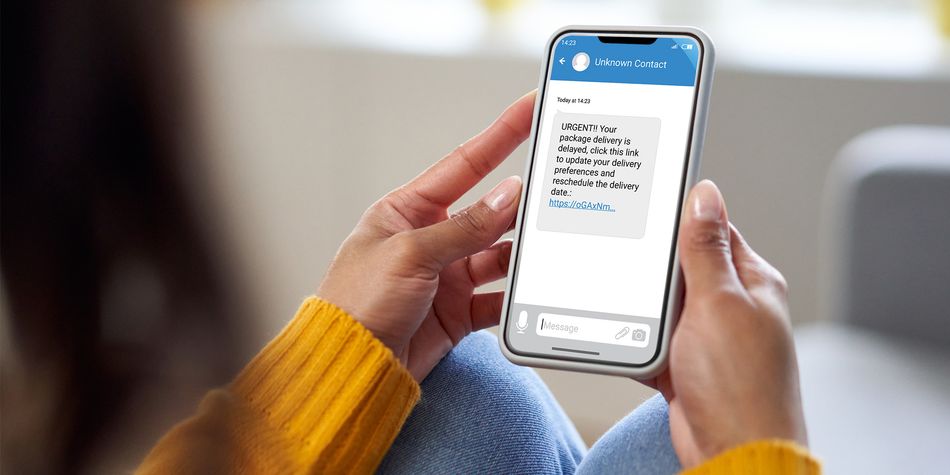
A series of text messages that appear to be sent from spoofed UK and US-based mobile numbers tells you that an item couldn’t be delivered to your home.
The messages go on to say that the item has been returned to the depot and you need to follow a link within 24 hours to reschedule the delivery.
This link will lead to a fake copycat DPD website and will steal your information as you enter it.
3. Loft insulation scam
Several calls from a spoofed Hungerford-based landline number attempt to peddle loft insulation to recipients.
Reports on Who Called Me detail being asked if they had fibreglass insulation installed under a government scheme, and then being told that fibreglass insulation causes damp and condensation.
One person said they were told there was damp in their loft, and others claim they were also called by an 'energy adviser' using this number.
4. Tesco Mobile scam calls
Calls from a spoofed Manchester landline and UK-based mobile numbers claim to be from Tesco Mobile.
One person reported that the caller said there had been ‘systematic errors’ on their Tesco account and that their Sim was about to be blocked. Another reported that the caller said their account would be charged twice.
On Who Called Me, someone has reported that this is their number being spoofed, and it’s not them calling.
5. Google ‘new login' text

A scam text message impersonating Google is sent from a spoofed UK-based mobile number and says there has been a login attempt to your account from Chicago.
It gives you a UK-based number to call to ‘secure your account’, which will probably put you through to a scammer. The aim will be to get you to reveal your personal data.
Four ways to avoid number-spoofing scams
- Double-check out-of-the-blue calls and texts. Instead of responding to any requests for information or payment details, log in to your account and verify the information that way.
- Don’t give away financial or sensitive information over the phone or via a link followed from a text message.
- Use a website to search for a number, such as Who Called Me, to try to verify it.
- Consider installing a call blocker for nuisance calls.
Reporting number-spoofing scams
You can report scam texts by forwarding them to 7726.
If you receive a suspicious call on an iPhone, you can report it to your provider by texting the word ‘call’ followed by the phone number to 7726.
If you have an Android phone, text the word ‘call’ to 7726. You’ll then receive a message asking you for the scam number.
For scam calls received on WhatsApp, open the WhatsApp chat with the dodgy phone number and tap 'block.' You can report the contact by tapping 'report contact' and 'block'.
If you've lost money or spotted an unauthorised transaction on your account, contact your bank immediately using the phone number on the back of your card.
Scams should also be reported to Report Fraud, or by calling the police on 101 if you live in Scotland. You can also forward scam emails to report@phishing.gov.uk.