Help nature flourish
Use our product test and plant trial results to get bloomin’ great results. Join for a year for only £49 and get a £10 B&Q gift card.
Join Which? GardeningOffer ends 15 September 2026

Drawing on nearly half a decade at Which?, Natalie helps readers cut through the noise with practical guidance on trending products, pest control, cleaning advice and money-saving tips during the sales.

It’s certainly been a warm summer so far in many areas of the country.
With the first hosepipe bans already in force and more possible if the dry weather continues, even experienced gardeners may be wondering which plants to spend their precious water on.
Whether you're trying to protect your favourite flowers, keep your vegetable patch productive or simply avoid wasting water, prioritising the right plants is the key to getting through a hot spell. We tell you where to water during a heatwave and where to avoid.
How to use grey water in your garden: save water while keeping your plants happy during hot weather

Don't water established lawns during dry spells.
Although grass can quickly turn yellow or brown in prolonged hot weather, this doesn't usually mean it's dead. Most lawns simply become dormant to conserve moisture and will green up again once cooler, wetter weather returns.
Trying to keep a lawn lush throughout a heatwave uses a significant amount of water for very little long-term benefit. Instead, allow the grass to rest naturally and focus your efforts on plants that genuinely depend on watering to survive.
However, newly laid turf is an exception.
Fresh turf won't have yet developed a strong root system and will dry out quickly, so it needs regular watering while it establishes. Even during a hosepipe ban, you can water newly laid turf with a hosepipe for up to 28 days after it's been laid.
When the grass greens up again, see the best lawn treatments from our tests.

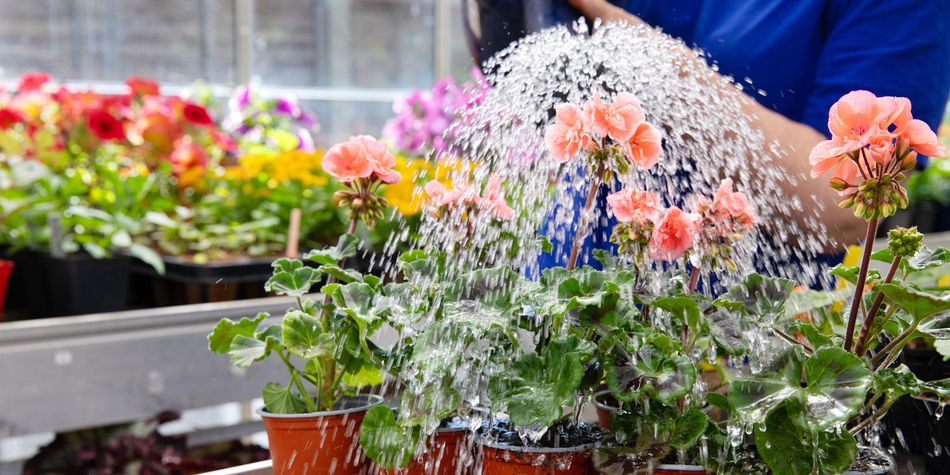
Container-grown plants rely entirely on you for water because their roots can't search deeper into the soil for moisture.
During hot weather, they'll usually need watering every day, and in very high temperatures they may even need watering morning and evening. Watering early in the morning or later in the evening helps reduce evaporation so more moisture reaches the roots.
Push your finger a few centimetres into the compost. If it feels dry below the surface, give the container a thorough soak until water begins to drain from the bottom.
How to buy the best greenhouse: compare types and prices to find the best greenhouse for you

Newly-planted flowers, vegetables, trees and other plants should be your top priority during hot weather. Because their roots haven't developed yet, they're far more vulnerable to drying out than established plants.
Apply water directly onto or very close to the base of each plant so it soaks into the root ball rather than running away across dry ground. Watering deeply but less often encourages roots to grow further into the soil, helping plants become more drought tolerant in the future.
New shrubs, trees and herbaceous perennials will often need regular watering throughout their first summer season. Newly-planted vegetables generally only need extra watering during their first couple of weeks, after which their roots should be better-established.

Hold off watering these vegetables until you see flowers, which is the stage when watering has the greatest effect on your eventual harvest.
Watering from that point increases flowering and enables pods or fruits to grow strongly.
See our advice on how to grow tomatoes and the best tomato feed to ensure a great harvest.

Although many vegetables will survive a dry spell, leafy crops need much more consistent watering if you want a good harvest.
Lettuce, spinach, chard, kale and similar vegetables are mostly made up of water, so they can quickly become tough, bitter or bolt in prolonged heat. Keeping the soil evenly moist helps leaves stay tender and encourages steady growth.
Lettuce, spinach, leeks and kale generally require more water than most other vegetables, while celery is particularly thirsty and may need around twice as much water as surrounding crops. During hot weather, watering two or three times a week with a thorough soak is a good idea.
Our gardening experts tell you how to grow lettuce month-by-month.

Root vegetables need less water than leafy crops. Beetroot and carrots cope well with relatively dry conditions and can even develop a sweeter flavour as a result.
However, if the soil becomes extremely dry for long periods, overall yields are often reduced.
Water sparingly but deeply if prolonged dry weather continues. Onions are particularly likely to benefit from watering during June when bulbs are swelling, while celeriac can also benefit from additional moisture towards the end of a dry summer.
Don't miss our advice on how to grow carrots and how to grow onions.

Garden ponds shouldn't be overlooked during a heatwave, especially if they contain fish or other aquatic wildlife.
High temperatures increase evaporation, causing water levels to fall. Shallow water also warms more quickly, which can reduce oxygen levels and place additional stress on pond life.
During a hosepipe ban, you're usually allowed to top up your pond to protect the health and welfare of fish and other aquatic animals. If possible, add water gradually rather than all at once to avoid sudden changes in temperature.
Make your garden a haven for bees, butterflies, hedgehogs and other creatures with the best shrubs for wildlife

During a hosepipe ban, it’s best to water by hand with a watering can. You can browse some popular* models from our reviews below, or see the full results of our testing in our guide to the best watering cans.
Swapping a hose for a watering can is a simple change that saves 800 litres of water an hour, so it makes a real difference.
Alternatively, some drip or trickle irrigation systems can still be used during hosepipe restrictions.
To be permitted, your system must be fitted with a pressure-reducing valve and timer and deliver water drip by drip directly onto or beneath the soil surface. Head to our round-up of the best garden irrigation systems, or compare popular* options from our testing below.
* 'Popular' watering cans and garden irrigation systems are based on click frequency to Which? reviews over a 3 month period (April - July 2026). We can't show every retailers and other prices may be available.
If you have a disability, long-term illness or need extra support because of a life-changing event, it's worth contacting your water company to ask about its Priority Services Register. We've linked to several water companies' registers below so you can check if you're eligible.
The support available varies between suppliers but is designed to help customers who may need additional assistance. Depending on your circumstances, some water companies may also offer exemptions from certain hosepipe restrictions, allowing you to continue using a hose for essential watering.
If you're unsure whether you qualify, contact your supplier directly to find out what support is available and how to register.
Use our product test and plant trial results to get bloomin’ great results. Join for a year for only £49 and get a £10 B&Q gift card.
Join Which? GardeningOffer ends 15 September 2026