Spring Statement and the Middle East crisis: what they mean for your finances

Having worked at the BBC and in commercial radio before joining Which?, James produces our always-on podcasts, and oversaw the launch of our member-exclusive podcasts in 2025.

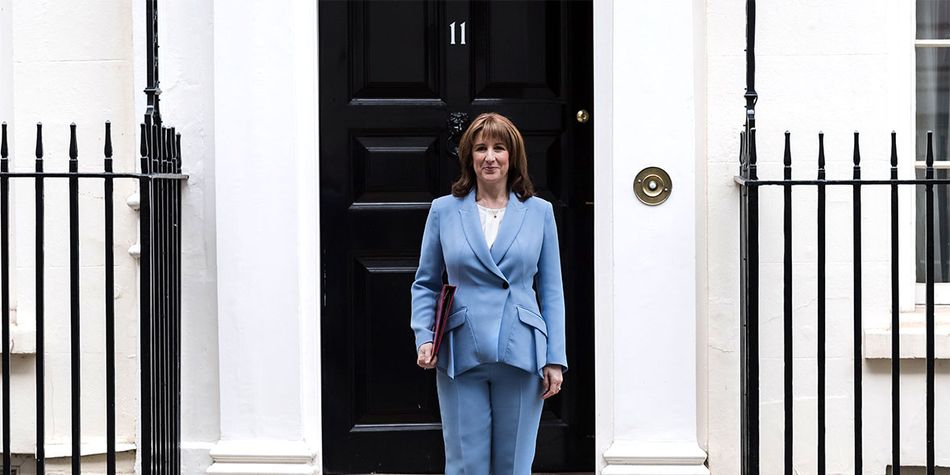
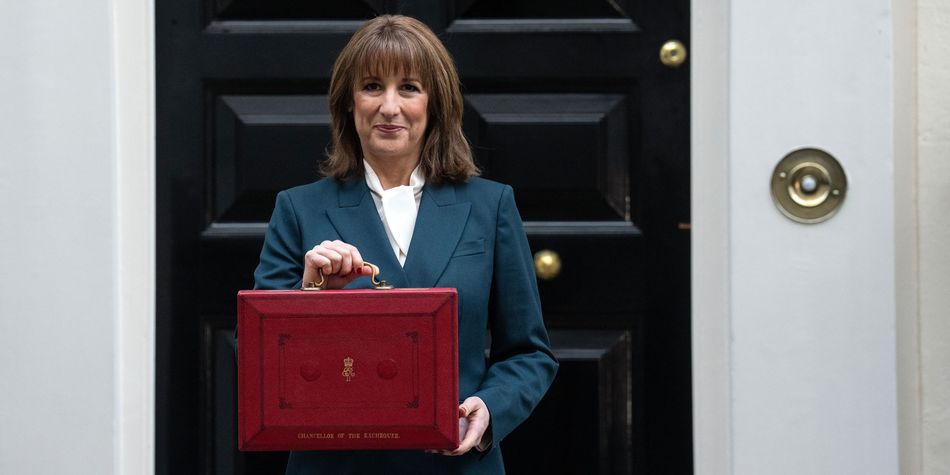
The Chancellor Rachel Reeves delivered her Spring Statement this week – a speech that the government had hoped would be a non-event with no new policy announcements. But has the war in the Middle East introduced uncertainty over the future of this government’s fiscal aspirations?
In this episode of the Which? Money podcast, Which? Money’s Matthew Jenkin joins us to talk through the biggest headlines from the Chancellor’s speech and how the economic forecasts could affect your own day-to-day spending.
Plus, Frances Haque, Santander’s chief economist, analyses whether the government’s spending plans could be scuppered by the knock-on impact of heightened tensions in the Middle East.
James Rowe: The Chancellor Rachel Reeves has delivered her Spring Statement, an event that the government hoped beforehand would be a bit of a non–event with no new policy announcements. But has the war in the Middle East cast doubt and uncertainty over the future of this government's fiscal aspirations? Welcome to Which? Money.
Hello, it's James Rowe at home this week and joining us on the podcast we've got Matthew Jenkin from Which? Money. Matthew, how are you?
Matthew Jenkin: I'm good thanks, how are you?
James Rowe: Very good thanks. Nice to have you back. And for the first time on the podcast, Frances Haque, Chief Economist at Santander. Frances, how are you?
Frances Haque: I'm very well thanks.
James Rowe: Lovely to have you here. Initial reactions to begin with for the statement this week. Matthew, to kick off, was it a bit of a non–event?
Matthew Jenkin: It was very much a non–event. And that's what they promised, and that's what we got. She spoke for a good half an hour. There was a lot of political point scoring, but there wasn't anything new, nothing that we haven't already heard in the autumn budget. It was more of an overview of the state of the economy and projections for the year ahead. I'm sure Frances would agree, it wasn't edge of your seat listening or viewing, I'm afraid.
Frances Haque: No, it was one of those things where you felt you needed to listen to it just in case some rabbit was being pulled out of a hat, but no rabbits, no hats. Not this time.
James Rowe: Frances, I heard you on the BBC's Wake Up to Money program a few days ago before the Spring Statement, and one of the first things you said was that in the office you almost forgot that it was even happening because it was so low–key. But it was exactly what the Chancellor wanted, wasn't it? She didn't want it to be a big news event, did she?
Frances Haque: No, she didn't. And so from that perspective, it's gone exactly as she would have liked it to have gone. I'm sure the Treasury are very happy with that. There's obviously a different background to where she thought she would be a week or so ago.
James Rowe: And despite the government wanting this to be low–key, she was still pretty reasonably passionate. Shall we just have a quick listen to how Rachel Reeves ended her statement?
Rachel Reeves: My plan is the right one. I'm in no doubt about how great the rewards can be if we stay the course. The forecast today confirmed that the choices this government has made are the right ones. Stability in our public finances, interest rates and inflation falling, living standards rising, more children lifted out of poverty, more appointments in our NHS, more investment in our infrastructure, a growing economy and more money in the pockets of working people. Mr Speaker, these are the right choices, this is the right plan, and I commend this statement to the House.
James Rowe: Frances, she was all fired up. She came out punching at the end to defend all of the progress she sees in her plans.
Frances Haque: Yes, and I think that is probably to be expected given everything that's happened in the last few weeks with the by–election and everything else. I think she wanted to come out fighting to say we think we've got the right plan and we're sticking with this. So, in that respect, as we expected. But unfortunately for her, I think somebody did actually mention this, the Conservatives had COVID and all the rest, and she's got conflict going on in Iran. So I felt a little bit sorry for her in that respect because the background should have been very positive and it ended up in a different situation to the one that I think she was hoping for.
James Rowe: It was only just a few days beforehand everything seemed smooth sailing and then the conflict in the Middle East started over the weekend and it just threw everything into a bit of chaos. Shall we talk about inflation? Because I think this is the big one that will have a knock–on effect. First, Matthew, the government in terms of what Rachel Reeves said this week, the government is still hoping to hit that target of 2% this year?
Matthew Jenkin: Yes, so we have got close before, but inflation – just to give a bit of background – inflation's come quite a long way since it was peaking back in October 2022 and it was 11.1% then. So, we're at 3% now, so it's come a long way since then, but the target is actually 2%. And the OBR report's projected that the CPI figure's going to drop to 2.3% in 2026 – so this year – and by the end of the year and 2027 onwards, it's going to go down to 2%, so we're going to reach that target hopefully.
Of course, again as Frances has highlighted, the conflict in the Middle East could change all that if it pushes up oil prices. That's going to have a big knock–on effect to inflation. It's going to push up domestic energy bills and other costs. It just has a huge impact on all sorts of different areas and prices. So, it's a bit of a wait and see at the moment. We don't know, conflicts sometimes flare up like this but then die down a week later. So, we just don't know what's going to happen. I think we have to take a lot of this with a pinch of salt.
James Rowe: And as Matthew says there, the oil and gas price rises that we could potentially see over the coming weeks and months, this could really scupper the Chancellor's plans and aspirations, couldn't it?
Frances Haque: Well, it'll certainly have an impact in the sense that inflation is bound to rise – well, it depends on the length of the conflict, but we would certainly expect some inflation to come through. The problem for the Chancellor is they've done so much to try to reduce the cost of gas and fuel and the energy price cap and all the rest, but this obviously is going to increase it, particularly as gas prices have really shot up.
Whilst it's worth saying the UK do purchase some of their gas from Qatar, but we're a very small player in comparison to say, particularly China and other players in Asia, but obviously it's a global market so the price will reflect the fact that this supply is no longer taking place. So it will affect the UK whatever happens. And that will come through in the energy price cap. And the other thing which we've been talking about is where else will it come through? And food prices are another one because they're big users of gas as well. When you've got fuel prices going up – so that means petrol – and you've got food prices going up, all of which obviously are things that we all buy on a very regular basis and therefore it starts to feed back through to these inflation expectations and things like that. So from the Chancellor's perspective, this is very unwelcome from the point of view of trying to get that inflation down and to make the cost of living – that's what they're really focusing on is trying to reduce the cost of living. So this will not help them in that respect.
James Rowe: Obviously if inflation does start to skyrocket again and this goes on for a prolonged period, we might also see the Bank of England take steps to adjust the base rate. At the moment, they're predicting it's going to come down and that's going to ease pressure on home owners, home buyers, but if inflation starts to go up again, they might want to grapple back control of that by raising the base rate. And that's going to have a knock–on effect on the housing market too and mortgages. So I don't know whether Frances, I'm sure you agree?
Frances Haque: Well, specifically on bank rate, yes, this is an issue. From our perspective, we were expecting to have a couple of cuts this year. Wage growth was starting to fall back and inflation looked like it was going to be – well, certainly would probably reach target in April, might go slightly back up towards the end of the year, but there or thereabouts it's going to be nearer to target. Obviously in this situation, it's going to be further away from 2%. It's going to be harder then for members of the Monetary Policy Committee to then cut. I'm sure they'll try not to hike rates, but that is a possibility if inflation starts to rise back up again. But it's unfortunate because the markets again, yields up and all the rest, so and swap prices again. So it will affect the fiscal position and that headroom number that was talked about in the Spring Statement and along with, yes, it will hit households in terms of increased mortgage rates potentially.
James Rowe: Frances, headroom was one of the big words of the statement. What does that mean in principle? What does the Chancellor mean when she talks about headroom?
Frances Haque: Really it's just the gap that she's got to meet all of her fiscal rules, which is fine. It is not a big number. It increased very slightly; it went up to about just over £23 billion from about £21 billion, but obviously that was taking into account the new forecasts from the OBR. But obviously it looked at tax receipts and what was happening in the gilt market. Now obviously the gilt market is in a very different position to the one that the OBR would have done its forecasts on, so that headroom number is almost certainly different to the number that was mentioned in her speech. Obviously the less headroom you get, the more likelihood that you're going to have to make policy decisions, so whether that's cutting expenditure or raising taxes, that's what might happen. And in that respect then you're looking at the autumn budget for any changes that might have to come on the back of that. But that's some way off, that's for another podcast I think in terms of what they might be looking for there. But in terms of headroom, it was positive. She's increased it slightly. It's just unfortunate, as I said, that the timing of it hasn't helped with the new conflict arising in the Middle East.
James Rowe: And when we talk about the OBR, the Office for Budget Responsibility, this is an independent body that provides these economic forecasts. And they would have put this forecast together before the Middle East crisis at the weekend. Do they bake in any sort of wiggle room into these forecasts that almost preempt any uncertainty like this? Or are these forecasts just going to be so out of date so soon that it's all going to change?
Frances Haque: Well, they don't, I wouldn't say they bake in wiggle room. They do talk about risks to their forecast. And whilst that isn't explicitly in their document, they have mentioned it in conversations that they've had after the Chancellor's speech that obviously this will have an impact on their forecast. But that's economic forecasting for you. You'll have a base case, which is what they've got, and then you'll have a look at scenarios around you. That's what we as a bank would be doing; we'd be having different scenarios depending on different outcomes. So theirs is a base case in that respect and anything that changes will then have to be looked at again come the autumn budget and they will produce a revised set of numbers for that, which presumably will have slightly higher inflation. But going back to this point about the length of the conflict that will matter, because if it's a short sharp shock, Bank of England MPC members will feel more comfortable looking through that shock, but if it's something that's going to go on for a lot longer, then they won't. And all of this will then affect whatever forecast the OBR ultimately come up with along with everyone else, because we forecast the UK economy and we publish our base case and scenarios and things like that for people to have a look at. But it's just the way of the forecaster. You're almost never right because something else just happens to change the outlook.
James Rowe: Let's stick with the forecast for now then because, Matthew, the growth forecast – let me just check my notes again – the growth forecast for 2026 was downgraded, wasn't it, compared to the autumn statement from last year? Do you have the numbers to hand? What was she saying?
Matthew Jenkin: So, it was pretty much mixed news for growth. The OBR revised down the country's growth forecast for this year from 1.4% last autumn at the autumn budget to 1% today. However, she did deliver some good news in that the economy is now predicted to grow by 1.6% next year and 2028 and then slightly less in 2029 and 2030, so in those two years 1.5%. Obviously, what does that actually mean? What does it mean for people's pockets? The Chancellor did give a bit of an explanation. She talks about per capita growth, which is average growth per person, and she said that it would be 5.6% over the course of parliament and to give you something a bit more relatable, she says that would leave people around £1,500 better off. So, yes, that was the good news. I mean, maybe Frances as an economist would have a more in–depth explanation, but those were the top line figures.
Frances Haque: Yes, I mean obviously for most people and businesses it's really the tax implications that come from fiscal drag and things like that. And we do know that real household disposable income is set to fall this year, which obviously is perhaps part of the reason for the lower GDP forecast. I should say that the 1.1% from the OBR is larger than the Bank of England and consensus, so I think the Bank of England is 0.9%, consensus is about 1%, so it's still slightly more positive than perhaps external views.
James Rowe: People might not actually feel like they're £1,500 better off when there's things like fiscal drag and all sorts of tax changes and increases coming up in just next month. So people might not immediately feel better off, but in theory. In theory. I think it's a term, isn't it, fiscal drag that almost strikes fear into a lot of us? Because this is the case of wages might be rising, there might be a case of you think you're going to feel better off but because the tax thresholds aren't moving, they're staying the same, they're frozen until the end of the parliament, I think, aren't they? So a lot of us may be dragged into higher tax thresholds and not feel any of the benefit that the government wants us to feel. Is that right, Frances?
Frances Haque: Yes, that is well put, well summarised. And there are other groups, there's been a lot of talk around student loans and things like that and that's exactly the same problem. Not only have they got to pay back their loan, they've also got the tax implications as well. So quite tough for them too. And of course all those people, there's been a lot of talk around that – I know £100,000 sounds like a lot of money, but the effective tax rate at that point when you reach it is absolutely ridiculous. So that doesn't help either. I think it makes people feel why am I working this hard and having an effective tax rate of almost 50%? It's ridiculous.
James Rowe: Should we chat a little bit about mortgages as well? Matthew, I know this is one of the big headlines you picked out when you were writing for the website this week. Because the OBR has also had its say on mortgage rates for the rest of the parliament. Have you got the numbers, Matthew? What did the OBR say we'd like to see until about 2030?
Matthew Jenkin: Yes, so during her speech, the Chancellor claimed that and I quote, "the interest rate cuts her government has supported will save families over £1,300 a year on a typical new fixed–rate mortgage". But obviously home owners could suffer if the Middle East conflict has a knock–on effect on mortgage rates. And the OBR's report says that the average interest rate on mortgages is expected to rise from 4.1% this year to 4.5% on average each year from 2027 to 2030, so over a three year period. But that outlook could be even gloomier if the Bank of England decides to push the base rate up again in an effort to get inflation back under control. So again, it's a wait and see. That interest rate rise we're talking about could be even more.
James Rowe: Frances, how do you think consumers will feel about mortgage rates rising if they do go to about 4.5%? For people who took out a mortgage during the pandemic when the rates were ultra–low, it almost doesn't seem like good news that interest rates will be up to about 4.5%, does it?
Frances Haque: No, and I suppose it's quite hard because now that we're in a world where you have a lot of fixed rates, so back in 2008 most people were then on variable rates so changes to bank rate interest rate fed straight through to mortgage holders. That doesn't happen now. So yes, you've got this constant moving of people and it depends whether you're on two year fixed, five year fixed, 10 year fixed, of course you can go out slightly further now. So it rather depends on people's timings of what risk ultimately they want to take over that period. So yes, it's going to be quite tough. I mean there are people – I'll take myself as an example – I've already been through two rounds. So I had a big increase in my mortgage rate because I only had a two year at the time. And then I've had it slowly coming down because obviously rates have been coming down. Whereas there are some people who haven't actually left their 1.5% rate that they managed to get right at the beginning of the pandemic. So for them it will be quite significant anyway, whether it's 4.1% or 4.5%, it will be quite significant for them anyway. But obviously for those people who perhaps have fixed for a shorter time thinking that rates should fall back, then for them obviously they're not going to get the benefit that they'd hoped perhaps. So it's quite difficult because I think you have a group of people who are going to be affected no matter what because they're coming off very low rates onto higher rates. But then you've got those people who are on those higher rates now but hoping that things were obviously going to improve for them as they go through the next couple of years.
James Rowe: So, we'll wrap up then. Any other business from the Spring Statement? Any other headlines that we haven't covered off already that you just think it's worth quickly touching on, Frances?
Frances Haque: I mean, it was as expected. All those policy measures that have been announced since the autumn budget, they were obviously included in the OBR analysis. And the other thing that's probably worth noting from an OBR perspective, because this matters for economic growth, was they did keep productivity growth; they've got it at 1% still for the end of the period. I think hoping that AI might be able to help boost our rather poor productivity rate that we've had over the last, well, since 2008 really.
James Rowe: Plenty to keep an eye on and then we're already talking about the next autumn budget which will probably be with us before we know it. Frances, great have you on the podcast. Thanks so much for joining us.
Frances Haque: Thank you very much.
James Rowe: And Matthew, thank you as well.
Matthew Jenkin: Thanks, James.
Be more money savvy
free newsletter
Get a firmer grip on your finances with the expert tips in our Money newsletter – it's free weekly.
This newsletter delivers free money-related content, along with other information about Which? Group products and services. Unsubscribe whenever you want. Your data will be processed in accordance with our privacy notice.
How to listen to podcasts from Which?
We bring you new episodes of Which? Money each Friday, new episodes of Which? Shorts every Wednesday, and keep an eye out for other podcasts throughout the year.
Subscribe using one of the links below or click this link on your mobile to find us in your favourite podcast app.
- Which? Money on Apple Podcasts
- Which? Money on Spotify
- Which? Money on YouTube
- Which? Money on YouTube Music
As part of your subscription, Which? members also get access to exclusive podcasts.
- Listen to member-exclusive podcasts on our website
- Listen on the go by downloading our app on the Google Play Store
- Listen on the go by downloading our app from the App Store
If you're not already a member, podcast listeners can get 50% off the first year of an annual membership.