By clicking a retailer link you consent to third-party cookies that track your onward journey. This enables W? to receive an affiliate commission if you make a purchase, which supports our mission to be the UK's consumer champion.
I've been using the Ziip Halo for more than a year - here's what I think

From scouring Black Friday offers to polishing personalised gift guides, Faith has spent three years at Which? curating shopping and deals advice.

Touted as the latest in at-home skin technology, microcurrent devices such as the Ziip Halo are apparently loved by a host of celebrities and regularly splashed across social media.
These fancy face gadgets generate small electrical currents to zap your skin into submission, with claimed benefits including toning, lifting and plumping skin.
I’ve always had an interest in skincare and have tried all manner of ‘magic solutions’, from face yoga to LED face masks, to help me deal with hormonal spots and signs of ageing.
So, ahead of my wedding last summer, I decided to take the leap and give the Ziip Halo a try.
But having worked at Which? for four years, I’ve learned that very often hype doesn’t equate to performance. Find out what I thought of the Ziip below, along with insights from our lead skincare researcher James Aitchison on whether microcurrent devices are all buzz and no results.
How does the Ziip Halo work?

The Ziip Halo uses a very weak electric current to stimulate facial muscles, skin and tissue. The claimed effect is a more toned and sculpted face, de-puffing through lymphatic drainage and smoother skin via cell growth.
Until recently, the only place to get your face zapped like this was with a dermatologist or professional therapist, but the new wave of at-home microcurrent devices put the tech in your hands.
It follows the same theory as professional machines; however, with a much smaller electric charge. It's cheaper to buy a device than to have regular professional sessions, but the cost can still be high, starting from less than £100 and reaching more than £1,000.
The Ziip Halo is mid-range but still a relatively pricey £380. It's currently the only at-home device which uses two electric currents:
- Microcurrent: said to tone muscles and invigorate tissue (and available on other devices)
- Nanocurrent: only used by Ziip; Ziip claims it encourages collagen production
To use the Ziip, you have to connect it to a phone app via Bluetooth and choose from a range of programmes, including ‘instant lift’, ‘calm’ and ‘jowls’.
There are two metal disc electrodes, through which the electric current passes. In order for the current to pass between the orbs and across the skin, you need to apply a conduction gel to your face.
This is where a pricey product becomes even more expensive. The cheapest gel from Ziip is the ‘electric complex formula’ which costs £30, while the most expensive ‘golden gel’ is a whopping £120 per bottle.
Where can you buy the Ziip Halo?
The Ziip Halo can only be bought directly from Ziip's website (£380). Top-up gels are also available to buy, starting from £30.
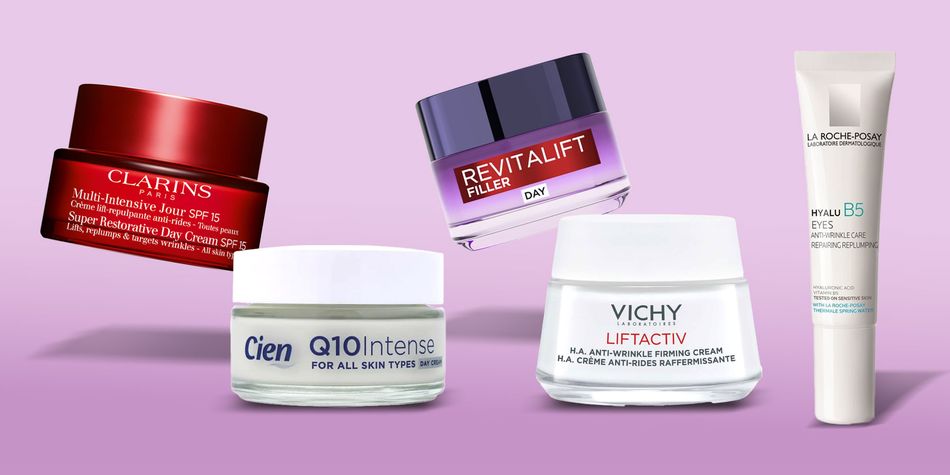
Best anti-ageing face creams - our independent lab test reveals which brands are worth buying. The best showed measurable wrinkle reduction in real testers over 28 days
Why I bought the Zipp Halo and how I found using it
Faith Strickland, Senior consumer editor at Which?

I’ve always been a sucker for skincare hacks, and a few months before my wedding I started researching microcurrent devices in the hope of banishing any blemishes and toning my cheekbones and jawline. I went for the Ziip as it was the only device with both nano and microcurrents.
The small, silver and white gadget fit easily into the palm of my hand and was lightweight and easy to turn on. Once paired with your mobile phone, you can access a range of one-off treatments or longer treatment plans.
I started with the subtly named ‘Best-Looking Skin of Your Life’, which was a 30-day plan of three sessions a week, ranging from targeted eye and lip sessions through to 12-minute ‘everything’ programmes.
To get started, Ziip suggests between four and eight squirts of conductor gel - I’ve found five to be the sweet spot between full face coverage and not being too gelled up. It’s also important to remove any make-up or skincare before starting so that the current doesn't get blocked by any residual oil.
The intensity of each treatment is listed in the app, and a full three bars indicates the most powerful treatment, which can cause slight tingling or some eye twitching depending on where you’re zapping. I barely felt levels one or two, aside from some occasional ‘bite’ if I hadn’t put enough gel on.
My verdict on the Zipp Halo after 12 months of use
Only Which? members can see my full verdict on the Ziip Halo and our skincare expert’s insights on whether the science stacks up. Log in or sign up today to read the full review.
Who shouldn’t use the Zipp?
Ziip warns that the Halo isn't suitable for everyone. You shouldn't use it if you're pregnant, have a pacemaker or other implanted electronic device, are under 18, have cancer, epilepsy or seizures. It should not be used on broken skin.
Always check the warnings on the product. For more advice, see the guidance on the Ziip website.
From body scrubs to great lip balms, see our experts' pick of the best beauty gifts
Other popular microcurrent devices
Ziip isn't the only gadget on the market. Here are some of its popular competitors. Please note that we haven't tested or reviewed these products, and inclusion here does not constitute a recommendation.
NuFace Mini

The NuFace Mini is a smaller version of the larger NuFace microcurrent device; however, unlike the bigger version, this one doesn't include multiple switchable heads.
The Mini comes with a bottle of conductor gel, and you can pair it with the app for specific programmes.
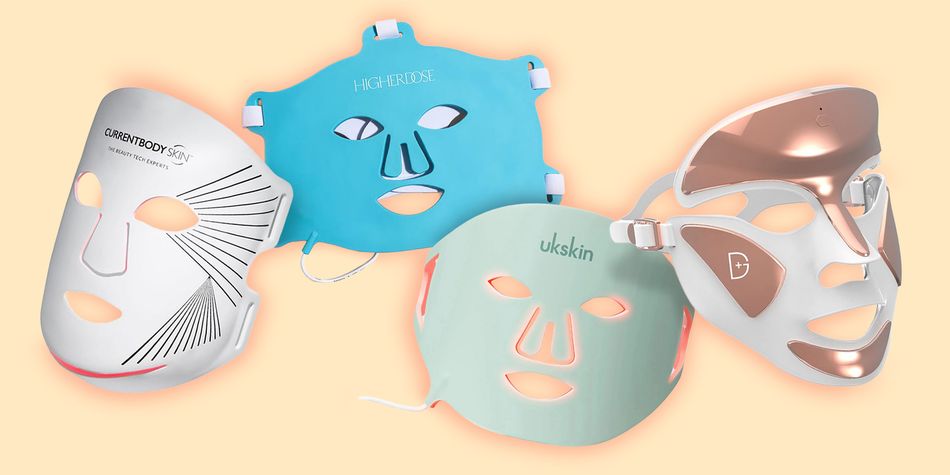
Read more on the best LED face masks
Foreo Bear 2

The Foreo Bear 2 uses up to 680 uA of microcurrent, which it claims will tone the 69 muscles in your face and neck.
Some packages include a free gel. There's also an app, but reviews mention having to pay for a subscription to access further specialised programmes.
TheraFace Pro

The TheraFace Pro combines microcurrent, LED light, facial massage and cleaning in one device.
The base tool has a series of switchable heads depending on what you want to focus on, and comes with a small gel.
StylPro Mini

The StylPro Mini is one of the cheapest microcurrent devices on the market. It also uses fewer microamperes than competitors, starting at 330μA and going up to 380μA.
It has three modes and comes with a conductor gel.
Panasonic 3-in1 facial enhancer

The Panasonic 3-in1 facial enhancer looks like a wand and can be used daily.
As well as conductor gel, the device can be used with other skincare, such as face masks and creams.