James Rowe: Are menopause supplements actually worth your money? Here is what we found out when we analysed them.
Hello, I'm James Rowe and welcome to Which? Shorts, your free weekly insight into Which? Magazine, as well as our Money, Tech, Travel and Gardening titles, too.
Today, I'm bringing you a piece that our Chief Nutritionist Shefalee Loth wrote for the September issue of Which? Magazine all about menopause supplements.
Now, reaching for supplements can seem like a natural thing to do when your body requires extra nutrients, but our research reveals a wide variety in active ingredients and a lack of evidence-backed dosing. Here, Shefalee lifts the lid on our research to help you understand what's actually inside these menopause supplements.
If you like this podcast and want even more, in October, a brand new series of our health podcast launches and culminates in a live episode called "How to Thrive Through Midlife and Menopause". If you want to listen and watch live from the comfort of your own home and ask questions to our panel – including Shefalee, TV presenter and NHS GP Dr Amir Khan, and skincare expert and consultant dermatologist Dr Emma Wedgeworth – then you can sign up right now via the link in the show notes. We'll be live at 6:00 PM on Tuesday the 13th of October.
In the meantime, here's this podcast, as we bring you Shefalee's magazine piece adapted for the podcast this week, read by Shefalee herself.
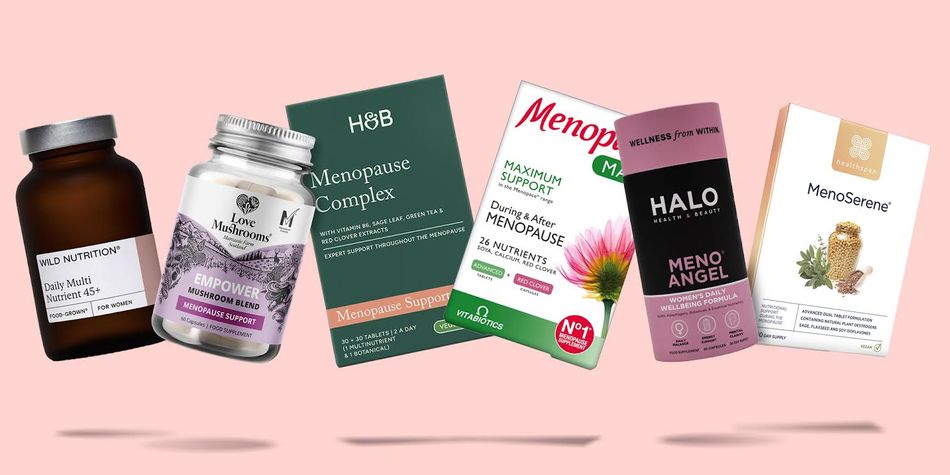
Shefalee Loth: While growing awareness and support for the menopause is welcome, it has also led to a boom in products that promise relief from common symptoms – like brain fog, disturbed sleep and hot flushes. But not all of these stand up to scrutiny, as we found out when we reviewed popular menopause supplements.
We spent many hours researching more than 80 active ingredients included in a range of big-branded supplements, from everyday vitamins and minerals to niche herbal and botanical extracts. For each active ingredient, we assessed the evidence base for its use to support the menopause. We also checked whether the ingredients were included in the dose that research studies have shown to be effective for treating menopause symptoms.
Finally, as with our other reviews of supplements – such as magnesium, vitamin D, iron and more – we also rated each product on the number of additives it contained.
Some nutrients like calcium and vitamin D, and herbal ingredients such as isoflavones and St John's wort, have been shown to be beneficial for relief of menopause symptoms.
But when investigating menopause supplements, we found that beneficial nutrients were frequently not included in meaningful doses, and for many, you'd be better off with a dedicated single-ingredient supplement or a basic multivitamin.
There is huge variation in what's included in different menopause supplements, too. Some contain vitamins and minerals, some have botanical extracts, and others a blend of both. In some instances, you need to take up to three separate tablets a day to reach the recommended intake.
While some formulations were better than others, we found many that had key nutrients missing or doses too low to be effective. Of the 26 popular menopause supplement blends we reviewed, none met the bar we set to qualify as a Which? Best Buy.
While supplements might help some people, don't forget the other options available that can make a difference. Diet is important, and it's especially key that you get enough fibre and protein during this time.
Hormonal changes during the menopause can impact your digestive system and gut microbiome, and keeping your fibre intake up can help to mitigate this. Similarly, as oestrogen levels drop, it's important to eat plenty of protein to support muscles, which can also be affected.
Equally important are regular exercise and sleep.
And finally, if your symptoms are affecting your quality of life, or start earlier than the average age of 45, it's important to see your GP to discuss your options. For many women, hormone replacement therapy, or HRT, can be beneficial. You can take supplements and HRT side by side, as long as you've checked for possible interactions. Take extra care if you have any pre-existing medical conditions or are taking other medications.
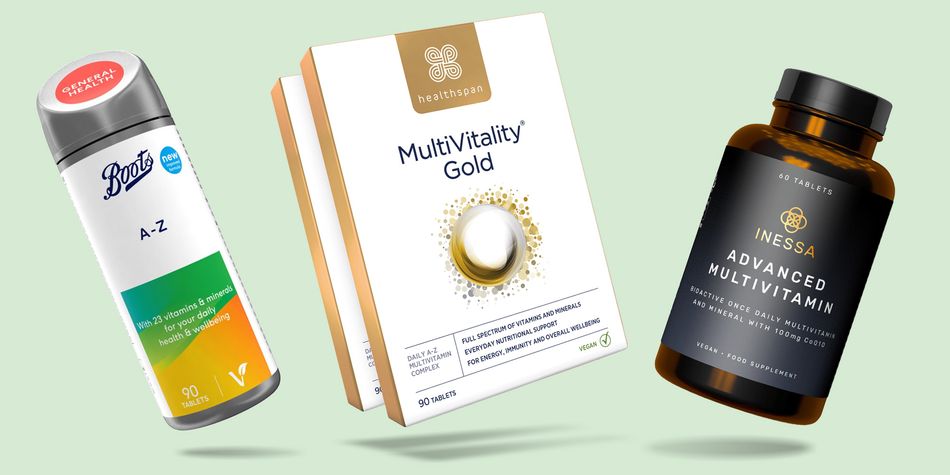
So, is it better to buy a multivitamin instead? Well, in many cases you'll be better off – both nutritionally and financially. We noticed something interesting when reviewing menopause supplements. Many were broadly similar to a basic multivitamin, but they cost several times more. Some lacked the balance of a general multivitamin, missing out nutrients considered essential for the menopause. For example, one of the lowest-scoring menopause supplements we tested cost 59p a day, but contains no calcium or vitamin D, and only 56 mg of magnesium – which equates to just 15% of your daily needs.
The next lowest scorer cost £1.27 a day. It contains 60 mg of calcium – only 5% of a menopausal woman's recommended intake – and 1.5 micrograms of vitamin D, compared to the recommended intake of 10 micrograms.
But even with the higher-scoring supplements, we think you might still be better off combining a budget multivitamin with some dedicated supplements for key nutrients where you need more, such as calcium.
All our supplement reviews are available to read on our website. There's a link to them all in the show notes.
James Rowe: That brings to an end another podcast from Which? There's loads more for you to read about everything we discussed today; just head to the episode description for more useful everyday advice. There, you'll also find an exclusive offer for podcast listeners like you to become a Which? member for 50% off the usual price, giving you access to our product reviews, our app, 1-to-1 personalised buying advice and every issue of Which? Magazine across the year. Plus, your membership helps us to make life simpler, fairer and safer for everyone.
If you'd like to know when we release a new episode, then make sure you press subscribe wherever you're listening. That way, you can be one of the first to listen. And for any questions, comments or anything in between, follow us on social media @WhichUK, or email us podcast@which.co.uk. Goodbye.