Make money make sense
Reach out to our money experts to discover smarter ways to spend, save and manage your money. Our regular guidance will help the penny drop all year, for £49.
Join Which? Money
Megan is a senior researcher and writer at Which?, with a background in data analysis and stats in the public and charity sectors.

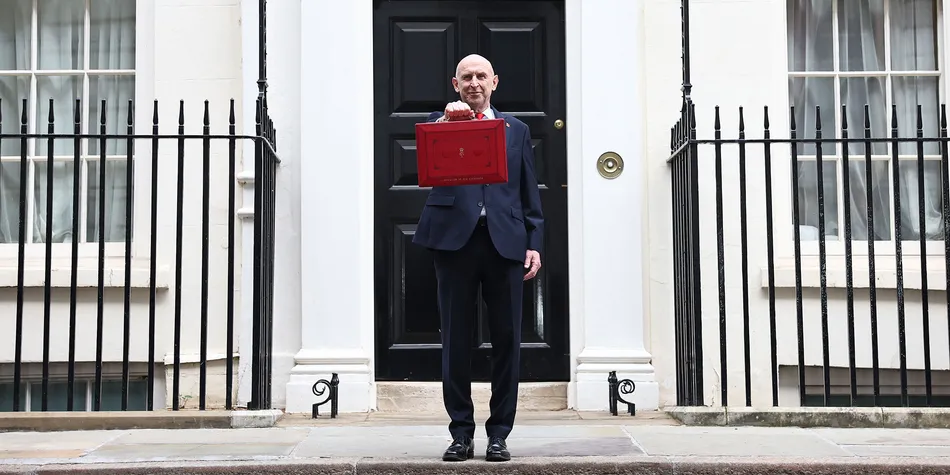
Chancellor John Healey has announced the reversal of the reduction in cash Isa allowance, and with it the cancellation of the proposed 22% tax on cash interest in stocks and shares Isas.
The Chancellor also announced a consultation on a new incentive for people investing in a stocks and shares Isa for the first time.
Here, we explain the reversed stocks and shares Isa decisions and other investment stories from the Autumn Budget.
Reach out to our money experts to discover smarter ways to spend, save and manage your money. Our regular guidance will help the penny drop all year, for £49.
Join Which? MoneyThe Chancellor scrapped plans to alter the cash Isa allowance for under-65s, so the allowance will remain the same at £20,000.
For stocks and shares Isas, this also means the scrapping of 'anti-circumvention rules' planned to prevent people using stocks and shares Isas for cash.
The planned 22% tax on all interest made from uninvested cash in a stocks and shares Isa will no longer go ahead. Any cash held in a stocks and shares Isa will continue to be tax-free.
You can also continue to transfer money between stocks and shares Isas and cash Isas.
Reducing the cash Isa allowance was intended to encourage more savers to invest in stocks and shares Isas.
However, many pushed back against the plans, arguing that this only made the Isa landscape more confusing and would not create more investors.
The different treatment for under-65s and over-65s also created logistical challenges for Isa providers.
The Chancellor announced consultations on a new incentive for people who invest in a stocks and shares Isa for the first time.
No details have been given about what this incentive will look like, but the government will develop plans with input from the investing industry.
If you're considering investing, the announcement of a possible incentive for first-time investors leaves you with a decision: should you invest now or wait for a possible incentive?
Keep in mind that consultations and the introduction of incentives can take many months, if not years – during which time your money, if invested, could grow considerably. The FTSE 100, an index of the largest UK-listed companies, grew 10.5% in the past 12 months, with other markets growing faster still, although of course past performance can't predict the future.
The Chancellor introduced new Founders' Relief for capital gains tax (CGT): a reduced 10% rate on lifetime gains up to £10m for the founders of British businesses.
The new relief will apply from April 2027, but it has not yet been specified how business founders can qualify.
By contrast, the government is reducing the lifetime limit for capital gains eligible for Business Asset Disposal Relief (BADR) from £1m to £500,000 from April 2027.
As increases to the tax rate on savings interest go ahead, investing can provide a tax-efficient alternative for managing your money.
Invest in a stocks and shares Isa, junior Isa, Lifetime Isa or pension, and you won’t have to pay CGT, dividend tax or income tax on any returns. However, if you've made losses on investments held in an Isa, they can't be set against capital gains elsewhere.
If you hold investments outside of an Isa, you can sell an asset in a general investment account and repurchase the same asset straight away in an Isa, junior Isa or self-invested personal pension. You can arrange with your investment platform to take care of this on your behalf.
The current tax year ends on 5 April 2027, and you receive a new £20,000 Isa allowance from 6 April 2027. If you don't use all your allowance in one year, you can't roll it over to the next.