Health? or Hype?
Make the right choice with recommendations you can trust, backed by expert testing.
Explore health recommendations
Kate puts health advice and kit through their paces, from marathon-tested gear to cutting through overhyped supplements

The old cliché may tell us that ‘we are what we eat’, but the reality is a little more complex.
Perhaps it would be better to say ‘we are what we absorb’.
Our digestive systems aren’t simple sponges that just absorb everything that’s put into them. Some foods pair well together, unlocking each other’s potential, while others can actually block each other, inhibiting absorption of certain nutrients.
The chemistry might be complicated, but the solution doesn’t need to be. Making a few small strategic tweaks to your plate can ensure you get the most from your food.
Some nutrients work best when combined with a partner that can maximise how readily absorbed they are by the body (known as bioavailability). These are the key ones you need to know about.

While red meat contains 'heme iron', which is easily absorbed, plant sources such as spinach and lentils contain non-heme iron. This is less readily absorbed because it's inhibited by other compounds such as phytates, polyphenols and calcium, which bind to it in the gut.
The solution: Vitamin C can help – it breaks down iron into a form that can be more easily absorbed.
Try: adding a squeeze of fresh lemon or lime, or some sliced peppers, to a spinach-based salad or a lentil dahl.
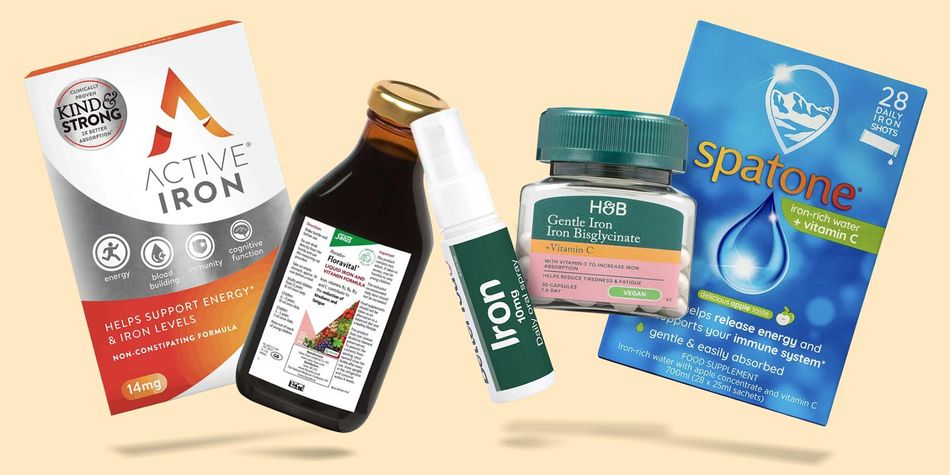
In need of extra iron? See our independent iron supplement reviews.

Turmeric’s active compound, curcumin, may be a potent anti-inflammatory, but our guts find it tricky to absorb.
The solution: Black pepper contains piperine. Research suggests that this can increase curcumin absorption, with one 2017 study suggesting this could be by as much as 2,000%.
Try: adding a twist of black pepper if cooking with turmeric. If you're fond of a trendy turmeric latte, you can do the same here.

Vitamins A, D, E, and K are fat-soluble. This means they are better absorbed by the body with a fat-based ‘carrier’.
The solution: Dietary fat helps to dissolve the vitamins so they can be effectively absorbed by your body. This is why supplements are best taken with a meal, and why meals should generally include sources of healthy fats.
Try: drizzling olive oil over roasted carrots (rich in vitamin A), or adding avocado to a salad with kale (vitamin K).
Best Vitamin D supplements – high street options reviewed by Which? nutrition experts, plus tips on dose, format and more
Some foods can block the absorption of beneficial nutrients.
If you have a healthy, balanced diet, you don't need to worry too much about this. But if you’re low on specific vitamins or minerals, it's worth knowing so you can optimise your intake.

The polyphenols and tannins in your morning brew are excellent antioxidants, but unfortunately, they also inhibit iron absorption.
This particularly impacts non-heme iron from plant-based sources, so if you're vegan or vegetarian, it's important to be aware of.
The problem: Tannins in tea and coffee bind to iron in your digestive tract, making the molecules too large for you to absorb.
The solution: It’s all about the timing. Research suggests that drinking tea or coffee either an hour before or after your meal has little effect on iron. However, drinking it with your meal can reduce absorption significantly.
So, don’t wash your iron-fortified breakfast cereal down with a mug of coffee if you want to get the full benefits.
How to build a balanced vegan diet and avoid nutrient deficiencies – expert tips on the pitfalls to steer clear of

Oxalates are naturally occurring compounds found in leafy green veg such as spinach, beet greens and Swiss chard.
Oxalates act like a magnet for calcium, binding together to form calcium oxalate.
The problem: Once bound, the calcium becomes too large for the body to absorb into the bloodstream, effectively ‘blocking’ the mineral.
Meanwhile, oxalates that aren't bound in this way in the gut can travel to the kidneys and form stones there, particularly if you're already prone to kidney stones.
The solution: It might sound contradictory, but the best approach depends on your specific needs:
If you have any concerns about oxalates and the risk of kidney stones, it's best to discuss them with a health professional, as dietary advice will vary depending on your condition. See NHS guidance on kidney stones.

Phytic acid is a naturally occurring storage form of phosphorus found in the hulls of nuts, seeds and grains.
The problem: Phytates are sometimes called ‘anti-nutrients’ because they can interfere with the absorption of zinc, magnesium and iron. This is particularly relevant for vegetarians and vegans who rely heavily on legumes for these minerals.
The solution: Don't panic. Modern food-processing methods such as soaking beans often strips away phytates. Sprouting or fermenting grains (as with sourdough) also helps to neutralise phytic acid.
Best multivitamins – in need of an all-rounder top-up? See our reviews and advice on multivitamin supplements

Alcohol can act as an antagonist to B vitamins, making it harder for your body to process these essential nutrients.
The problem: Alcohol impairs the absorption of B1 (thiamine), B12 and folic acid by damaging the cells in the digestive tract responsible for their uptake.
The solution: One to bear in mind if you regularly have a glass with meals.
Make the right choice with recommendations you can trust, backed by expert testing.
Explore health recommendationsIt can all sound very complicated, but a varied diet usually compensates for minor ‘blocking’ interactions.
Unless you have a diagnosed deficiency (such as anaemia), you don't need to worry too much about it if you have a generally balanced and varied diet.
If you're taking supplements, it's important to follow the guidance on the pack and bear the interactions above in mind to get the most out of them.
Most multivitamins contain fat-soluble vitamins (A, D, E, K). Taking them with a meal that contains healthy fats is therefore going to be more effective than taking them on an empty stomach.
If you're taking several supplements, check for any possible interactions to avoid wasting money or unwanted side effects.
Cooking is a double-edged sword when it comes to optimising your nutrients.
Heat makes lycopene (in tomatoes) easier to absorb, but it can destroy vitamin C (for example in boiled veg).
Keep it simple by aiming for a mix of raw and cooked vegetables throughout the week.
Surprising foods that can interact with your medication – from grapefruit to some herbal teas, what to watch out for