By clicking a retailer link you consent to third-party cookies that track your onward journey. This enables W? to receive an affiliate commission if you make a purchase, which supports our mission to be the UK's consumer champion.
The truth about SPF lip balms and beauty products, according to a dermatologist

Manca has been testing baby products, health gadgets and gardening power tools for almost four years, weeding out the weak and recommending the strong

Plenty of beauty products on the market include some form of sun protection or an SPF claim, but are they enough protection?
It also begs the question: Are we using adequate amounts of these types of skincare with SPF benefits? Reapplying often enough? Or should we combine them with sunscreen?
Neal Rimmer, Which? scientist, advises: 'There are strict regulations defining what qualifies as a sunscreen. Products such as moisturisers, lip balms and hand creams with SPF aren't classified as sunscreens; they're cosmetic products that include sun protection. In the industry, these are increasingly referred to as “secondary sun protection” products, reflecting that their primary function is not sun protection, but skincare.'
He adds: 'As a rule of thumb, products that provide detailed guidance on reapplication and limiting sun exposure are more likely to be sunscreens. Look for the UVA-in-a-circle logo, a standardised European mark confirming that the product provides an approved level of UVA protection. Sunscreens are also required to display an SPF protection category – Low, Medium, High or Very High – helping consumers understand the level of UVB protection the product offers.'
To help you protect your face and body, we spoke to Dr Angela Tewari, Consultant Dermatologist and British Skin Foundation spokesperson.
Read her expert advice and her answers to commonly asked questions about SPF lip balms, best moisturisers with SPF and SPF hand creams, including how they compare to sunscreen and how much product you actually need to adequately protect your skin from sun damage.

Dr Angela Tewari is a leading consultant dermatologist, based in London.
She has been treating patients for inflammatory dermatology (acne, rosacea, eczema), skin cancer, benign mole work and skin rejuvenation procedures. She works at her clinic, Dermatology Studios, in London, and is also a spokesperson for the British Skin Foundation.
Lip products with SPF

The beauty aisles offer an endless array of ways to shield your pout: protective lip tints, SPF lip oils, balms, and flavoured options now all have added sun protection.
Common claims include high-level protection against UVA/UVB rays, lasting moisture, deep hydration and soothing benefits for dry or chapped lips. But do they work?
Are SPF lip balms worth it?
Dr Tewari says: 'Yes. Any form of barrier protection (lanolin, glycerol, beeswax) is really helpful for lip skin barrier protection, as the stratum corneum (the top layer) is thinner. Thus, there is more water loss from the skin, and the lips can quickly feel dry and cracked.
'Add in an SPF (UVB and UVA cover), and you get that protection from the UV rays. The answer is that an SPF lip balm is so worth it. Now we have filters that can be added to give an SPF50.'
How much lip balm with SPF do you need for adequate protection? How often should you reapply?
- Initial application Choose the highest possible SPF and apply a generous, visible, even coat over the entire upper and lower lip, including the vermilion border – the line where the lip meets the surrounding skin.
- Reapplication Reapply lip balm with SPF every two hours when you’re outdoors, and sooner after eating, drinking, kissing, swimming, or anything else that rubs it off. A good rule is to treat it like sunscreen: apply before sun exposure, then top up whenever the protection is likely to have been removed.
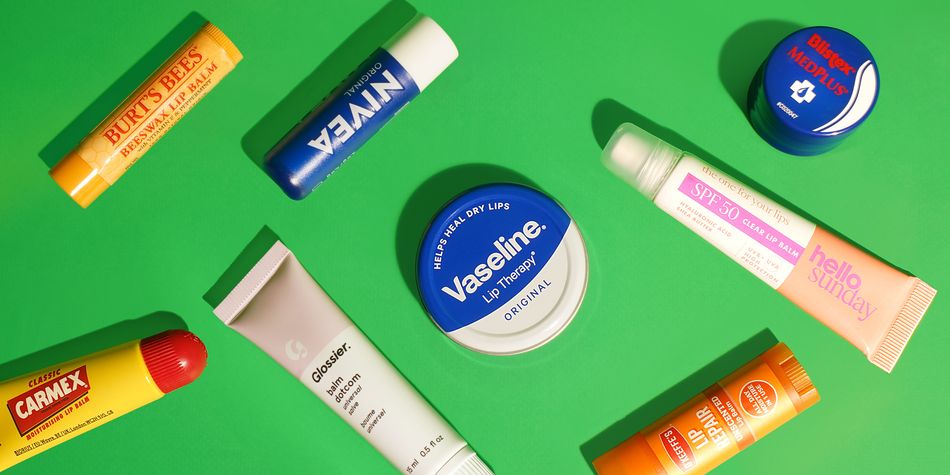
If you're looking for a new lip balm this summer, see our reviews on the best lip balms, according to our panel
Hand creams with SPF

Your hands may not be the first area of your body you look to protect on a sunny day, but the skin on your hands is actually exposed to the sun more than almost any other part of your body, making them one of the first places to show premature ageing and sunspots.
Common claims include protecting your hands from UVA and UVB rays, while helping to soothe dry skin and reduce visible signs of ageing.
What is the difference between hand cream with SPF and sunscreen?
Dr Tewari says: 'A hand cream with SPF is a moisturising hand product that also contains UV filters. Sunscreen is usually designed to form a uniform, durable UV-protective film on the skin and is more likely to include water-resistance claims.
'The SPF number still depends on the same principle: enough product must be applied. SPF testing is based on 2mg/cm² of product on the skin.'
Neal Rimmer cautions that the 'amount used in laboratory testing is typically much higher than the amount most consumers would apply in real life'.
Hand creams may also include ingredients that help strengthen nails, such as panthenol or cuticle oils, if your nails are brittle or your cuticles are dry. Moisturising ingredients such as glycerin, hyaluronic acid, ceramides, shea butter and aloe vera can help very dry or cracked hand skin. In some cases, you may need two products rather than a one-size-fits-all option. On sunny days with a high UV index, top up with a separate SPF30 or SPF50 sunscreen if your hand cream doesn't include one.
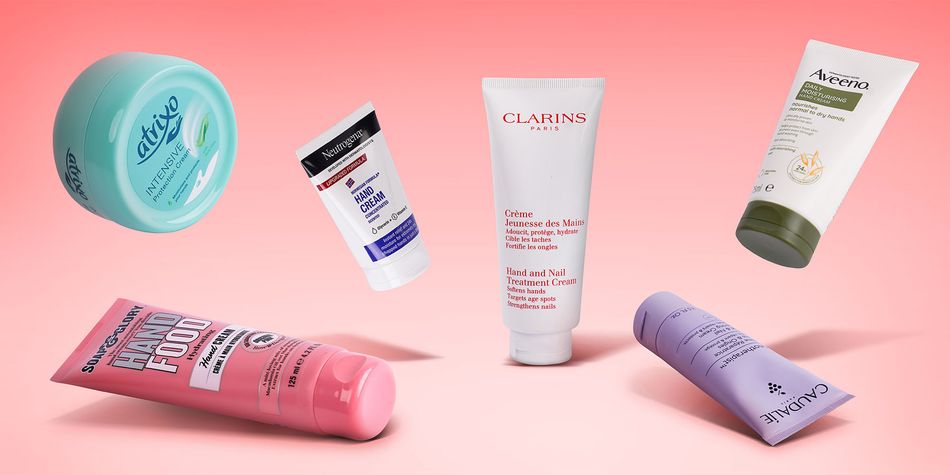
Dry and uncomfortable hands? See our hand cream reviews to find one that moisturises well without leaving any residue.
How much hand cream with SPF do you need for adequate protection? How often should you reapply?
- Initial application Use enough to leave an even film over the backs of both hands. As a practical guide, use about a quarter of a teaspoon in total for the backs of both hands, although the exact amount depends on hand size. Opt for the highest SPF available, but even lower SPF protection is better than none.
- Reapplication Reapply when outdoors, and sooner after handwashing, sanitising, towel-drying, sweating or rubbing the hands. Hands are a high-friction, frequently washed area, so protection wears off easily.
Moisturisers with SPF

From hybrid products that are somewhere between moisturisers and sun creams, or moisturisers and foundation, to plenty of products with added sun protection that claim to be useful for more than one thing. Tinted moisturisers with SPF are a popular option, as they're a lighter alternative to foundation; in theory, you might use a little more.
Does SPF moisturiser count as sunscreen?
Dr Tweari says: 'Yes, an SPF moisturiser can count as sunscreen if it's labelled with an SPF and ideally broad-spectrum or UVA protection [look for that on the packaging]. The issue is that studies show people often apply moisturiser more thinly and less evenly than they do sunscreen, and tend to miss more of the facial area than those using sunscreen, especially around the eyelids, nose and lips.
'Applying foundation first and a spray sun cream on top is a good option; application order is variable and tailored to each person and their skincare routine. Using sun protection and finding strategies that suit you (wearing a hat, sunglasses, wearing long-sleeved breathable clothing, for example) is much more important than in what order you apply your products.'
'Plus, for the SPF claim in the UK, SPF-labelled moisturisers are tested using sunscreen-style SPF methods in a lab.'
Do I need to put sunscreen over an SPF moisturiser?
Dr Tewari says: 'Certainly with layering products (such as serums and moisturisers) you are also acting to fill the tiny spaces between the superficial skin cells or corneocytes and therefore using a sunscreen or moisturiser with SPF is often enough protection on top.'
How much moisturiser with SPF do you need for adequate protection? How often should you reapply?
- Initial application Go for SPF50. Apply it three times a day: in the morning, around lunchtime and again in the afternoon. As a practical guide, use about a quarter of a teaspoon for the face and a quarter of a teaspoon for the neck, or roughly the two-finger amount (dispense stripes down the pad lengths of two fingers), and apply to the face and neck.
- Reapplication During winter in the UK, it's not always necessary unless the UV index is high. But during the summer, most studies talk about a 'three times a day application'. For prolonged outdoor time, high-UV-index days, beach days, or maybe outdoor sports and working, you can also top up with a spray sunscreen. Try misting the face indoors and away from windy conditions so you get more SPF coverage that lands on your skin.
Also consider seeking shade and using protective measures such as umbrellas, hats and sunglasses when spending prolonged periods outdoors.
Need full-body protection to prevent sunburn? See our sunscreen reviews to find out which is most effective
Eye creams with SPF

There are significantly fewer SPF eye cream options than for other products with added sun protection. However, you can find dedicated SPF brightening creams or hybrid products, such as SPF sticks, for use on the face, lips, and eyes from various skincare brands.
Do any SPF eye creams work?
Dr Tweari advises: 'Eye creams with SPF can work if they contain properly tested UV filters and are applied generously enough.
'The main advantage is not necessarily that they are stronger than regular sunscreen, but that they may be more tolerable around the eyes. This is related to the product's pH. For people whose eyes sting with regular sunscreen, a dedicated SPF eye product may help them protect the eyelids and under-eye area more consistently.'
What do you need to look for in an eye cream with SPF?
Dr Twearis says: 'Look for SPF 30 or higher, broad-spectrum or UVA protection, and a formula designed to be used around the eyes. Fragrance-free or low-irritant products are preferable if you are sensitive. “Ophthalmologist-tested” or “ocular tolerance tested” can be helpful, although it doesn't guarantee zero stinging.
Mineral filters such as zinc oxide or titanium dioxide may be better tolerated by some people, also the broad band filters mexoryl, tinosorb and triasorb.'
How much eye cream with SPF do you need for adequate protection? How often should you reapply?
- Initial application Go for the highest SPF available, but any protection is better than none. Use enough to create a continuous film over the exposed eye-area skin: under the eyes, the outer corners, the brow bone, the tops of the cheekbones, and the upper eyelid, if the product is labelled suitable there and you tolerate it. A practical guide is a pea-sized amount per eye area, adjusted depending on the product and your face size. Because the eye area is difficult to cover perfectly, sunglasses and a brimmed hat are especially useful.
- Reapplication Do this three times a day – in the morning, just before lunch and just after lunch. Sprays with SPF can be helpful for reapplication, but be mindful not to inhale them, so hold your breath while applying them. Don't use it outside in windy conditions to ensure enough product ends up on your skin rather than in the air.
The bottom line
Dr Tweari says: 'Cosmetics containing SPF shouldn't be relied on as a replacement for dedicated sunscreen, particularly during summer or when spending extended periods outdoors. They can, however, complement your sun protection routine and may provide sufficient protection when UV levels are low, such as during the autumn and winter.'
Learn more about the skincare products you do and don't need to spend money on in our podcast episode