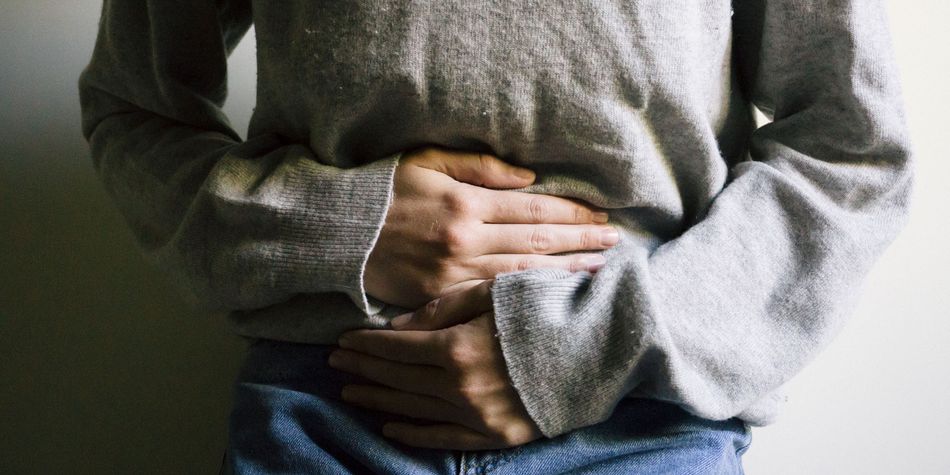
How to improve your gut health
James Rowe: A healthy gut can support your overall health. So, how can you improve yours?
Hello, I’m James Row and welcome to Which? Shorts, your free weekly insight into Which? magazine, as well as our money, tech, travel, and gardening titles. Today, I’m bringing you a piece that Martha Roberts wrote for the May issue of Which? magazine, all about improving your gut health.
There are a number of ways you can do this. Ensuring your diet is healthy and varied is perhaps the easiest, but how easy is that? And what role can probiotic supplements play? Here is Martha’s piece, adapted for the podcast this week, read by Erica McKoy.
Erica McKoy: It’s easy to view the gut as simply a food-processing system – eat, digest, excrete. But in reality, it’s so much more, thanks to the gut microbiome. This is a complex ecosystem of trillions of microorganisms including bacteria, viruses, and fungi. It’s a powerhouse for overall wellbeing, performing vital functions such as maintaining the gut lining, producing vitamins, and regulating inflammation.
When the gut becomes unbalanced, these processes can be disrupted, potentially leading to health problems. You might recognise some of the symptoms including bloating or excessive wind, but the effects aren’t limited to the digestive system. Research has linked microbiome imbalance to a range of conditions, including type 2 diabetes, high blood pressure, migraines, anxiety, and depression.
Shefali Loth is our nutritionist here at Which?. She says there’s no blueprint for what a healthy gut looks like because everyone’s collection of microbes is different. Even before environmental factors such as stress, poor diet, or antibiotics can disrupt our microbiome, it’s shaped by factors beyond our control, such as how we were born or fed as a baby. There is good news, though – our microbiome constantly evolves and we can take measures to influence and improve it, regardless of our health history.
Are probiotic supplements the answer to our problems? Well, although research into probiotics – live good bacteria – is still relatively new, there’s evidence that they can help with some health conditions. Consultant gastroenterologist Professor Laurence Lovat told us they help promote short-chain fatty acid production, which may enhance bowel contraction and movement through the gut.
But there isn't a one-size-fits-all approach. Effectiveness depends on there being evidence of a probiotic’s efficacy for a specific condition. Take lactobacillus, for example – it’s been linked to managing IBS and reducing diarrhoea – while bifidobacterium is associated with improving IBS symptoms, aiding digestive health, and may reduce eczema risk in children.
Benefits are usually strain-specific, so check the label for a code at the end of the name. For example, L. acidophilus Cul60. Without this, a strain is considered generic and its impact is less certain.
Last year, we investigated the probiotics market and found differences in the level of evidence supporting different strains and formulations. There’s a vast array of products available to UK consumers, but only four impressed us enough overall to be named Which? Best Buys, as they’re supported by solid evidence. Our research shows that cost is not always a reliable indicator of quality. Some expensive probiotic supplements simply don’t live up to their high price. On the flip side, we identified more modest options that are good all-rounders and well worth considering.
A key conclusion from our testing is that more is not always better. In fact, a specific combination of bacterial strains in a supplement is more important than the total number of strains included. We recorded a podcast with Shefali Loth and dietician Sophie Medlin, who shared their research into probiotic supplements and revealed which ones impressed them the most. There’s a link to listen in the show notes.
So, how can you feed your gut via your diet? Aim for 30 different plants a week. This isn’t as extreme as it sounds, as it can include herbs, spices, and grains. Adding a new plant may even bring a dormant bacterial species back to life. Incorporate fermented foods too – kefir, kombucha, kimchi, and sauerkraut, as well as a live yoghurt, as these often contain probiotics. Restrictive diets can also negatively impact gut diversity, so only follow one if you need to – for example, if you have a dairy allergy or coeliac disease.
Prebiotic foods such as onions, garlic, apples, oats, lentils, and seeds essentially feed probiotics and can be a useful addition to your diet. They help probiotics and gut flora by providing fermentable fibres that feed beneficial bacteria, boosting their growth and activity and supporting a diverse, resilient microbiome. Introduce them gradually, as a large portion may trigger unwanted symptoms such as bloating.
And finally, go easy on ultra-processed foods – or UPFs. These foods are low in fruit, veg, whole grains, and fibre, while others, such as baked beans, are good for your gut microbiome. But try to consume whole foods where possible. I’ve recorded a brand new podcast with Shefali and Sophie about ultra-processed foods to help you understand more about them. That’ll be in your feed tomorrow.