By clicking a retailer link you consent to third-party cookies that track your onward journey. This enables W? to receive an affiliate commission if you make a purchase, which supports our mission to be the UK's consumer champion.
Why you don't need to spend more than £15 on a kitchen knife

Louise puts everyday products to the test, cutting through the hype to show what delivers in real life.

No utensil matters more in the kitchen than a good knife.
Also known as chef's knives, the best kitchen knives make prep effortless. They power through hard root vegetables and finely chop herbs with precision.
While kitchen knives from luxury brands can cost £100 or more, our tough tests reveal you can get a razor-sharp, well-balanced knife for less than £15.
Is a cheaper kitchen knife as good as an expensive one?

Louise Sayers, Which? senior researcher, says:
'Don't be fooled into thinking a lower-priced knife won't be up to the job. If you want a reliable knife for everyday prep, you don't need to spend a fortune.
'In our testing, several lower-priced knives impressed. They arrived razor-sharp, held their edge over time, and stayed comfortable while tackling everything from finely mincing garlic to powering through dense butternut squash.
'Although you'll have to sacrifice features like premium steel blades and luxury wood handles, we've found knives for less than £15 that will easily handle all your daily prep.'
See the best kitchen knives for all of our recommendations.
What are the best kitchen knives under £15?
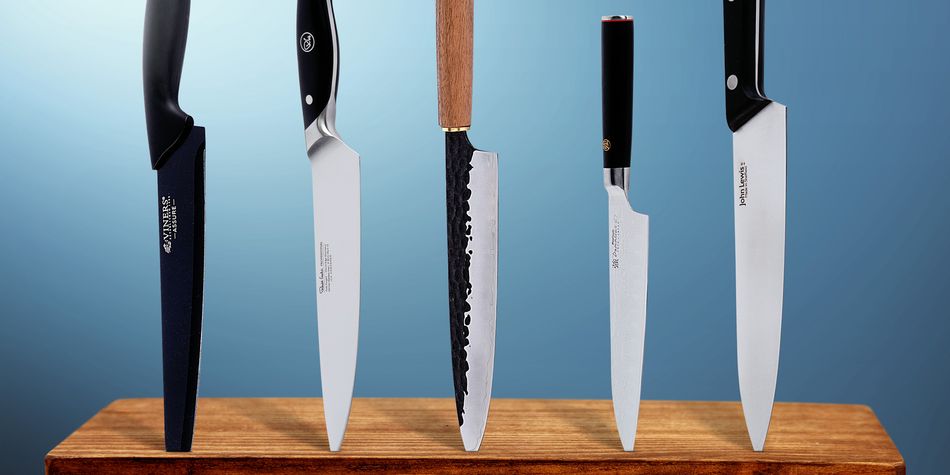
Viners Assure Chef’s Knife (94%, Best Buy/Great Value)

- Blade sizes available: 20cm
- Weight: 124g
- Not dishwasher-safe
We like: Safer rounded-edged blade
We don’t like: Less precise for fine tasks such as julienning
At only £6, the Viners Assure is well under the average price of the chef's knives we tested. Better still, it has a rounded tip to reduce the risk of injury, and our results show that the safer design doesn't compromise performance.
It was impressively sharp, with no signs of dulling after repeated use. Mincing and dicing felt smooth, and the rubber handle remains comfortable during cooking.
The 20cm blade is sturdy enough to tackle tougher jobs, such as slicing through a butternut squash, but it isn't the most precise knife for intricate tasks such as julienning.
However, if you want an affordable, dependable kitchen knife that delivers far beyond its price, this one has the edge.
Read our Viners Assure Chef’s Knife review.
Kitchen Devils Control Large Cook's Knife (88%)

- Blade sizes available: 20cm, 12cm
- Weight: 101g
- Dishwasher-safe
We like: Very comfortable handle
We don’t like: Not quite perfect at slicing butternut squash
This Kitchen Devils knife was one of the sharpest out of the box and maintained its sharp edge after we put it through a series of chopping tasks. The curved rubber handle impressed our testers because the knife stayed comfortable even during heavy-duty cutting.
It made easy work of everyday chopping, with testers only needing to apply a little extra pressure to power through butternut squash.
At £15, if you're after a knife for fuss-free prep, it's worth considering. It's also dishwasher-safe - a rarity for kitchen knives.
Read our Kitchen Devils Control Large Cook's Knife review.
What is the highest-scoring kitchen knife?
ProCook Damascus 67 Santoku Knife (95%, Best Buy)

Available from ProCook (£129)
- Blade sizes available: 18cm, 13cm
- Weight: 199g
- Not dishwasher-safe
We like: Performs brilliantly across all chopping tasks
We don’t like: One of the most expensive knives we tested
Our top-scorer, this ProCook Santoku Knife finely diced onions and powered confidently through dense vegetables. It's perfect for intricate tasks too - neatly julienning carrots into thin slices, something our lower-priced knives struggled to do as faultlessly.
Made from Japanese steel, it's beautifully designed. It doesn't just look good either: the rounded handle allows for a secure grip, and the blade stayed razor-sharp throughout testing.
However, typically costing £169, it's a real investment. It's also one of the heaviest knives we've tested so, while our panel found it well-balanced, it may not suit those who prefer a lighter knife.
Read our ProCook Damascus 67 Santoku Knife review.
What knives should every kitchen have?

If you're starting your knife collection, you only need three for everyday cooking: a chef's knife, a bread knife and a paring knife.
A chef's knife is the ultimate kitchen essential. A large, general-purpose kitchen knife, usually 12cm to 20cm long. It's designed for everything from finely chopping herbs and cubing hard vegetables to preparing meat.
A bread knife has a long, serrated blade to saw through crusty loaves without squashing the soft interior. This serrated edge is also ideal for other ingredients with hard skins and soft insides, such as tomatoes or peaches.
At around 10cm in length, paring knives are small but mighty. Designed for intricate tasks that a larger blade can't safely manage, they make peeling, trimming and de-seeding ingredients simple.
Want to fully upgrade your knife collection? See our round-up of the best knife sets.
Things to consider when buying a kitchen knife
If you want a new kitchen knife, keep these points in mind when shopping:
- Weight and balance Decide whether you want a nimble, lightweight knife that won't give you arm ache or a heavier one that gives extra leverage. Whichever you choose, make sure the knife feels natural and well balanced in your hand.
- Blade size Pick a blade size that suits your grip and workspace. A chef's knife around 20cm is the sweet spot for most. However, if you have smaller hands or like to use a small chopping board, a 15cm to 18cm blade may be better.
- Western vs Japanese Both handle the same chopping tasks, but their designs suit different chopping styles. Western knives feature thicker, curved blades for a rocking motion. Japanese knives tend to be lighter and straighter, tailored for delicate, precise cuts.
- Handle comfort As you'll use the knife every day, you want it to be comfortable and secure to hold. Look for features such as non-slip rubber linings and curved handles that sit nicely in the palm of your hand.
- Ease of cleaning We strongly recommend handwashing all knives, as the dishwasher heat can dull edges and warp handles after extended cycles. If you want maximum convenience, opt for knives explicitly labelled as dishwasher-safe, as these should offer extra protection when dishwashing.
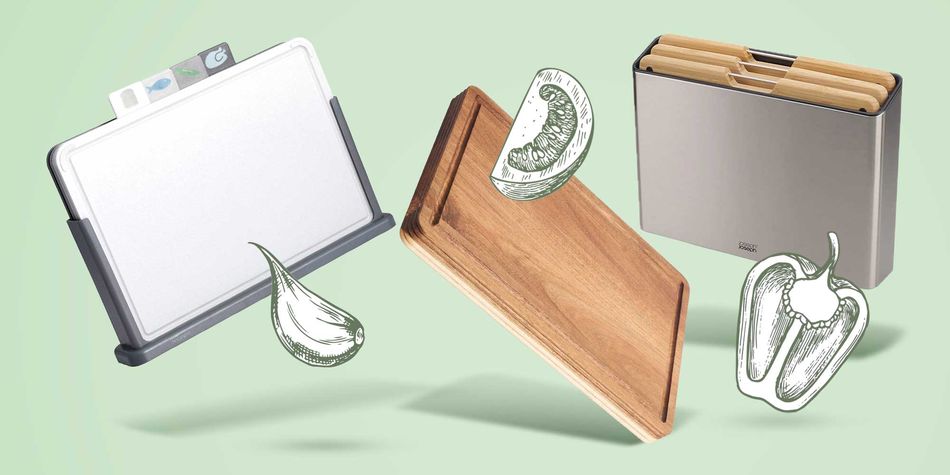
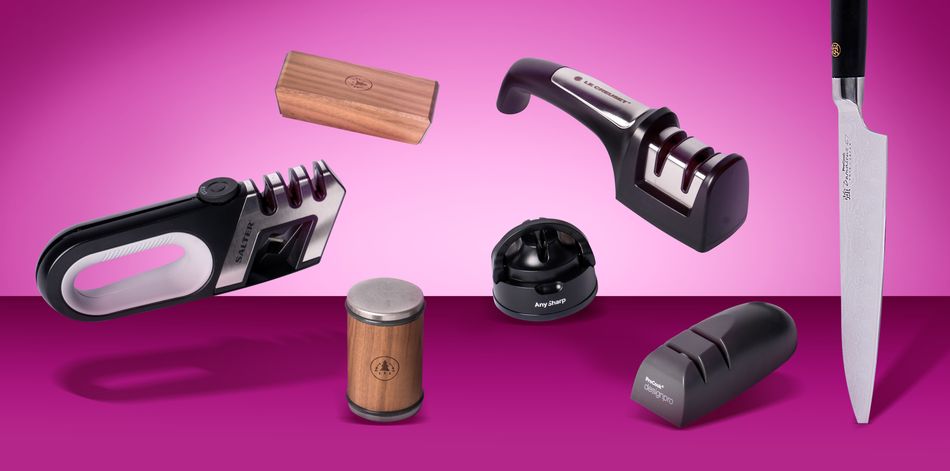
Pair your new knife with our best knife sharpeners and best chopping boards.