By clicking a retailer link you consent to third-party cookies that track your onward journey. This enables W? to receive an affiliate commission if you make a purchase, which supports our mission to be the UK's consumer champion.
I’m the Which? Gardening Editor – here are 7 things I’d never do to my lawn

Ceri studied horticulture at university and has spent her career editing gardening content. You shouldn't have favourites but she loves sweet peas!

With over a decade of experience at Which?, Tom covers everything from tech advice to money-saving tips, and highlights the best deals during major sales events.

Keeping your lawn looking its best doesn’t have to mean hard work every weekend or expensive treatments. In fact, some common habits can do more harm than good, especially during hot, dry weather.
From adjusting your mowing height to rethinking your watering habits, small changes can have a big impact on your lawn’s health and resilience, and knowing what to avoid is just as important as getting the basics right.
Below, Which? Gardening editor Ceri Thomas shares what to avoid when caring for your lawn. Plus, if you're a Which? member, you'll get exclusive access to our selection of Best Buy lawn mowers.
1. Don’t water your lawn in dry spells

It can look alarming when grass turns brown during dry periods, especially if you’re used to seeing it lush and green, but I’d never waste water on it, as it will quickly revive once the rain returns. In most cases, that colour change is temporary rather than a sign of lasting damage.
Most lawns in the UK are made up of hardy grass species that naturally go dormant in drought conditions to conserve energy. It won’t turn green overnight, but it will recover very quickly. Once moisture levels improve, new growth will soon replace the dry, brown blades.
Of course, dry weather often coincides with hosepipe bans – so even trying to water would be a real hassle. Plus, anyone on a water meter knows that it can get expensive to water things that don’t need it. There’s also little benefit to light, frequent watering, which tends to encourage shallow roots rather than deeper, more drought-tolerant growth.
When you want to prioritise watering, focus on newly laid turf or freshly sown grass seed, which won’t survive prolonged dry spells without help. But remember that established lawns are usually far more resilient than they appear.
If you’re watering plants elsewhere in your garden, our guide to the best watering cans can help you choose the right one.
2. Don't cut the grass too short

Cutting your lawn too low can leave it struggling in hot, dry weather, causing it to brown more quickly. It’s also more vulnerable to weeds and moss getting in and establishing.
Longer grass shades the soil, helping it retain moisture and reducing stress during heatwaves. It also encourages deeper root growth, making the lawn more drought-tolerant. Make sure you use your mower’s height setter to raise the blades so you don’t shear the surface.
As a general rule, aim to remove no more than one third of the grass height in a single cut to keep your lawn healthy. Raising the cutting height slightly during summer can make a noticeable difference to how well your lawn copes in dry conditions.
Keeping grass longer can crowd out weeds, but if they start appearing elsewhere, see weed-suppressing membranes and the best products to control weeds in paving and paths.
3. Never cut grass with a blunt blade

A blunt lawn mower blade can leave your lawn looking tatty with frayed ends and might make it more vulnerable to disease.
Check your mower blade and replace it if it's dull. Regular mowing during the growing season means blades can lose their edge more quickly than you might expect, so it’s worth checking them more than once a year.
A local lawn mower specialist may be able to sharpen the blade for you, or you could buy a replacement.
For every mower we test, we check how it copes with cutting standard, long, rough and wet grass lawns, judging how tidily it cuts and how it feels to use in different conditions.
If you'd rather not shop around for lawn mowers, we recommend the models below:
| Product | Which? test score | Grass cutting ability | Grass collection |
|---|---|---|---|
Sign up to reveal Get instant access to this and all our scores and recommendations Unlock tableGet Digital access £9.99 per month, cancel at any time. Already a member? | 79% | ||
| 76% | |||
| 68% |
Sign up to reveal
Get instant access to this and all our scores and recommendations
Unlock tableGet Digital access £9.99 per month, cancel at any time.
Already a member?
Log in
You can join Which? to see our guide to the best lawn mowers.
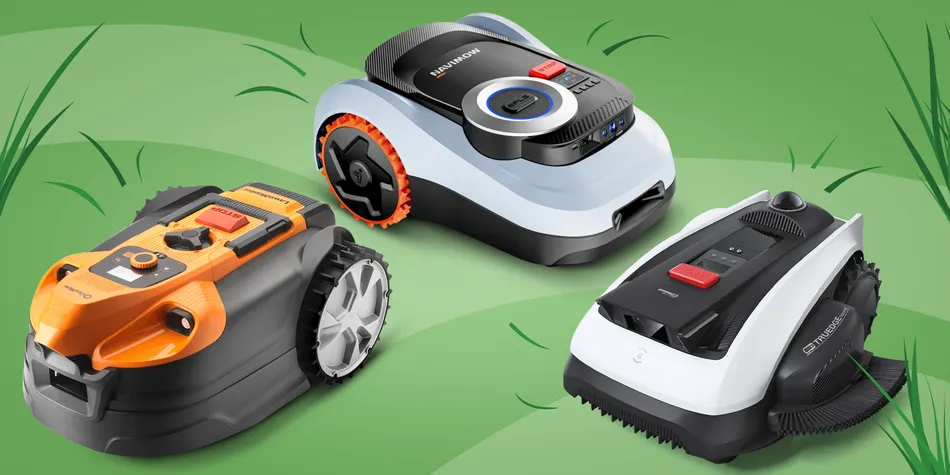
4. Don’t overlook robot mowers

Robot mowers have come down markedly in price in recent years. You can now get a decent model for a similar price to a standard lawn mower, and many no longer require you to lay a perimeter wire, which used to be a hassle.
There are models for any lawn size, and they can handle slopes and complex layouts. Once set up, they handle regular mowing for you, so you can spend time on something more enjoyable.
The lawn also looks great, cut to an even height, and the cuttings are finely chopped and disappear into the turf. This ‘mulching’ effect can help return nutrients to the soil, reducing the need for additional feeding. However, they work best if the lawn is kept relatively clear of debris such as fallen branches or toys.
If you'd rather not shop around for robot lawn mowers, we recommend the Great Value model below.
| Product | Which? test score | Grass cutting ability | Moving around obstacles |
|---|---|---|---|
Sign up to reveal Get instant access to this and all our scores and recommendations Unlock tableGet Digital access £9.99 per month, cancel at any time. Already a member? | 74% |
Sign up to reveal
Get instant access to this and all our scores and recommendations
Unlock tableGet Digital access £9.99 per month, cancel at any time.
Already a member?
Log in
You can join Which? to see our guide to the best robot lawn mowers.
5. Don’t worry about daisies in your lawn

Not long ago, gardeners aspired to a pure-green lawn and spent time and money on regular weed killer treatments. Nowadays, 'No Mow May' is popular, encouraging gardeners to put away their mowers for a month and let the grass grow longer, which in turn allows flowering plants, such as buttercups, to bloom and provide food for pollinators.
Even if you don’t want to give up your mower, just leaving the blades on their highest setting will leave the grass tall enough for low-growing plants, such as daisies, to flower and provide a natural food source to help insects.
6. Don't cut the grass when it's wet

Mowing a wet lawn will leave you with a messy finish, as damp grass is harder to cut cleanly and tends to clump together. These clippings can block the mower, impacting performance and potentially causing it to stall.
The rain will soften the ground, too, making it easier for grass to be pulled up rather than cleanly cut, which can damage your lawn. This can leave it looking patchy, and you might have to wait several weeks for it to recover.
Admittedly, it's not always possible to avoid cutting after a drizzle in the UK. It’s best to wait until the grass has dried where you can.
For more details, explore our full guide on how to mow a lawn.
7. Don’t ignore moss and thatch build-up

Moss and thatch can quickly build up in a lawn, especially in shaded or poorly drained areas. And, if left untreated, they can weaken the grass and create patchy areas. Over time, this layer can block water, air and nutrients from reaching the roots.
Moss is more likely to thrive in low-light conditions, so cutting back overhanging branches can improve conditions for grass to grow more vigorously. Compacted soil can also make the problem worse, so aerating the lawn with a garden fork every 10 to 15cm can help get air and water back into the soil.
If you treat moss, make sure you rake out the dead material and reseed any bare patches, otherwise it can quickly return. Moving heavy objects around the lawn and adding a light top dressing can also help encourage healthier, more even regrowth.
Of the moss killers we've tested in our lab, these are among the best overall:
| Product | Which? test score | Reduction in moss | Ease of use |
|---|---|---|---|
Sign up to reveal Get instant access to this and all our scores and recommendations Unlock tableGet Digital access £9.99 per month, cancel at any time. Already a member? | 70% | ||
| 65% | |||
| 63% |
Sign up to reveal
Get instant access to this and all our scores and recommendations
Unlock tableGet Digital access £9.99 per month, cancel at any time.
Already a member?
Log in
You can join Which? to see our guide to the best lawn treatments.
Sign up for Which? Gardening

Our product tests and plant trials uncover the best varieties, composts, feeds, techniques and tools to help you get better results in your garden.
- Garden with confidence Which? Gardening magazine is the practical read you need to become a better gardener. Our experts show you what to do and when, our plant trials and garden product tests inform our Best Buy and Don't Buy recommendations, and our topical articles will guide you in creating the garden you want.
- 1-to-1 advice by email Message us whenever you need, and we'll respond within a couple of days with clear advice tailored to your own particular circumstances and experiences.
- Know what to do when Keep your garden looking great with practical guidance that covers the key aspects of any garden: flowers, pruning, wildlife and vegetables.
- Jobs at a glance Our gardening year planner shows you the monthly jobs to do for your garden to flourish.
You can sign up for Which? Gardening to start getting expert advice and recommendations.