By clicking a retailer link you consent to third-party cookies that track your onward journey. This enables W? to receive an affiliate commission if you make a purchase, which supports our mission to be the UK's consumer champion.
7 convenience foods health experts and editors use to hit their fibre goals

With more than 25 years' experience in lifestyle journalism, Ceri cuts through the hype to uncover the truth behind health and nutrition claims.

Even if you think you’re eating enough fibre, the truth is you’re probably not. According to the National Diet and Nutrition Survey, just 4% of adults aged 11 or over reached the recommended daily intake of 30g, with most of us managing just over half that amount (16.4g).
Medical experts agree that eating enough fibre can reduce your risk of heart disease, stroke, type 2 diabetes and bowel cancer, as well as improving your blood pressure and cholesterol levels, so it makes sense to boost your intake – but it’s harder than you think to meet the guidelines. When a standard baked potato contains just 6g, and a small tin of beans contains 10g, you might have to get creative to make up the shortfall.
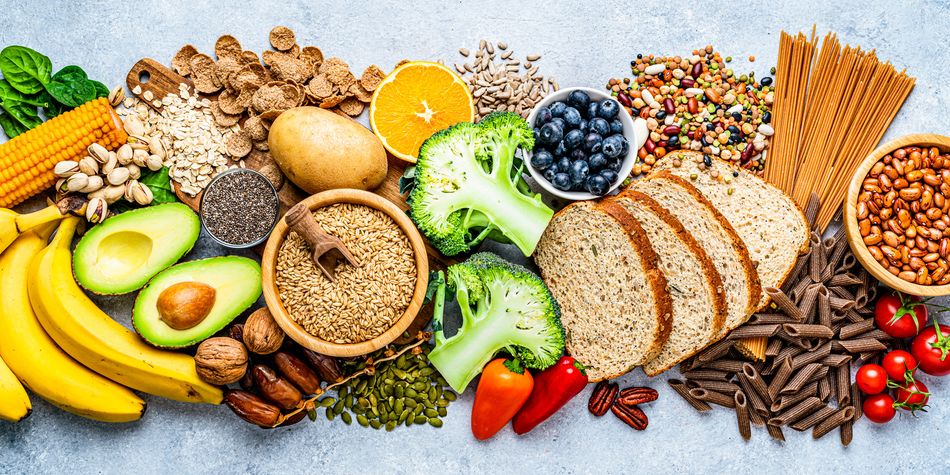
‘Simple ways to boost your fibre intake include adding more beans, lentils, wholegrains, nuts, seeds, fruit and vegetables to meals and snacks,’ says dietitian Nichola Ludlam-Raine. ‘It’s also important to remember that not all processed or packaged foods are inherently unhealthy. Some convenient packaged foods, such as bean salads, tinned pulses, frozen vegetables or wholegrain wraps, can actually help people meet their nutritional goals in a practical and affordable way when they might otherwise struggle.’
We asked our panel of experts to share the fuss-free high-fibre foods they keep in their kitchen cupboards.
Pep & Lekker Original Mixed Seed Crackers, £16 (4 x 110g packs)

Dr Camilla Stokholm is a former NHS GP, and is now at Mosaic Medical. She specialises in gut microbiome analysis, weight management, irritable bowel syndrome (IBS) and inflammatory bowel disease (IBD), and is the author of What Your Doctor Eats.

‘When I’m in a pinch or on-the-go, I lean heavily on these seeded crackers as part of a lunchtime ‘diversity plate’ which is basically an upgraded cheese and cracker situation. They contain 4g of fibre per serving, and I love including things like nuts, fruit, crudités, hummus, boiled eggs, different cheeses, pickles, ferments or even some tinned sardines alongside them.’
Nutritional verdict: This is a great food option because it's a convenient source of fibre and healthy fats. With 4g of fibre per serving, it can help increase plant diversity in the diet while providing a tasty and easy-to-eat snack.
Sunfly Sunflower Seed Butter, Sweet & Salty, £3.75

Emma Shafqat is a paediatric dietitian who brings more than a decade of expertise to the table, backed by a first-class honours degree in dietetics and nutrition. She specialises in helping families navigate dietary challenges, particularly fussy eating.

‘I originally found these when I was looking for a nut-free alternative for school lunches and a healthier alternative to chocolate spreads like Nutella. They also do a chocolate sunflower seed butter version, as well as individual squeeze pouches, which are really handy for school lunchboxes or eating on the go. You can also serve it on toast, stirred into porridge or alongside apple slices as a snack.’
Nutritional verdict: High in fibre and made from 90% sunflower kernels, this product provides 6.9g of fibre per 100g. It also contains a range of nutrients, including vitamin E, magnesium, zinc, iron, selenium and calcium.
M&S Four Bean Salad, £3

Nichola Ludlam-Raine is a UK-registered dietitian with more than 17 years of experience working in both the NHS and private sectors. Clinically, she specialises in weight management, and is the author of How Not to Eat Ultra-Processed.

‘I recommend this as a ready-to-eat lunchtime salad, especially with some added feta, grilled chicken or fish. It’s a nice alternative to sandwiches or pasta-based options, and it also works as a side dish with a barbecue or picnic. It’s also good stuffed into wraps, spooned onto toast, added to grain bowls or served alongside dinner as a fibre-rich side, making it ideal for busy days when you want something nutritious without much effort.'
Nutritional verdict: Bean-based salads are naturally rich in fibre thanks to their mix of pulses, and this one contains 6g of fibre per 100g while also providing plant protein. The combination of fibre and protein can support gut health, help you feel fuller for longer and contribute to steadier blood sugar levels.
Bio&Me Raspberry & Coconut Gut-Loving Overnight Oats, £3.50

Janet Padfield is a registered nutritionist specialising in realistic, family-friendly nutrition with a focus on simple, good-quality foods and sustainable habits. She is passionate about helping people improve their health without relying on restrictive diets or ultra-processed products.

‘This is a good one to keep in the cupboard as it doesn't need any prep time. If you’re a ‘take brekkie to work’ kind of person, it travels well dry in a jar or even made up in a well-sealed container. Most cereals or quick-to-make oat-based breakfasts are ultra-processed – this one isn’t, it tastes amazing and really does only take three minutes to make. I usually add 100g of a 5% natural yoghurt for extra protein and 80-100g raspberries for additional fibre. It keeps me satisfied until lunchtime.'
Nutritional verdict: A blend of oats, seeds and buckwheat flakes helps this breakfast cereal deliver 7.8g of fibre per 65g portion – around a quarter of the recommended daily intake. It also stands out for its relatively high protein content compared with many other oat-based breakfasts, and it's dairy-free.
Good4U Super Seeds Salad Topper, £2

Sarah Joan Ross, content editor food and health, Which? With 25 years in lifestyle journalism, Sarah brings a critical eye to health and wellbeing stories, separating evidence-based advice from marketing hype.

‘I like to sprinkle this mix over salads, stir-fries and curries, use it to top avocado toast, or add it to roasted veggies and wraps. It’s also great straight from the pack and conveniently resealable. The seeds have a savoury, umami-style flavour, making them a tasty way to boost your fibre intake, add crunch to meals and replace croutons.'
Nutritional verdict: These contain 2.6g of fibre and 7.6g of protein per 25g serving, making them a handy way to add extra fibre to meals. Pairing them with high-fibre foods such as vegetables, beans, or wholegrains can help increase your overall fibre intake further.
Merchant Gourmet Beluga Lentils, £2.15

Laura Tilt is a registered dietitian with a master’s in public health nutrition and a postgraduate diploma in dietetics. She has specialised in gastroenterology and has more than 10 years of experience translating nutrition science into accessible, meaningful advice.

‘I love these lentil packs from Merchant Gourmet because they’re really convenient for quick lunches and dinners, delicious and versatile. They’re cooked and ready to eat, and have a long shelf life, so I have a few pouches stashed in the cupboard. I use them for lunch and dinner, adding to a salad or a soup to add protein and fibre, or at dinner to stir into a curry or chilli.'
Nutritional verdict: Beans, peas and lentils are a brilliant but underrated source of fibre. Half a pack provides around 8-10g of fibre, which is about a third of the recommended daily intake.
Biona Organic Rye Bread Chia & Flax, 500g, £2.89

Daniella Delaney Mendes, chief wellness editor. In charge of making sure everything we're doing in health and wellbeing is getting you exactly what you need to live a better life.

‘My current go-to is Biona's rye bread with chia and flax seeds. It's high in fibre and an easy way to boost my intake. I toast a slice in the air fryer with a little olive oil, then top it with hazelnut butter or Marmite for breakfast, or egg and tomato for a quick lunch. I've never been a fan of rye bread, but this one has a delicious nutty flavour that won me over – and my husband is a convert too.’
Nutritional verdict: This is a nutrient-dense bread choice: low in naturally occurring sugar, medium protein and particularly high in fibre (one slice contains nearly 8g of fibre), thanks to the combination of wholegrain rye plus added seeds. Add in some protein like eggs or cottage cheese, and you have a really balanced snack.