Erica McKoy: Aging doesn't need to be a slog. With the right tools, we can age with strength, energy, and an immune system that gives us the best chances of great health, so you can really live the life you want. We think it's time for a better conversation that's impartial to help us separate the myth from the genuine science. I'm joined by two extraordinary experts. Shefalee Loth is our principal researcher and nutritionist at Which? She leads the research for the health and wellbeing team. With over 20 years of experience, Shefalee's extensive career includes working with the NHS, the London School of Hygiene & Tropical Medicine, and the World Cancer Research Fund.
We also have Dr Jenna Macciochi, who is one of the UK's leading immunologists. She's a lecturer and the author of several books, including Immunity: The Science of Staying Well, Your Blueprint for Strong Immunity, and most recently, Immune for Life – three incredible books that break down the science behind our health.
Shefalee, Dr Jenna, welcome to The Health Reset.
Shefalee Loth: Hello.
Dr Jenna Macciochi: Hello.
Erica McKoy: 60 seconds on the clock, just as we did in Episode 1 and 2. I'm going to send over some questions your way and let's see what you think.
Are immunity supplements actually any good for warding off colds and flus?
Shefalee Loth: No.
Erica McKoy: Oh! People will be surprised. What about Vitamin C?
Shefalee Loth: Not for warding them off, no.
Erica McKoy: Okay. How important is sleep for our immune system?
Dr Jenna Macciochi: Very important.
Erica McKoy: Okay, we'll talk about that. Black elderberry and echinacea, are they nature's fail-safes to cold and flu?
Shefalee Loth: The evidence is still out.
Erica McKoy: Okay. Does being physically cold weaken your immune system?
Dr Jenna Macciochi: It depends on how long.
Erica McKoy: Is the nervous system and the immune system really linked?
Dr Jenna Macciochi: Completely linked, and there's a new field called psychoneuroimmunology, which really looks into this.
Erica McKoy: Oh, how exciting! What about saunas and heat exposure? Does sweating it out prevent illness? Jenna, Dr Jenna.
Dr Jenna Macciochi: Not necessarily. You might have been saved by the bell there.
Erica McKoy: But I do want to talk about it because I love a sauna. Can a bit of heat do the trick? Am I going to be able to sweat it out?
Dr Jenna Macciochi: Well, the thing is we're seeing a signal in the literature, particularly from Finland, which is the home of the sauna, where people who sauna regularly have lots of different health benefits. Now, we have to think about the people that use saunas might also be very engaged in their health in other ways, so there could be a bit of healthy user bias there. But it does seem to have these overall benefits to our whole-body health, and our immune system is part of that. Now, if you do fall sick, I don't know that if you feel poorly getting in a sauna is necessarily the best thing to do. Regular use over time might be one of the many factors that support your immune system functioning at its best.
Erica McKoy: One of the first questions you ask in your latest book is, "Are you scared of dying?" It was a really strong opener. Is it important for us to be thinking about this concept of life and death when we're thinking about our immunity?
Dr Jenna Macciochi: Yeah, well, I think I certainly was when I was writing this. It emerged from seeing this longevity craze evolving online, and we have the poster boy Bryan Johnson in the US who's spending millions of pounds trying not to die. I wanted to write about the immune system and longevity, but I also wanted to do it through a more human lens of what is all of this for – chasing this moving horizon of longevity optimisation – if not to be just more present in our lives now? Most of us struggle with time.
And then I was looking through the evolutionary lens, because I'm really fascinated by evolutionary biology. For most of our evolutionary history, we were lucky to make it to 40. We would have our lives truncated by injury, infection, malnutrition. Things were quite brutal. Now in the UK, we can easily hope to live until we're 80. So we have a lot more time than ever before.
I think that old philosophical way of thinking about meditating on our own death might help us be more present in the now and make better choices day to day for our future health, but also to enjoy our current lives, which I think is where most people get trapped – that everything feels like we're chasing a horizon, and in the moment, we don't have time to really enjoy things.
Erica McKoy: The reason why you're here is to talk about winter illness and winter flu. We all tend to get ill around September, but then also into the winter, around November, maybe December. Is this to do with the weather, the change of weather?
Dr Jenna Macciochi: Yeah, a lot of viruses display these seasonal patterns. Things like the rhinoviruses, which of there's more than 200 different ones that cause the common cold, they prefer the cooler climates; influenza viruses. So there's that factor, is that there's just more of them around.
And then our behaviours tend to change in winter. So in September, we have the back to school, summer is over, holidays are over, back to the office – so we're interacting with more people, therefore we're more exposed. The weather starts to get a bit chilly; we close the windows; we crowd indoors instead of maybe meeting friends outside. So we've got more opportunities to be exposed.
Then one of the big factors is, of course, Vitamin D, which plays a really important role in things like bone health and muscle health, but it has a less recognized role in immune health. We go into winter and by October we see the public health information suggesting we should be being a bit cognisant of our Vitamin D intake now that the sun is a lot weaker. Then by Christmas, if we haven't been taking care of our Vitamin D levels, we can find ourselves quite deficient.
Erica McKoy: Shefalee, we have lots of articles about Vitamin D. Can you tell us what Vitamin D does for us?
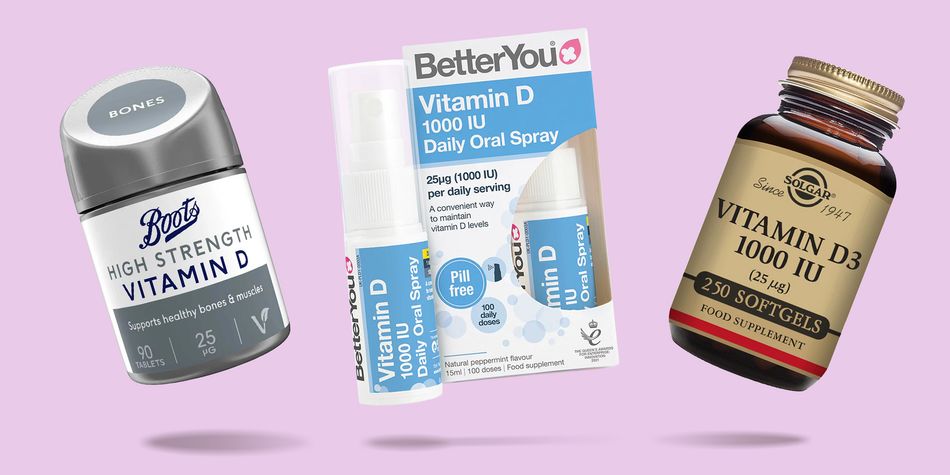
Shefalee Loth: Yeah. So it's a vitamin, but actually, like Jenna said, in the UK, we don't get enough during those winter months, specifically October to March time. The sun's too weak and our bodies can't synthesise enough Vitamin D.
So the NHS really recommends that everybody supplements over those months with a 10-microgram dose of Vitamin D. It's not a huge amount. Certain groups, such as myself and you, people with darker skin, but also people who may cover quite a lot when they're outside, or are elderly and don't get out much, they're recommended to supplement the whole year through just to keep their levels up because, as Jenna said, Vitamin D is really important for our immune health. Everyone knows we need it for our bone health, but actually it plays a really key role in immunity as well.
Erica McKoy: I've got a question about the immune system. Is some of it just beyond our control? Is it our genetics?
Dr Jenna Macciochi: Yeah, there's definitely a component of that. You know, we like to think that everything is diet and lifestyle and that we can pull all the levers and be invincible, but there's a certain amount that is going to be predetermined by your genetics, and that's why we often see things running in families.
The immune system is quite unique in how our immune genes are passed on to us from our parents, and that's a specific design of evolution because if you imagine if there was a pandemic – God forbid – we wouldn't want to all respond exactly the same way to that infection because we could be wiped out as a species. So within any given population, there's an inherent immune diversity encoded in our genes that allows us to respond differently to different infections, which means some people might just really get bad respiratory infections, but their gut immune health is really robust and they never get those infections in their digestive tract.
That's really important to remember as a layer before we build on any health and supplement and diet advice. To me, it's really fascinating, and I think that's what makes the immune system really, really interesting and incredible in how it works.
Erica McKoy: We're all different. I love that.
Dr Jenna Macciochi: Just to build on that, there's some really interesting data in how these immune system genes are linked to our olfactory system – so what we smell. There's studies that were done – it was back in the 70s now – showing that when you like the smell of a person and you potentially become their partner and want to have a child with them, when they look at the immune system genes, they find that they're very, very distinct. So we tend to be attracted to people with really different immune system genes, and that increases the chance of us having a child that's even more unique, so we keep that outbred genetic population.
Erica McKoy: We've got lots of different systems in our body. I think lots of people know about the nervous system; they know about maybe the lymphatic system; often people do lymphatic drainage. But the immune system feels like something that we kind of know about maybe because of COVID, or because of a cold or a flu. Can you tell us what the immune system really is, because I don't think many people really know it.
Dr Jenna Macciochi: Yeah, I think that's one of the challenges, really, because like you say, we can point to where our respiratory system is, or we anatomically know roughly where our digestive system is, but the immune system is everywhere. Like our nervous system, those are the only two systems in the body that are everywhere, and I think that signals quite a lot about how important both the nervous system and the immune system are for our health.
They're like our safety systems. So your nervous system senses danger, and then your immune system is preparing for that danger. So if you were about to be injured, your immune system needs to be there to heal and repair the tissues, make sure there's no infection. So they're always working together.
And your immune system, really we're talking about a collection of what we call white blood cells. They're not just in your blood; they're actually mostly congregated at the barriers to our body. So that's underneath the skin, in the lining of our nose and our respiratory tract where we might breathe in things that could harm us, lining our digestive tract; and then they're also circulating around the body in the blood and the lymphatic system.
So they're constantly surveying the whole body, looking out for things that are untoward, and then they circulate in and out of immune organs like we have lymph nodes, we have the bone marrow, we have things like the thymus gland in the neck. So there's a variety of different immune organs as well, but it's kind of this diffuse scattering of cells that are working collaboratively together.
Erica McKoy: That was going to be my next question – what are some of the organs that we need to maybe be a bit more aware of? Because I know, like we said with the digestive system, it kind of runs down the middle of my body and then it's at the bottom. Yeah! And then I was like, don't want to get too into detail, but it's down there.
So we're talking in the bones, and we're talking – I often know if you are feeling a bit ill, certain parts of your body might swell a little bit, like maybe your throat around here swells. Yeah, where else should we be thinking about?
Dr Jenna Macciochi: So bone marrow, that's where a lot of our new immune cells are being produced, so it's really important that we have healthy bones.
The main lymph nodes are where – these are like little hubs of immune activity. So you mentioned if you're unwell and your throat swells and you can feel it, your doctor might have a feel and he'll say, "Oh, your glands are up," or "I can feel your lymph nodes." And that's because these little nodes are swelling and they're full of immune cells cloning themselves because they've identified a virus or bacteria that's causing an infection, and they go to these lymph nodes and they basically clone themselves into an army that then goes into the tissue to fight it off. So you have hundreds of lymph nodes all over your body, and so wherever you might have an infection, you might find that there's a swelling where those lymph nodes are.
The other really important immune organ is the gut, which has, as you said, it runs all the way from your mouth to the other end, but it has lots of immune tissue all the way down it, organised into different forms as you move down the gut. And that's because the gut is obviously an entry point for infections or toxins or things that could harm us, so we have this congregation of immune cells all along that tissue, and again, there's different lymph nodes there that support immune activity when something is going wrong and we want to sort it.
Erica McKoy: That sounds like a really nice segue into stress, inflammation, gut, because I think we all eat, and we all have some sort of connection with the gut. Shefalee, we've heard lots about the immune system. Can you tell us a bit about the nutrition, or the foods that we can eat that will support our immune system?
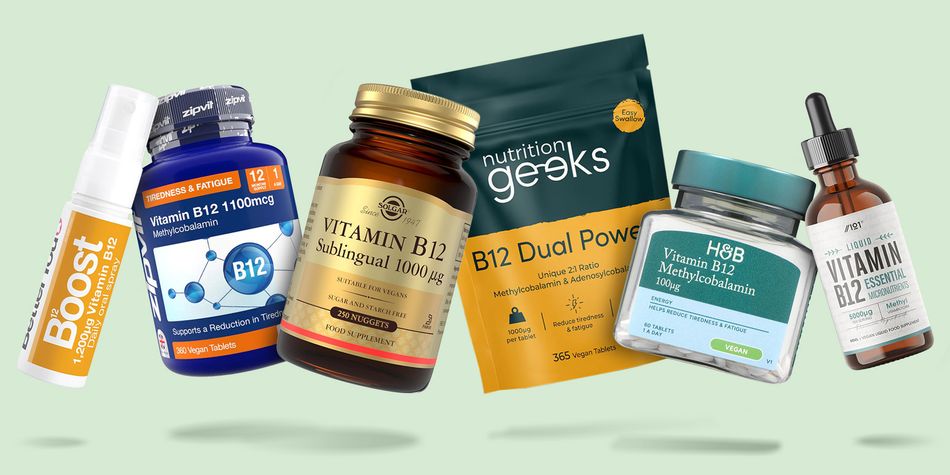
Shefalee Loth: Yeah. So we touched on Vitamin D, which is really important in the production of those white blood cells that help to fight infection. But there are lots of other nutrients that are really important for our immune system: Vitamin A, Vitamin C lots of people know about; we've got Vitamin B12, folic acid, B12; but also some minerals too, so we've got zinc, which lots of people might take over the winter months, but also selenium and iron, to name but a few.
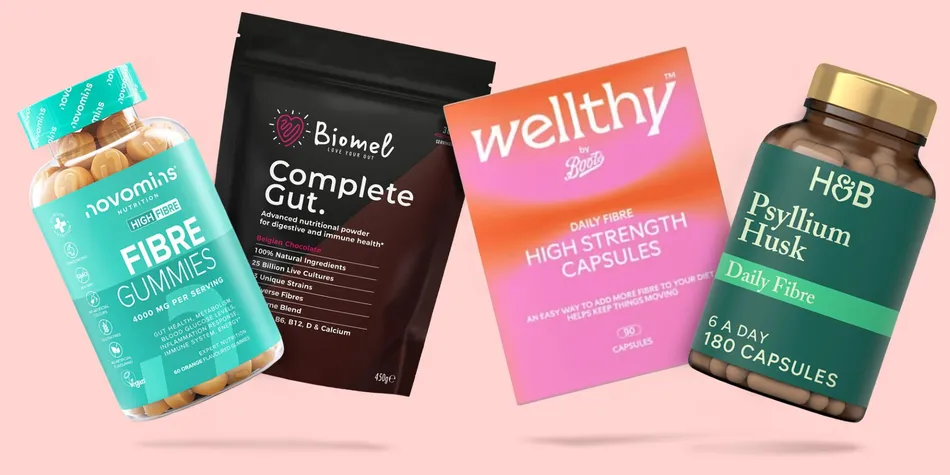
So obviously there are a lot of nutrients that are really important and they play different roles in our immune system, but they're all key. And we know fibre's really important as well. Our gut is really linked to our immune system, so keeping it healthy, having a diverse gut microbiome is really key in helping our immune system stay healthy.
Erica McKoy: The gut microbiome, it feels a bit like a buzzword. It's a word that we're hearing so much. How much does it play into supporting our immune system? Maybe Dr Jenna, can you answer that?
Dr Jenna Macciochi: Yeah, it's quite significant because this is really an emerging area of research, but the estimate is around 70% of your total immune cells are congregated all the way along the digestive tract, and they'll be recirculating around the body in and out of the blood and lymph, but there's so much of our immune cells that reside there.
And we've discovered this really unique interaction between the microbiome, which is the collection of microbes inside the gut, and what those immune cells are doing. So the microbiome loves to digest fibre, and as Shefalee mentioned, that's a really important nutrient for gut. And when they break down fibre, they produce different compounds, some of which are called short-chain fatty acids. And our immune cells have receptors on their surface for these short-chain fatty acids.
So when they're produced in the gut and absorbed, immune cells are then being directed into how they should behave, and this helps with all sorts of things. There's studies looking at how fibre in the diet can improve the number of colds and flus you get in a year, or symptoms of allergy. This is all emerging research and it's a really exciting area, but it just really starts to emphasise this important gut-immune link and how it's not just about the gut, but it seems to spread throughout the body.
Erica McKoy: I think lots of people will be so surprised about that 70 to 80% percentage. I just think it's wild that so much of our immune system is in the gut.
Shefalee Loth: And it is a really new area. When I did my nutrition degree 20 years ago – I'll confess – it just wasn't even something we considered. This wasn't part of the learnings because it is such a new area.
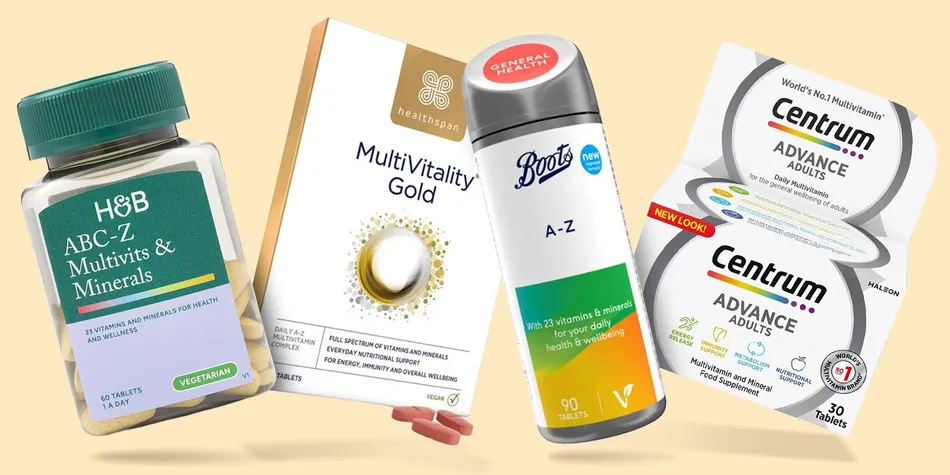
Erica McKoy: So Shefalee, we've got some Vitamin C and some zinc here. In the opener, you said supplements, maybe a bit of a question mark over it.
Shefalee Loth: Yeah. Look, I think the thing is, if you're deficient in Vitamin C, zinc, any of the other nutrients that we talked about, then that will impact your immune system. If you're not deficient, then actually there's very little evidence to show taking excess amounts will benefit you in any way.
A lot of people, as soon as they get a cold, will reach for really, really high-dose Vitamin C supplements. Now, people have been doing this for a long, long time, and actually the research doesn't really support its use. The Cochrane database did a huge meta-analysis. They looked at 29 different studies covering about 11,000 people to see whether taking Vitamin C had any impact, first of all on the incidence of colds – so how often you got sick – but also about the duration of that cold.
And actually, at the end of the study, what they concluded is Vitamin C has no impact on how often you'll get a cold or you'll get ill, but there was a minor reduction in the duration of your cold. So if you say a cold lasts about 7 days, then the reduction was around half a day to a day, basically, in duration.
Erica McKoy: And am I right in thinking – just throwing back to our previous series – Vitamin C is often water soluble, so you will end up, if you take too much, it'll just leave the body anyway.
Shefalee Loth: Yes, exactly. So Vitamin C is a water-soluble vitamin, as are the B vitamins as well. And basically what this means is if you take too much, your body can't store it. So if you consume too much Vitamin C, essentially you're going to end up peeing it out.
Erica McKoy: Expensive pee! I remember this from last time.
Shefalee Loth: And actually, it can also cause digestive issues like diarrhoea, etc., in really high doses.
Dr Jenna Macciochi: Vitamin C is important for the immune system, but we're probably getting plenty from our diet these days, or at least we should be. And like you said of the Cochrane review, it was a really marginal benefit to supplementing upon the onset of cold and flu symptoms.
Erica McKoy: We spoke about elderberry and echinacea right at the beginning of the show. Shefalee, what's our thoughts on echinacea?
Shefalee Loth: I said the jury was out, and actually that's because there are no permitted or allowed claims for those products and colds. But people have been using them for a long, long time. Now, the research, there's very mixed research on botanical ingredients, and we've talked about this in the past, why it's really hard to prove their benefits because plants, the active ingredients in plants vary; extraction methods vary, etc., when you're producing supplements.
However, the Cochrane database has also done a meta-analysis on echinacea and say that there's really very little evidence to support its use.
Erica McKoy: I quite like the taste of both. I quite like a cordial – I know we're not talking about cordial, but I like it.
Shefalee Loth: But if you feel like you're being proactive – last week we talked about the placebo effect as well – and actually if you think you're having some control or it's doing something, then that's going to have a mental benefit for you.
Dr Jenna Macciochi: Yeah, I think to your point, a lot of it is that. We live in such fast-paced, busy lives that when you get a cold, it's a real inconvenience. To say to someone, "Take two or three days at home and just rest and you'll probably be fine," most people will be like, "How? How can I rest? I've got work, I've got kids, I've got responsibilities."
So often, I think when we feel proactive like we're doing something – who doesn't love a delicious elderberry syrup – then it helps us feel like we're doing something, and there could be some placebo in that. And the placebo effect is a real physiological effect. As I mentioned in the beginning, the immune system and the nervous system really intersect.
I think it depends what we want as evidence. As you mentioned, there are studies; the compounds in the elderberry and echinacea have been looked at and have this antiviral potential, and maybe it's been shown in vitro in cell culture. How that works in the messiness of a whole human being, who might also not be eating well, or not sleeping well, or alcohol, different lifestyle things, then perhaps it wouldn't move the needle on their symptoms. But I think that is the challenge with the immune system, is that it's this complex mix of different things that are happening at once, and to get the needle to move from one botanical compound and pull that out in a study is really challenging.
Erica McKoy: Absolutely. And you just mentioned some stressors there. You talked about alcohol; you talked about all these stressful things that go on in our lives. I think so many of us are encouraged to be the wonderful friend, the wonderful family member, the person that's doing really well at work, is exercising, and all these other things, as well as maybe they're putting stress on their body by drinking alcohol or smoking. How much is that immune system and our nervous system connected?
Dr Jenna Macciochi: Yeah, it's a really important factor. You'll often hear anecdotally someone saying, "Oh, I was really stressed and then I got sick," or they'll reflect back on a health event and say, "Oh, but I was definitely stressed before that happened due to some big life events." So we make this tangible thing in our heads, "Oh yeah, I got physically unwell at a time when I was stressed, or the stress preceded that."
But when we're experiencing stress, it feels very much like a mental thing, like it's in our heads, but it's experienced physically. The stress response is not good or bad; it's really just there to activate you for escaping a danger, as it were, even if that danger might be imagined in your work email inbox. It changes your physiology, your blood pressure, your blood sugar, your muscle tension, and of course your immune system because if there's danger, you might need your immune system to jump in. So your body's wired to connect the two.
And obviously the stresses of the modern world are less acute ones that resolve quickly when the danger's gone. It's more like the constant grind of carrying the mental load. So it does mean, especially going into autumn/winter and Christmas party season, end of year deadlines, it's something to consider and just being really mindful that maybe we can't control our stress because there's a lot going on, but we can perhaps try and really protect our sleep, or try and really be nourishing our body with good nutrition most of the time that we can. It's not going to offset stress, but if you imagine lots of little dials for your immune health, which ones can we control and which ones have we just got to ride the wave for now?
Erica McKoy: This feels like a great time to mention that you can become a Which? member for 50% off the usual price, an offer exclusively available to our podcast listeners. We've got you. Just click the link in the show notes. You'll get access to our product reviews, our app, one-to-one personalised buying advice, and every issue of Which? magazine across the year. But you'll also be helping us make life simpler, fairer, and safer for everyone. Go to which.co.uk/podcastoffer to find out more.
Before we get into sleep and how important it is, I'd love to chat about our investigation into self-testing kits, and more specifically into the vitamin most of us are deficient in over the winter, Vitamin D. So let's hear from Which? senior researcher, Sara Spary.
Sara Spary: Recently, we've been looking at the whole self-testing industry. Self-testing could be anything from you walk into, let's say Boots or Tesco's or a pharmacy on the high street, and they'll have rapid self-test kits for anything from – the ones you'd be familiar with would be like COVID, but the ones we're looking at would be for Vitamin D deficiency, looking at iron. Those are rapid self-tests.
Erica McKoy: And I feel like we've seen them spring onto the market since COVID. We've seen way more of them in the shops.
Sara Spary: Absolutely. It's definitely a growing market, and I think probably what happened is that during the pandemic everyone got used to testing themselves and got their head around the idea of taking a small sample and getting a result that way. So for sure, there's been huge growth in the market. As well as rapid tests, there's also tests that you can do a sample yourself and send it off to get lab analysed, and there are also these subscription services that have popped up where you pay and you get a blood test every 3 to 6 months for a variety of different things.
Erica McKoy: And what have we been focusing on?
Sara Spary: So we specifically have been looking at Vitamin D tests, and the reason we've been looking at that is because we know that they're a really popular type of test that people are interested in. We also know a lot of people have Vitamin D deficiency in the UK. So we wanted to look at these tests and see essentially if they're useful for consumers.
What we did is we bought the top five brands, and I did them on myself. On the same day, I also got a blood test at a proper accredited lab to see if these tests were capable of picking up my correct Vitamin D level. So while my Vitamin D levels are normal, two of the tests told me that I was deficient, which is actually quite a lot significantly lower than what normal would be on a test, and two said that I had insufficient levels, and only one told me I was sufficient.
So we've seen there's potential consumer detriment here that potentially needs to be looked into a bit more. We have spoken to experts who have questioned whether or not they're useful for consumers and indeed if they're fit for purpose if they're giving such a wide range of results. What our research does show is that there's questions around these types of tests, and that's mirrored as well.
Before we did this piece of research, we were aware of some online reviews out there where people had complained about getting a result that told them they were deficient, only to then go to their GP, have a blood test by the NHS, to find out that there was no problem. So we are aware that there's potential issues in this market, which is why we're looking into it.
These aren't expensive tests, but they're probably about £10 a go, so they're not for free. And it's also the fact that it could lead you down an unnecessary path. Like I just mentioned those reviews we saw online, what had happened in the case of these people is they'd had a test and then gone to the NHS, had to book a GP appointment, had another blood test to try and confirm the result and found that it wasn't accurate in their case.
So there is concern around the impact on the NHS and also on people as well. Arguably, Vitamin D, if you've got a deficiency, it's not necessarily going to be a life or death thing, but there's still consumer detriment there because if you're paying for something, you want to know that that is accurate and you want to know that's useful.
Erica McKoy: Amazing. Thank you, Sara.
Shefalee, were you surprised by the results of this investigation?
Shefalee Loth: Sadly not. We've spoken to a lot of health professionals and doctors who really don't recommend people use these over-the-counter screening health tests. The issue is, with Vitamin D, we've talked about how most people will be deficient over the winter if they're not supplementing, so really just take a Vitamin D supplement for those months between October and March.
If you're worried about other nutrient deficiencies, then really I would recommend you visit your GP and talk to them about your concerns. They will be able to see if it's appropriate to carry out a blood test to test for nutrient deficiencies. They'll also do some tests to figure out what the underlying causes of that might be, and that's something that these over-the-counter tests can't help you with.
Erica McKoy: If you'd like to read more about that investigation, then we'll leave a link in the show notes.
Can we talk about one of my favourite things? Sleeping. I love sleep. I love when the duvet is all lovely and clean and delicious. Why is sleep so beneficial for our body?
Dr Jenna Macciochi: Sleep is wonderful, as many of us will experience, particularly if we don't get sleep. We all know how it makes us feel physically and mentally.
Again, it comes down to what your immune system's meant to do. It's there to protect you. So during the day, we are a species that should be active when it's light. So we're out and about; we're going to work; we're hanging out with friends; we're exposed to dangers that we might need our immune system to jump in – so infections or injury.
So we have different settings for our immune system during day and during night because when you're asleep, it's more the repair, getting on top of all the housekeeping things. Then during the day, it's more surveillance, making sure nothing untoward is getting into our body.
We need to protect these two modes, really. I think often we let the sleep part go because we're so busy during the day, and then we're getting up on the back foot. There's studies that show as you reduce the hours of sleep and then you expose the person to viruses the next day, you increase the likelihood of them getting sick.
So it just has this impact, particularly on a type of immune cell called the natural killer cell, which sounds like a bit of a menacing –
Erica McKoy: Tell us about it! It sounds horrible. What is the natural killer cell?
Dr Jenna Macciochi: The natural killer cells are one of the first-line defenders of viruses, so they're really key to seeing a cell that's been infected with a virus and jumping on it. They're also part of our cancer surveillance system, so they're very important to the early signs of cancerous cells.
We know that these cells are particularly susceptible to being impacted by reduced sleep. So it's why we find when we are burning the candle at both ends, we often come down with a cold that we might have been able to avoid.
Erica McKoy: And the natural killer cells, are they just travelling around our body all the time working away, just spotting if there's anything going wrong?
Dr Jenna Macciochi: Exactly, yeah.
Erica McKoy: Shefalee, how do nutrient deficiencies impact our health? Am I right in thinking iron plays a part in this?
Shefalee Loth: Yeah, absolutely. We talked about lots of nutrients, and actually if you do eat a varied, balanced diet most of the time, you should be able to get all the nutrients that you need from your food, with the exception of Vitamin D, which we talked about.
So I think if you're not getting enough iron, perhaps if you don't eat red meat, you're vegan, you're vegetarian, then it might be worth you thinking about supplementing some of those nutrients only because if you don't, it will have an impact on your immune system, but other things as well.
Erica McKoy: But you can get iron in kale?
Shefalee Loth: So iron is available in plant foods as well. It's just that our bodies absorb haem iron, which is from animal products, better. If you are getting your iron from plant foods, just make sure you're taking it with a Vitamin C source because that will help the absorption.
Erica McKoy: And then Vitamin D, Dr Jenna, am I right in thinking it helps regulate infection, the T cells? T cells, does that mean anything?
Dr Jenna Macciochi: Yeah, T cells are a really important immune cell type, but it's also important for several other immune cells too. It works in quite an interesting way in that it's important for that very early anti-infection response, so allowing your immune system to jump on it quickly.
But it really helps with stopping the inflammatory response from overshooting. So inflammation is your immune system's tool that it uses to fight off infection, but obviously too much inflammation can be quite damaging for our own tissues. So it moderates the inflammatory response and keeps it in a sustainable window to get rid of the infection. So it's got this immune regulatory role as well.
Erica McKoy: And then zinc, we've got it on the table, but what is it great for? Because people often do go to zinc.
Dr Jenna Macciochi: Yeah. Again, these are important nutrients, Vitamin D, zinc, Vitamin C, iron. If you're deficient in those, your immune system won't be able to work as well and we'll see people get more frequent infections, struggle to get rid of infections, and that kind of thing.
Zinc plays an important role in helping the body create antibodies, which are part of your immune system's response to infection, and again being able to regulate that immune response to contain the infection. So it just plays a really key role in how the immune cells work and making sure they work well.
As Shefalee said, more is not necessarily better if you're already sufficient, but during an infection, you might start using more. We know that with a lot of these nutrients, our immune cells are sucking up more of our resources. That might not necessarily mean that you need to supplement if you're having a good diet, but it's just something to be mindful of.
I think we have this idea that if we take all these supplements, we'll be invincible to infections, but it doesn't quite work like that.
Shefalee Loth: And also, you'll remember in COVID there were so many things about boosting your immune system and people taking high-dose supplements, but actually really you don't want to boost your immune system because if you boost it, or it is boosted, that implies that there's something wrong.
Erica McKoy: Okay, so wait. What do we mean here? Because I want to boost my immune system. I want to supplement with Vitamin C. What are you telling me now? There's going to be so many people --
Shefalee Loth: You just want a well-functioning immune system, basically.
Dr Jenna Macciochi: I'm 100% with you, Shefalee. When people say the word boosting, I know what they mean: they want to make sure that they can stay as well as possible. But it's not quite the right word because, to Shefalee's point, you want it just to be well-functioning, which means you can turn on the immune response to fight something off, you can contain the immune response so you don't damage your own tissues, and then you can turn it off again in a timely manner so it can resolve.
I think we forget about that natural arc of this inflammatory response that happens. I guess a boost means you're going to go full pelt fighting off things and inadvertently damage your own tissues. So it's not quite the right word, but I kind of know what people imply when they say it to me. They'll often say, "How do I boost my immune system this winter?" So it's a linguistic thing.
Erica McKoy: We spoke about sleep and those natural killer cells getting to work whilst we sleep. Sleep feels like – maybe boost isn't the right word – but sleep feels like a good time for your body to rejuvenate and have its moment to just restore the body.
Dr Jenna Macciochi: Yes, exactly. You know, you have all these different types of immune cells. They all have a slightly different lifespan, so the old ones will be removed and then we'll replace them with the new ones from the bone marrow so we constantly have a good pool of healthy, functioning immune cells. A lot of that housekeeping work will take place when we're sleeping.
Erica McKoy: We've got an article actually on the Which? website all about winter medicines, so I thought I'd just quickly debunk some of the myths that we know with you, if you don't mind.
Painkillers, do we need to spend so much money on the name-brand painkillers whilst we're ill?
Shefalee Loth: We don't. Essentially, the drugs are paracetamol and ibuprofen, and you can buy those in branded forms or you can also buy generic ones in the supermarket or high street pharmacies, and they are significantly cheaper.
In some instances, you may want to spend a little more on a branded product – for example, if you've got pain that you really need to relieve quickly, then you might want to look for a word such as "advance" on the label, and they have shown that they are faster acting, basically.
Erica McKoy: Cold and flu combination products, are they actually as good as they look?
Shefalee Loth: So the main ingredients in a cold and flu formulation, whether that be a tablet, a powder, a drink, are paracetamol, a decongestant, and caffeine, essentially. Now, you could effectively do that yourself, but they're tied up in a convenient package. You'll just pay more for that convenience. So you could take an own-brand paracetamol with a cup of coffee or a cup of tea and then have a decongestant on the side if you feel that helps for you.
Erica McKoy: When I'm all bunged up and I can't breathe properly, what do listeners need to know about decongestants?
Shefalee Loth: The evidence for decongestants isn't really that strong. They work by opening up airways so you feel that you're getting more air in, basically. If they work for you, go ahead, use them; they're not going to do you any harm. But actually the evidence that they certainly don't reduce the length of your cold, but if they make you feel more comfortable, then there's no harm in taking them. Again, use a generic product, not a branded one.
Erica McKoy: Vapour rubs, what do – they remind me of childhood and being young and being poorly, but what are the key ingredients in those and what do they actually do?
Dr Jenna Macciochi: It's usually things like menthol, camphor, eucalyptus oil. Different brands will contain different essential oils. But they activate a receptor in the nose that creates this sensation of an easier airflow, and it doesn't necessarily open the airflow, but it can make it feel less blocked. So when you're really quite congested, it gives a sensation that it's easier to breathe and relieves some of that congestion.
Erica McKoy: It feels a bit fake!
Dr Jenna Macciochi: Again, it might just be one of these comforting things, and many of us had these as a child and this would be something you'd have on your chest or place near the pillow. There's some evidence that they found that children slept better when they were poorly when these were next to them, but I don't think it's concrete yet if they're actually effective. But again, a very benign thing if it makes you feel better.
Erica McKoy: Dr Jenna, before we get to our listeners' questions, what are the five markers for a healthy immune system?
Dr Jenna Macciochi: You know what, I wish I had a straightforward answer. I'll try and give a really simple answer because the immune system is so mind-bogglingly complex, there isn't just one easy way to measure it. It's probably the question I'm asked the most.
But going to your GP, getting a full blood count, all your white blood cell differentials, is good to rule out anything that might be going on if you're worried.
Things that you can do at home: think of your infection frequency. It's actually normal for adults to get a couple of infections a year if you're exposed to other people. How long it takes you to recover, and if you recover in a normal trajectory. What kinds of infections do you get – are they routine ones that are just going around, or is it very unusual ones that could indicate some part of your immune system is not working properly?
And then other blood markers like a Vitamin D test, high-sensitivity C-reactive protein, which is a marker of inflammation, and then checking your other nutrients: ferritin, B12, folate.
And then metabolic markers like blood sugar, just to keep those in check because of the tight link with your metabolism.
Erica McKoy: Nice. And this is something we could probably go to our GP and ask for a routine blood test.
Dr Jenna Macciochi: Yeah, I think usually they want to have a bit of a picture that there's something going on below the surface before they would order specific tests. But I think if you go with a pattern and write down what you've seen going on over the past few months or so, then that helps with them to identify which bit of your immune response might be needing a bit of attention.
Erica McKoy: We've got some listeners' questions. Christine said, "What's the best way to protect my immune system to avoid getting ill in the first place?"
Dr Jenna Macciochi: Avoid people where there's germs! Just be alone in a room!
Erica McKoy: But in all seriousness, what can we do to help our immune system?
Dr Jenna Macciochi: Yeah, I think it's not ever one thing, and I think that's what's important to remember. If you think about lots of little dials like nutrition, and sleep, and stress, and movement, and nature, things like circadian rhythm – all of these little dials, and sometimes we'll be dialing one up because we're super stressed, so we emphasize the other ones. But it's so multifactorial. It's like all these different inputs are needed for your immune system to function well. But if you're just covering the basics of a good diet and lifestyle most of the time, I think that's the best that you can do.
Erica McKoy: Maria has asked, "Which supplements from all the universe of supplements should we be taking, and for how long prior to flu season?"
Shefalee Loth: Okay, so if Maria is eating a healthy, balanced diet, the only one she really needs to be worrying about is Vitamin D. Definitely take it between October and March in the UK, but if she's in one of those at-risk groups we talked about, then she could benefit from taking it all year round.
Erica McKoy: Dr Jenna, what do you think as well?
Dr Jenna Macciochi: I would agree with that. I think we have to put a bit of a preventative health lens on – like go into cold and flu season eating a good diet, being mindful of our lifestyle, and trying to focus on getting those nutrients from our diet. And then supplements should supplement any gaps, so think of it like that rather than, "Oh, if I take all these immune supplements, I'm going to be invincible to the flu."
And I would also say that Vitamin D is such low-hanging fruit. People want the fancy supplements, but they don't ever think to check their Vitamin D levels or the public health guidance.
And rest really is the best medicine. We do come in contact with germs; we inevitably pick up something across the course of the year. And getting ourselves to rest long enough to allow our immune system to do its job – it's metabolically very active; it needs a lot of energy when it's fighting an infection, which is why you feel poorly – but actually listening to that and making ourselves rest, I think that's the hardest part.
Shefalee Loth: Vitamin D really is low-hanging fruit. We've analysed Vitamin D supplements and I think we've got Best Buys at Which? that cost 1 or 2p for a daily dose.
Erica McKoy: And Shefalee, Vitamin D supplements, are we meant to be pairing this with anything to get the most out of the Vitamin D?
Shefalee Loth: So Vitamin D is a fat-soluble vitamin, so you do need to take it with a fat source, basically. So some supplements are an oil-based Vitamin D capsule, so the fat's already built in, so you can take that at any point during the day. But if you're taking a tablet, then do take it at a mealtime where there's a fat source in the food, so that will help you absorb it.
Erica McKoy: Final question from the audience. Angela has asked about flu jabs, which we haven't even spoken about. She's asked, "As flu jabs' effectiveness wanes with time, is it better to get it in mid-November to get the most out of it, or should we be getting it as soon as possible?"
Dr Jenna Macciochi: Not an easy one to answer. I think we are normally offered it every year based on the predicted strains that will be circulating based on global data. But it shouldn't wane that quickly. Respiratory viruses are quite tricky for your immune system to make a response to anyway. So I would just follow the guidance from speaking with her GP practice and what they offer.
Erica McKoy: Let's wrap this episode up. It's been really interesting, and actually, I think, Dr Jenna, we've got to have you back on because I'm like, there's so many more questions! There's so many more things I want to ask. Our body's amazing!
To wrap it up, is sleep and rest one of the best things we can do for our immune system?
Dr Jenna Macciochi: Oh, I think so. I think it's the one that we find hardest to do, but it's always the thing that I would recommend first to people before we get into the fancy things.
Erica McKoy: If we can't boost our immune system, how should we be thinking about our immune system?
Dr Jenna Macciochi: I think think of it as your wellness system. It's always there; it's always trying to keep you well. It's not just this annoying thing that makes you feel lousy when you have a flu, and it's not just something that we react to when we get sick. We should be trying to nurture it every day through the small things we do that make us feel well, so that when we do fall sick, we have the best chance of a swift recovery.
Erica McKoy: And Shefalee, do we need to be spending money on those big-name brands to get the best painkillers to do the most effective job?
Shefalee Loth: No, you don't. Just buy a generic paracetamol.
Erica McKoy: Simple.
This has been absolutely fascinating. I've loved this conversation. Shefalee, Dr Jenna, thank you so much for joining me today.
Shefalee Loth: Thank you.
Dr Jenna Macciochi: Thank you for having me.
Erica McKoy: Thank you for listening to The Health Reset, our podcast that debunks some of the biggest health trends you've seen in your social feeds with experts who really know what they're talking about. Don't forget to subscribe so you don't miss our next episode, and please leave us a rating and a review wherever you're listening. And don't forget, we have a whole host of brilliant advice on which.co.uk. We'll see you next time.