Healthy snacks that aren't actually healthy – and what to eat instead

Kate puts health advice and kit through their paces, from marathon-tested gear to cutting through overhyped supplements

If you’ve ever picked up something in the supermarket and given it a try because the packaging suggests it is the healthy option, you aren't alone.
We’re all susceptible to the ‘health halo’ – that’s the marketing trick of putting terms like ‘organic’ or ‘plant-based’ or ‘high protein’ on a product. This one highlighted positive attribute tends to make us assume that the whole product must be generally good for us.
But sadly, as good as our intentions are when we decide to swap potato crisps for veggie ones, or reach for a protein bar rather than a chocolate one, the reality is that these healthy-looking snacks can be just as bad – or worse – than the ones you're trying to replace.
Here we reveal the snacks that aren't always as healthy as they look, the extras to be wary of and healthier alternatives to try.
1.Supermarket smoothies

It seems like a nice and tasty shortcut to get your five-a-day, but unfortunately pre-packaged smoothies tend to be a concentrated hit of sugar.
When fruit is blended and bottled, its natural cellular structure is broken down. This turns the natural sugars into ‘free sugars’ – the kind we are advised to limit.
You can also drink it much more quickly than if you were eating whole fruit, which makes it easy to overconsume. Many 'on-the-go' bottles actually contain more than one portion (based on the 150ml maximum NHS recommended daily juice intake), so it's easy to accidentally overdo it.
Some smoothies contain up to 30g of sugar in a 250ml bottle – that’s 7.5 teaspoons, almost as much as a standard can of Coca-Cola, and the whole adult maximum recommended daily amount in one go.
What to do instead Opt for smoothies with veg or other ingredients such as oats included, which help to limit the sugar content. If you're making your own at home, you can add more ingredients such as these and nuts too for a more balanced mix. And watch your portion sizes.
Ideally, eat fruit whole where possible, rather than drinking it.
2. Fruit yoghurts

Yoghurt is a great source of calcium and fruit yoghurt can also be a healthy, protein-rich snack – but some store-bought fruity versions are high in sugar, as are some 'low-fat' options.
The fruit in these yoghurts often comes from a processed jam, compote or purée, heat-treated to ensure shelf stability, which destroys some of the fruit's original vitamin content.
Manufacturers will also add ingredients like starches, gelatines and sugars to give low-fat versions a ‘creamy’ texture and feel.
What to do instead Opt for plain, unsweetened natural or Greek live yoghurt, and add your own fresh fruit such as berries. That way you get protein and more fibre too.
3. Protein bars

They may be marketed as fitness fuel, but many protein bars are nutritionally closer to chocolate bars than to health food.
Many brands use sugar alcohols (like maltilol) to keep the calorie count of these bars low. These can cause bloating and digestive problems in some people. Plus, the protein content will usually come from highly processed soy or whey isolates rather than from wholefood sources. Add to this wacky flavours that require extra flavouring (Creme Egg flavour, anyone?!) and it's a bit of a stretch to consider it a health food.
Some of the most popular protein bars have the same number of calories as a standard Snickers, and while they are nutritionally better structured (with lower sugar and fat) they are still highly processed.
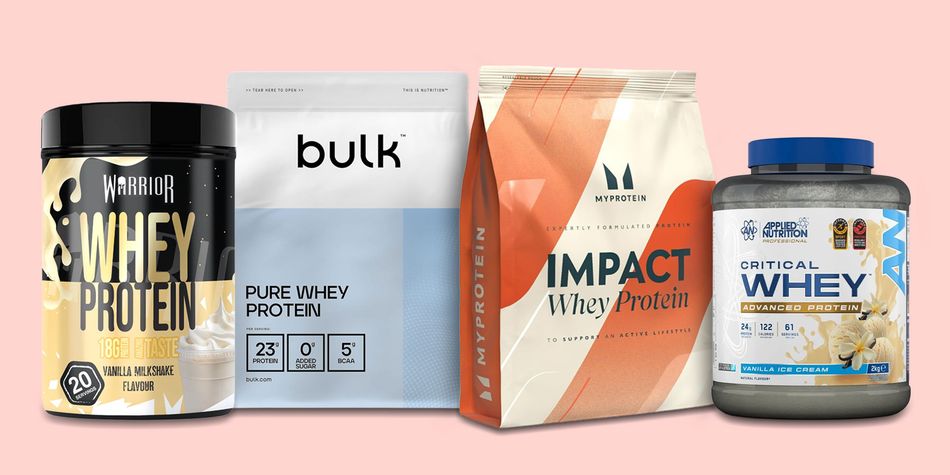
What to do instead Try to get your protein from natural food sources (like eggs) or choose a protein powder with as few additives and fillers as possible. See our reviews of the best protein powders.
4. Vegetable crisps

When you're browsing the crisp aisle, it's easy to assume a product emblazoned with pictures of beetroot and parsnips must be a healthier option.
But this isn't always the case. Just like potato-based crisps, those made with other vegetables need to be deep-fried or baked in oil to become crispy. This process can actually lead to higher fat and salt levels than in standard potato crisps, because some vegetables like carrots or parsnips can absorb more oil.
Don't get too hung up on baked vs fried either. Our recent analysis of the healthiest crisps revealed that some fried crisps were healthier than baked versions.
What to do instead Like the potato kind, view them as an occasional treat rather than a substitute for actual vegetables. For alternative snacks with crunch, try air-popped popcorn, roasted chickpeas or roasted broad beans – all good options for higher fibre too.
5. Fruit juice

Much like smoothies, downing a quick fruit juice might seem like a simple shortcut to your five a day. But even '100% pure' juice misses the most important part of the fruit: the fibre. This is why, unlike when you eat whole fruit, the natural sugar content in juice is classed as 'free sugar' and contributes towards your max recommended sugar allowance per day.
Juice is easy to overconsume, resulting in a high intake of free sugar, which can spike your blood sugar levels. Over time, consistently overdoing it can increase your risk of type 2 diabetes, studies have shown. It can also damage your teeth.
Plus, juice (or smoothies) can only count towards one of your daily fruit and veg count, however much you drink. And 150ml is the max recommended amount.
What to do instead If you can't give up your morning juice, make sure you have it with a meal and stick to smaller glasses. Where possible, opt for whole fruit instead.
For on the go, there are water bottles with flavoured pods for added incentive – see our reviews of the best water bottles, including our verdict on the Air Up.
6. Granola

Anything packed with all those nuts and seeds and fruit feels like it ought to be good for you. But while granola can be a healthy, nutrient-dense food, it can also be high in sugar and unsaturated fats.
To make those delicious crunchy clusters, oats are usually coated in oil and syrups like honey, maple or agave, and then baked. That makes them calorie-dense, and many people then end up pouring out a bowl that’s three or four times the recommended serving size.
What to do instead Be mindful of your portion sizes. Use granola as a 'sprinkle' on top of yoghurt and fruit. And watch out for lots of added extras. Simpler mixes with nuts and dried fruit are generally a better bet than highly flavoured ones.
Is this the right way to start the day? We've ranked the healthiest – and least healthy – mueslis
7. Cereal bars

You'll see them sold as a ‘breakfast on the go’, but cereal bars can be ultra-processed and high in sugar.
While some may claim to have no added sugar, they can contain sneaky workarounds such as apple juice or other forms of sugar – agave syrup, maple syrup and honey all count. Some contain puffed rice or corn, which have a very high glycemic Index (GI). Others have coatings like chocolate or salted caramel – and more calories than a Mars bar.
As with all these products, it’s healthiest to regard them as occasional treats rather than as meal substitutes or regular breakfast options. They also lack the ‘satiety’ (the feeling of being full for longer) of healthier options, meaning you’ll probably feel hungry again in an hour.
What to do instead If you need the convenience of a bar, look for 'cold-pressed' nut and fruit bars or oat-based versions. While these may still be naturally high in sugar from the dried fruit, they contain more fibre and healthy fats, too. This means the energy is released more slowly, preventing the sugar crash associated with refined syrups and puffed grains.