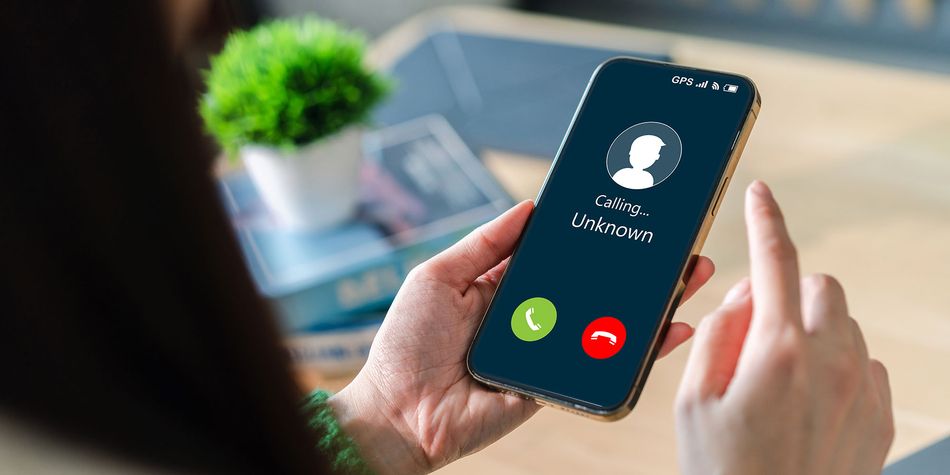
Scam calls: the latest in circulation and how to stop them

Tali writes about scams and consumer rights for Which? delving into fraud, technology and consumer rights topics to keep readers safe and empowered.

Digital security company NordVPN has found that three quarters of Brits received a scam call last year, and three in 10 feel unsafe because of scam calls and messages.
Scam calls have been getting increasingly sophisticated. Earlier this year, we reported on a scam uncovered by National Trading Standards where fraudulent payments were being set up after a cold call managed to clone voices using AI. The scam operated under the ruse of a 'lifestyle survey', which is likely to have allowed the scammers to set up key questions to reveal essential information to access accounts.
AI-enabled scams are prevalent in 2026. Spam and fraud call protection company Hiya found that almost one in three respondents in a global survey reported receiving a deepfake voice call (where the caller uses AI to create a sophisticated fake), in the past year.
It also found that the British survey respondents had an average of £784 stolen by a phone scam.
Here, we look at phone scams to watch out for right now and explain how to stay safe.
Phone scams
Sky impersonation scam
This cold call claims to be from Sky and says you are eligible for a 30% discount on your subscription. The caller goes on to ask if there have been any issues with Sky's service and how much they pay each month.
It's an attempt to keep you on the phone long enough to get you to reveal personal and financial details.
Job scam
Common reports of this scam involve a voicemail message claiming to be from job platform Indeed.
The voicemail message says that the caller is from Indeed human resources and that they’d like to discuss a job opportunity, and asks the recipient to add their number.
HMRC impersonation
This is typically a call claiming legal action for a letter being sent and instructing the recipient to 'press 1 to speak to an adviser'. The call comes from a spoofed UK mobile number.
One recipient of an HMRC scam call reported a scam caller claiming to be from HMRC, telling them that their identity and bank accounts had been cloned, and that thousands of pounds had been taken from their account.
Bank impersonation
Bank impersonations are common, and you should always be wary of a cold call claiming to be from your bank.
There are numerous reports of Barclays impersonation calls. The caller says that an unauthorised payment for hundreds of pounds at Argos has been declined and says that if you didn’t attempt to make the payment, 'press 1 to speak to an adviser'.
‘A Lloyds Bank scam call referenced legit emails and texts’
Rhys Hornett-Evans received a phone call claiming to be from Lloyds Bank, asking about fraudulent transactions on his account.
‘During the call, the scammer referred to emails that were arriving at the same time, which were genuine verification emails to set up a Startselect account. The scammer convinced me that these emails were being generated by fraudsters who had already started taking money from my account,’ Rhys told Which?.
The scammers had his email address and were attempting to create an account with a gift card company called Startselect, which triggered genuine account verification emails.
The fraudster on the phone claimed that they were going to reverse the fraudulent charges and asked Rhys to read out the legitimate one-time passcode as it arrived via text from Lloyds Bank.
The scammer was attempting to log in to Rhys’ online banking account, and this had triggered the legitimate text message. The legitimate text and emails had all added to the theatre of the scam.
‘The call lasted around 20 minutes. Looking back, much of what the scammer said was clearly designed to keep me on the phone. They claimed my wi-fi may have been hacked, gave me supposed 10-character codes which they said were Financial Conduct Authority reference numbers and asked me to read these back, and asked about any other accounts I held,’ Rhys recalled.
Ultimately, Rhys had £225 stolen, but was reimbursed by his bank.
How to avoid and report scam calls
Scam and spam calls can be a nightmare, but there are ways to reduce these calls and protect yourself from scammers.
Follow our top five tips to avoid scam calls:
- Avoid answering the phone to unrecognised callers, follow our guidance on how to screen and prevent scam and spam calls.
- Never disclose your personal financial information over the phone to cold caller. Always verify the call by contacting the organisation yourself using trusted contact details.
- If you think you've been called by a scammer, you should end the call and wait at least 10 to 15 minutes before using the same phone line. This is because scammers can keep the line open for a period of time after the call has ended.
- Register with the Telephone Preference Service (TPS). This will prevent legitimate companies from making unsolicited sales and marketing calls to your phone number, so when you receive a call, you'll know a scammer is on the other end of the line.
- Call 159 if you receive a call claiming to be from your bank. When you call, you'll be put through to your bank's genuine customer service line. You can see a full list of the members, including any new companies that become members on the scheme's website.
You can also report scam calls. On an iPhone, you can report scam calls by texting the word ‘call’ followed by the phone number to 7726. On an Android phone, text the word ‘call’ to 7726. You’ll then receive a message asking you for the scam number.
For scam calls received through WhatsApp, open the WhatsApp chat with the dodgy phone number and tap 'block.' You can report the contact by tapping 'report contact' and 'block'.
All scams can be reported to Report Fraud or Police Scotland by calling 101. If you've had money stolen as a result of a scam, contact your bank immediately.