Spam and scam calls soar – here are 7 tactics to avoid

Chiara is an award-winning investigative reporter who specialises in banking and fraud, joining Which? in 2015 following six years as a personal finance journalist at a national newspaper.

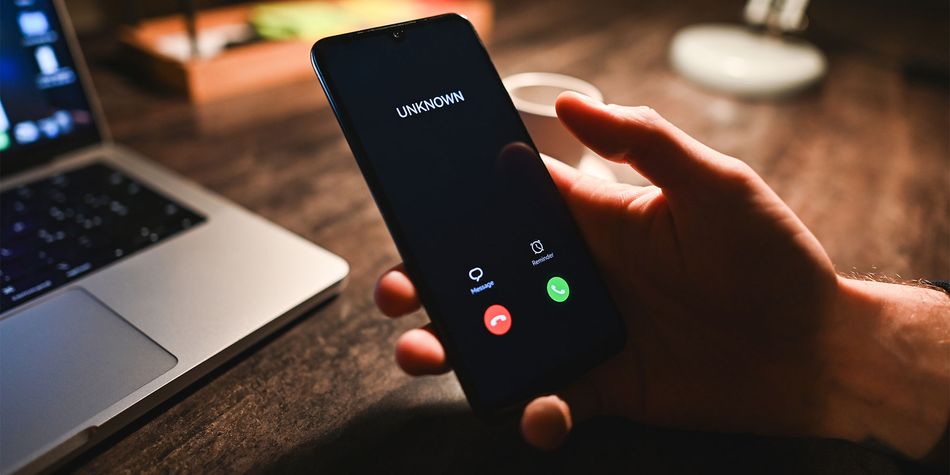
Nuisance ‘robocalls’ have surged to a five-year high, while fraudsters continue to bombard households with fake bank alerts, bogus delivery messages and dodgy sales pitches.
While some unwanted calls are merely irritating, others could cost you thousands. The data regulator has flagged growing concerns about scam callers convincing people to join WhatsApp groups, share personal information or engage with fraudulent schemes.
Here, we uncover seven tactics scammers are using right now, based on real reports from the public, and explain how to stop them.
Dramatic spike in spam calls to mobiles
Ofcom says automated, pre-recorded marketing calls are illegal in the UK unless you gave that company your explicit consent beforehand.
Yet complaints about unwanted robocalls reached the highest level since 2021, according to the Information Commissioner's Office (ICO), up from 1,374 in July to 3,684 in September.
The sharp rise in these AI-enabled calls has been described as ‘only the tip of the iceberg’, as many incidents aren’t reported.
Wider ICO data reveals that while nuisance calls to mobiles have increased dramatically by more than 170%, from 1,923 in May 2026 to 5,202 in October, spam calls to landlines have remained broadly stable over the same period (from 1,707 to 1,644).
Parallel data from trueCall – which monitors and blocks scam and spam calls to landlines – shows that more than one in three incoming calls (84,694 of a total 247,982) were flagged as nuisance or suspicious in September 2026 (based on 6,500 active trueCall users).
These unwanted cold calls to landlines were driven by five main sectors:
- Three in 10 were related to telecoms.
- One in seven were related to energy and smart meters.
- One in 10 were linked to telemarketing.
- Parcels accounted for 5%.
- Home appliance warranty also accounted for 5%.
Which? has investigated predatory callers selling overpriced, redundant home-appliance cover since 2018, regularly hearing from distressed families whose elderly relatives have been pressured into spending thousands of pounds on useless policies.
Cold callers and scam networks
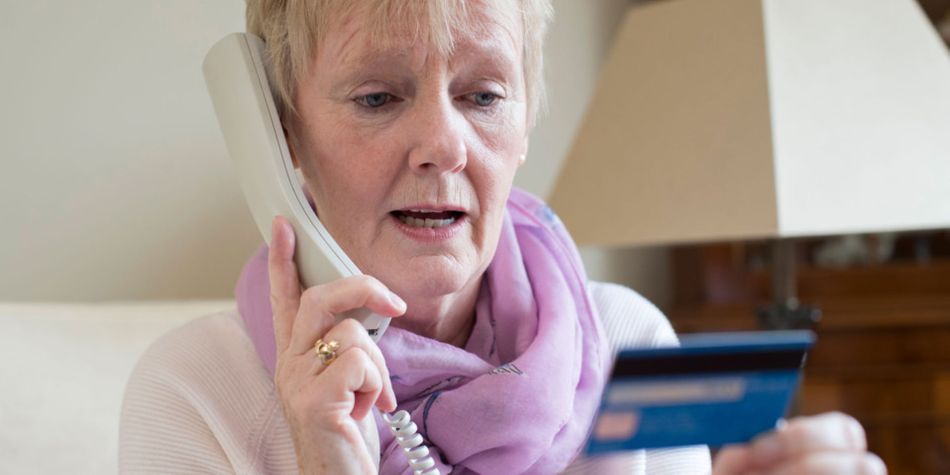
Beyond dodgy marketing calls, fraud networks make unsolicited calls to harvest sensitive data such as card details and one-time passcodes, which unlock bank accounts.
More than 1,400 fraudulent calls were logged in the year to September 2026 via the Which? scam sharer tool. Victims of these scams reported a combined total of more than £241,000 stolen.
Cryptocurrency schemes, bogus product offerings and fake ‘fraud recovery’ services accounted for the largest sums taken.
Scammers may spoof the caller and sender ID of familiar companies to make it much more likely you’ll answer. We know this is effective – when Which? surveyed 1,501 UK adults who had had money stolen via fraud in the past two years, we found that six in 10 victims of phone or text scams said it involved number spoofing.
- Find out more: What is a recovery scam?
7 common scam call tactics exposed
We analysed recent reports to our Which? scam sharer tool data to identify recurring themes, tactical patterns and impersonation methods.
- Bank and card security alerts Automated recordings or live callers claim to be from the fraud department of major institutions (prominently Barclays, HSBC, John Lewis Financial Services, Lloyds and Visa). They alert you to a bogus suspicious transaction (frequently citing Amazon, Currys, train tickets or luxury hotel bookings), asking you to ‘press 1 to cancel’ or open your banking app to approve a pending transaction.
- The ‘can you hear me?’ trap A voice asks ‘can you hear me?’ or ‘are you there?’ to trick you into saying ‘yes’ before the call disconnects. This tells scammers that your phone number belongs to a real, live person, but also raises concerns that recorded voice samples could be cloned.
- Recruitment robocalls Pre-recorded voice messages offer part-time or flexible work opportunities, asking you to add their number to WhatsApp and other encrypted messaging apps to find out more.
- Telecom account takeovers Posing as providers such as EE, O2, Sky and Three, callers claim that your Sim card has been compromised or promise discounts on monthly bills to hijack accounts.
- Energy supplier scams Callers falsely represent suppliers such as British Gas, EDF and E.on Next, claiming your smart meter is sending incorrect readings so they can steal bank details or account details. Others pose as ‘local area energy advisers’, selling unsolicited insulation or solar installations.
- Shareholder and boiler room scams Fraudsters contact shareholders offering to buy stock significantly above market value. They may send authentic-looking documents before demanding upfront administrative fees to ‘release funds’.
- International delivery robocalls Automated recorded calls, this time impersonating the likes of DHL, Royal Mail and even border authorities, claim an incoming package has been intercepted, for example due to illegal contents or unpaid customs duties.
How to beat nuisance and scam calls
There are built-in features designed to block or filter scam calls on iPhones, Android and landlines, so take a moment to set them up before the next nuisance call comes through.
The ICO also shared four simple tips:
- Don’t answer – if you don’t recognise the number calling you, or the number is withheld, you don’t have to answer.
- Register your landline or mobile number with the Telephone Preference Service (TPS) free of charge. The TPS is a register of people who have said they don’t want to receive marketing calls.
- Report any nuisance calls that you continue to receive to the ICO using its online reporting tool. Complaint data helps investigators to identify trends, gather intelligence and take action against organisations that break the law.
- Refer complaints about fraud and scams to Report Fraud or Police Scotland (by calling 101), complaints about a business’s practices to Trading Standards through Citizens Advice, and complaints about silent or abandoned calls to Ofcom.
Which? surveyed 1,501 adults in the UK who had had money stolen via fraud in the past two years. Fieldwork was carried out online by Deltapoll from 1-12 June 2026, and the final data has been weighted to be representative of victims of fraud in the UK population (aged 18+).