Health? or Hype?
Make the right choice with recommendations you can trust, backed by expert testing.
Explore health recommendations
Hannah has dedicated her career to understanding what matters to consumers, and writes practical, trustworthy advice to help people spend wisely and make everyday life easier.

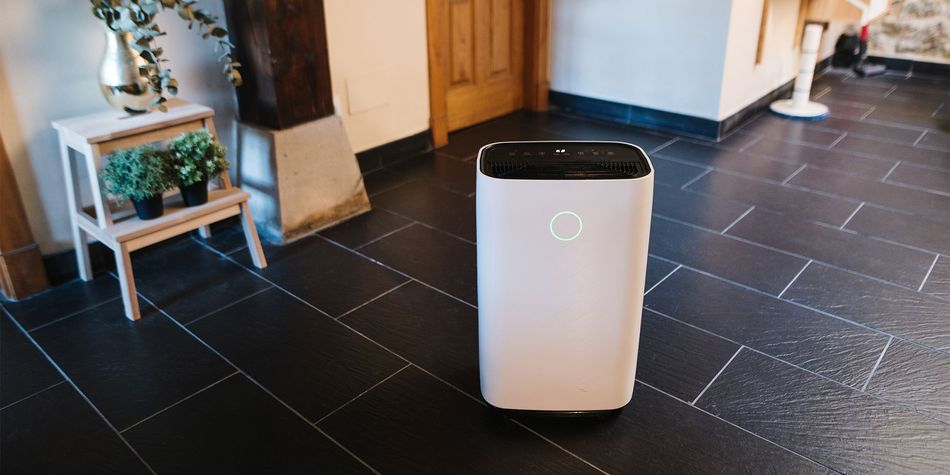
Air purifiers and dehumidifiers are popular appliances for creating a comfortable, healthier home.
While they look similar, they have different purposes. Buying the wrong one won't just waste your money – it will also leave your problem unsolved.
Whether you're dealing with damp walls, dust, pollen or pet hair, Which? independent reviews and buying advice can help you choose the right model for your needs.
Below, we reveal the pros, cons and key differences, as well as expert tips to help you get the most out of your air purifier or dehumidifier.
Air purifiers remove pollutants and particles, circulating clean, purified air back into your home.
To do this, fans draw air into the purifier via a grille, passing it through a pre-filter to remove larger particles, such as hair and dust. Air also passes through another filter, often a high efficiency particulate air (HEPA) filter, which removes smaller particles such as pollen.
In addition to this, some air purifiers have a carbon filter to help remove stubborn smells, while others use UV light technology and an ioniser, which are claimed to tackle mould and mildew.

By combining an effective air purifier with preventive measures – such as regular vacuuming, keeping windows closed and stopping pets from entering your bedroom – you could alleviate allergy symptoms while you're indoors.
In addition, a reliable model can prevent mould spores spreading throughout your home. However, you'll still need to address underlying causes like excess humidity.
Some virus particles fall within the particle-size range (0.01 microns and larger) that HEPA filters capture. This means that an air purifier could trap viruses if it has a HEPA filter with 99.95% efficiency.
Crucially, though, it depends on the type of HEPA filter, the size of your room, the condition of the filter and frequency of air changes.
Although we've uncovered excellent Best Buy air purifiers, we've also found downsides to some air purifiers we've tested, including higher energy use, increased noise on the highest settings and awkward controls.
We've independently reviewed air purifiers from Dyson, Levoit, Philips and more brands to find out which ones will improve the air quality in your home quickly, without being too noisy or using too much energy.
You can compare the prices of three popular models we've tested below:
See our guide to the best air purifiers for our top recommendations and expert buying advice
Dehumidifiers remove excess moisture from the air and reduce humidity levels in the home.
There are two main types:

By removing moisture from the air, dehumidifiers can help to control damp, mould and mildew growth on walls and ceilings. They can also reduce condensation on windows, as well as musty odours that thrive in moist conditions.
If you don't have a tumble dryer, or it's too cold to hang wet clothes outdoors, they can be useful for drying laundry indoors more quickly. This is because they remove the moisture that evaporates into the air during the drying process.
Some have dedicated laundry settings, but it is possible to use any dehumidifier to dry clothes. In fact, many laundry settings simply increase the power to maximum for a set time. Find out more about the best and cheapest ways to dry clothes indoors.
Dehumidifiers aren't hugely expensive to run either, but long-term use can increase your energy bills. We've also found that some models are particularly noisy and difficult to use, which is why we recommend checking our reviews before you make a purchase.
We've rigorously tested dehumidifiers from Ebac, Meaco, Pro Breeze and more brands to find out which ones can effectively tackle damp and mould in your home – without being too noisy or using too much energy.
You can compare the prices of three popular models we've tested below:
See our guide to the best dehumidifiers for our top recommendations and expert buying advice
| Appliance | What they do | Best for |
|---|---|---|
| Air purifiers | Eliminate dust and allergens to improve the indoor air quality of your home. | Homes with pets and people with allergies or asthma. |
| Dehumidifiers | Reduce moisture in the air to prevent mould and mildew. | Homes with damp and mould. They're also useful for spaces with higher humidity levels, such as bathrooms and laundry rooms. |
From multi-functional kitchen gadgets to discreet smart tech, discover 10 small appliances that make a big difference

While both appliances can make your home feel more comfortable, they can improve your health in different ways.
An air purifier can relieve health symptoms triggered by airborne particles or things you breathe in, such as pollen, dust or pet hair.
On the other hand, a dehumidifier can reduce health concerns caused by damp, mouldy and humid living conditions.
Make the right choice with recommendations you can trust, backed by expert testing.
Explore health recommendationsDehumidifiers are slightly cheaper on average, costing between £100 and £300, while air purifiers can be more expensive, ranging from £150 to £550.
Best dehumidifier deals: we've searched the sales to find top offers on genuinely good products

It's difficult to compare costs as dehumidifiers are typically only used during colder, damper months, while air purifiers may be used throughout the year.
In fact, the running costs of dehumidifiers vary, depending on energy efficiency.
The average running cost of our Best Buy dehumidifiers is around 7p per hour, with the most efficient among them costing as little as 3p per hour to run. The least energy efficient dehumidifiers we've tested cost you around 17p per hour.
Similarly, air purifier running costs depend on the specific model. Our tests have found it's as little as £6 and as much as £45 per year in running costs.
How much do your appliances cost to run? We reveal the running costs for tumble dryers, dishwashers, fridge freezers and other appliances
If you're looking to improve both the air quality and humidity levels in your home, you can use an air purifier and dehumidifier at the same time.
Patrick Gallagher, Which? air purifiers and dehumidifiers expert, says: 'To get the best out of your air purifier, keep it at least 20-30cm away from walls and furniture to ensure maximum airflow.
'You should also vacuum your dehumidifier's dust filter every few weeks to protect the internal coils and maintain efficiency.'
Find out more about how to get the most out of your dehumidifier

Where possible, dehumidifiers are best put on a landing with all room doors left open. This enables it to effectively reduce the humidity levels throughout your home.
If you're using one to dry clothes, it should be placed in the same room with the door closed. Read our expert tips on using a dehumidifier to dry laundry.
Similarly, if you have a localised damp problem, you should place the dehumidifier in the room you want to target. Find out more about how to get rid of damp.
In contrast, air purifiers are not powerful enough to purify air throughout the whole house. To save you moving it from room to room, we recommend placing your air purifier where you spend most of your time at home.
8 hand-picked home bargains our experts love: we reveal appliances that deliver without breaking the bank

While appliance use varies depending on needs, it's often recommended to use dehumidifiers continuously throughout the day.
Dehumidifiers have a humidistat. When they're in the selected humidity range, they will cycle off and only turn back on when the humidity levels rise again. This means that they won't be running constantly, despite the appliance being on.
Those who need allergen-free air will also benefit from keeping an air purifier on constantly. This is because poor air quality can return fairly quickly after turning off an air purifier.
However, some models can be programmed to cycle on or off, which means you could save money while still maintaining higher air quality.
Some air purifiers and dehumidifiers come with sensors for air quality and humidity, which can be used to monitor the air in your home. The devices will switch on and off as needed, although a small caveat is that the sensors are not always 100% accurate.
10 ways to save on energy bills: we reveal effective ways to make your home more energy efficient

'If you're battling pollen or dust, an air purifier can be a lifesaver, though you do have to factor in the cost of replacement filters and remember it won't do a thing for dampness.
'Dehumidifiers, on the other hand, are absolute champions at wiping out condensation, mould and indoor laundry-drying struggles, though they tend to be a bit noisier and heavier on your electric bill.
'Ultimately, both are worth buying – it just comes down to whether you're trying to clear the air you breathe or dry out the room you're in.'
Patrick Gallagher, Which? air purifiers and dehumidifiers expert