Health? or Hype?
Make the right choice with recommendations you can trust, backed by expert testing.
Explore health recommendations
25+ years’ experience in wellbeing and beauty journalism, covering everything from product testing to evidence-based advice.

Bowels feeling a little sluggish? You’re not alone – even if not everyone likes to talk about it.
Despite how common digestive issues are, many of us still feel awkward discussing our bowel habits. The British Dietetic Association says ‘poo chat’ remains taboo for many, with around one in five people too embarrassed to even raise having constipation with their GP.
To cut through the embarrassment – and help you get things moving – we spoke to Laurence Lovat, Professor of Gastroenterology at University College London, NHS Foundation Trust and Director of the London Gastroenterology Centre, about tips for healthy bowel movements.
From why some ultra-processed foods can slow your gut to whether probiotics genuinely help, we explain how to keep your bowels healthy, and when it’s worth seeking help.
Plus, the simple breakfast habit and diet tricks the professor relies on to keep his own digestion on track.

Dr Laurence Lovat is Professor of Gastroenterology at University College London, NHS Foundation Trust and Director of the London Gastroenterology Centre.
He has treated over 10,000 patients and has extensive experience in endoscopy and a particular interest in managing indigestion, acid reflux and IBS.

Why your bowel movements change as you age

'Foods high in fibre are key to regular bowel movements. For regularity, think particularly of seeds, nuts, dried fruit, popcorn and leafy greens. These contain high levels of insoluble fibre,' advises Professor Lovat.
'There are two types of fibre, soluble and insoluble. Insoluble fibre bulks the stool and speeds transit through the gut, helping people be more regular. Soluble fibre softens the stool and makes it easier to pass. Both types of fibre also support the growth of healthy gut bacteria.'

'Eating around 2-3 kiwis per day have been shown in trials to improve stool frequency and ease of passing with less bloating than prunes (which can have unwelcome effects for some).'
This might not be very realistic for your everyday diet, though – other good options include papaya, small portions of fresh pineapple and ripe bananas, advises Prof Lovat.
Make the right choice with recommendations you can trust, backed by expert testing.
Explore health recommendations
UK government guidelines recommend a daily intake of 30g of fibre. 'Most adults eat less than 20g daily,' says Prof Lovat.
To get closer to your recommended intake, here are some higher fibre options that Prof Lovat recommends:
Breakfast: Shredded Wheat, wholegrain toast, porridge oats with chia seeds and banana or raspberries.
Lunch: Baked potato with beans, or a wholemeal wrap with hummus, beans and shredded veggies like carrots and spinach.
Dinner: Mixed vegetable curry, stir-fry, peanut stew or a teriyaki root vegetable salad with wholegrain rice, topped with mixed seeds.
Snack: Apple or a pear with peanut butter or a small handful (around 10) almonds. Air-popped corn, or trail mix.
6 of the best high-fibre ways to kick-start your day – quick and easy breakfast ideas

'Fermented foods often contain high levels of Lactobacillus and Bifidobacterium bacteria. These may be good for general gut health' says Prof Lovat.
'Fermented shredded cabbage (sauerkraut) is also high in fibre and has a more diverse set of bacterial strains. Though levels and strains vary widely between products (which makes it hard to do definitive research), it's believed they can help to support a healthy gut microbiome.'

Professor Lovat says: 'Nothing works for everyone. However, around 29% of people found that coffee triggers the gastrocolic reflex (prompting the urge to have a bowel movement).
'It can occur within minutes of drinking both caffeinated and decaffeinated coffee, and the effect lasts for about half an hour.'

It's important to stay well-hydrated and this also supports healthy bowel movements. Dehydration can lead to constipation.
'This is particularly important if you are older (when it can be harder to tell if you are thirsty), exercising heavily, or when the weather is hot', advises Prof Lovat.
'An easy way to tell how hydrated you are is to check the colour of your urine: pale yellow means hydrated; dark yellow means you probably need more fluid.
'Remember that all fluids count, so if you eat a lot of fruit, you may need to drink less. There is no magic number, but around 1.5 litres per day in the UK is appropriate for many adults, depending on age, activity level and health.'
How much water should you drink? And simple ways to stay hydrated
'UPFs are often low in fibre and high in fat and sugar content. All these factors may slow gut transit and reduce diversity of the gut microbiota, which has been linked to metabolic issues in some studies.
'And some emulsifiers, such as polysorbate 80, have been shown to alter gut barrier function in animal and cell studies.
'On food labels, it usually appears as ‘polysorbate 80’ or ‘E433’. These effects have mainly been demonstrated in experimental models, so further research is needed to understand their relevance to humans.
'Carboxymethyl cellulose is another very widely used emulsifier that may contribute to low-grade intestinal inflammation,' says Prof Lovat.
You can find it in things like processed meat, salad dressing, canned soup, and processed cheese.
Carboxymethyl cellulose may appear on ingredient lists as:
Reducing how much ultra-processed food you eat in favour of minimally processed whole foods such as more fruit and veg should help.
Are all UPFs bad for you? Get our expert assessment on UPFs in our podcast episode
Don't get sucked in by persuasive social media adverts. It's better to integrate more fibre into your diet in the form of whole foods rather than supplements as much as possible, and suddenly adding a lot of fibre in the form of a supplement can have unintended consequences. It may also not be suitable for people with some bowel conditions, so check with your GP first.
However, if you do need a little extra help, Prof Lovat recommends psyllium husk, as it has been shown to help some people with both constipation and loose stools.
'Both psyllium husk and inulin are generally considered safe and commonly used for improving gut health and bowel function. However, although inulin improves gut microflora, it may also cause gas, bloating, abdominal cramps, and loose stools or diarrhoea.'
As with any dietary change, start small and build up slowly.

'Yes, probiotics may help restore balance in gut bacteria, which is a frequent issue among people with constipation,' says Prof Lovat.
'They help promote short-chain fatty acid production, which may enhance bowel contraction and movement through the gut. They also strengthen the gut barrier. Lactobacilli and Bifidobacteria appear to be the key bacteria, with Bifidobacterium lactis noted as particularly beneficial for some.'
Best probiotic supplements: brands including Boots, Holland & Barrett, Optibac and Symprove reviewed by nutrition experts

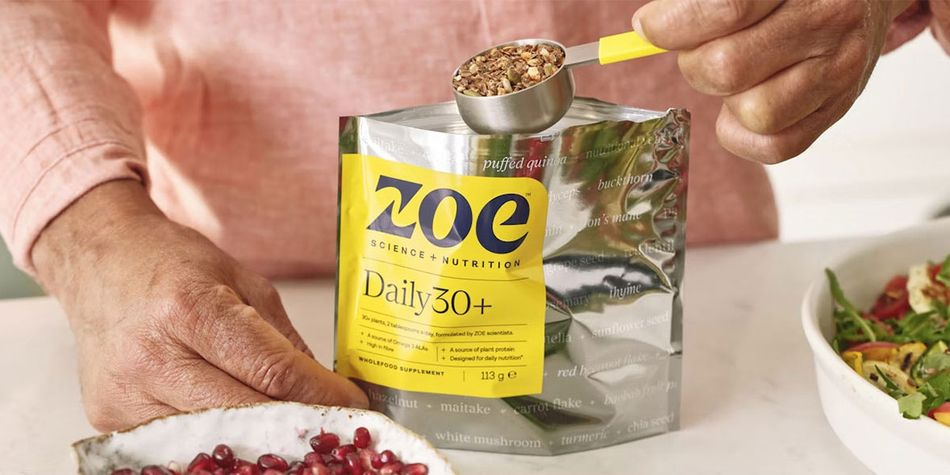
'One of the simplest ways to improve gut health in most people is to aim to eat 30 different plant products each week' says Prof Lovat. 'This includes fruit, vegetables, wholegrains, legumes, nuts, seeds, herbs, and spices, as well as coffee, tea, and dark chocolate (at least 70% cocoa).'
Prof Lovat adds: 'I eat a homemade muesli which is low in sugar and contains at least 10 different grains and seeds, with banana, grapes, and berries for breakfast. Delicious, healthy, and great for my digestion!'
Find out what you need to know about weight loss jabs and supplements in our podcast episode
The Bristol Stool Chart is a quick, widely used tool that helps doctors and patients describe and track stool form, particularly in constipation, diarrhoea and IBS. Developed in the 1990s at Bristol Royal Infirmary, it’s now standard in gastroenterology.
It's a useful guide if you're unsure what's up with your bowels, but remember it’s only one part of assessing bowel health, not a complete picture.
If you notice changes in your usual bowel habits, it’s important not to ignore them. Persistent changes in frequency, consistency, or blood presence should be checked by your GP, especially if they last three weeks or more. If your stool is black or dark red, or you have bloody diarrhoea, contact 111 or ask your GP for an urgent appointment.
Further information can be found on the NHS advice guide for rectal bleeding.
This article is for general information only and should not replace medical advice from your GP or healthcare professional.