Where to next?
Discover inspiring destinations, recommended by our in-house travel experts. Know the best places to go, who to book with and how to pay less.
Join Which? TravelBy clicking a retailer link you consent to third-party cookies that track your onward journey. This enables W? to receive an affiliate commission if you make a purchase, which supports our mission to be the UK's consumer champion.

An Orwell prize-nominated investigative journalist, Kate lives in Portugal and covers news, travel rules, tourist taxes and visas.

If you’re booking a trip soon, or already have a holiday in the diary, you may be feeling worried about disruption this summer.
But there’s plenty you can do to protect your plans, and your money, starting today.
Over the past few months, flights have been delayed or cancelled due to closed airspace and airports in the Middle East.
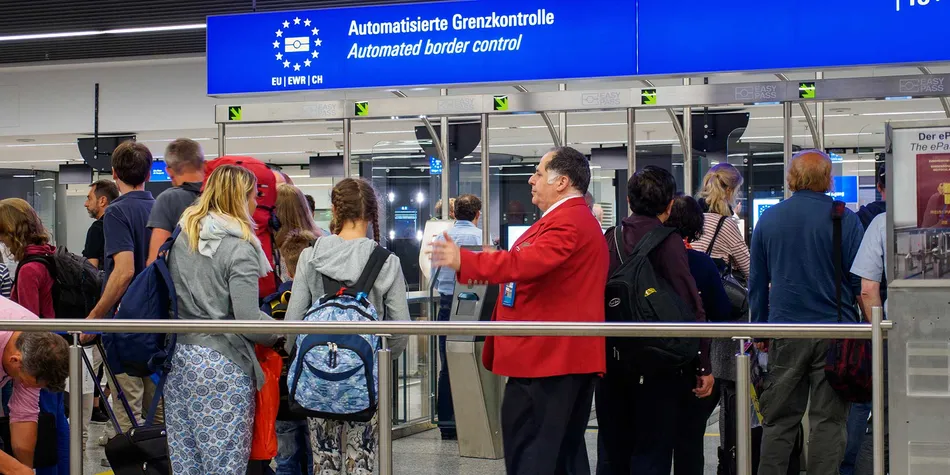
Closer to home, the roll-out of Europe’s new biometric border checks has also caused chaos for British travellers in several countries.
Read on for eight mistakes you should avoid if you’re travelling this year.
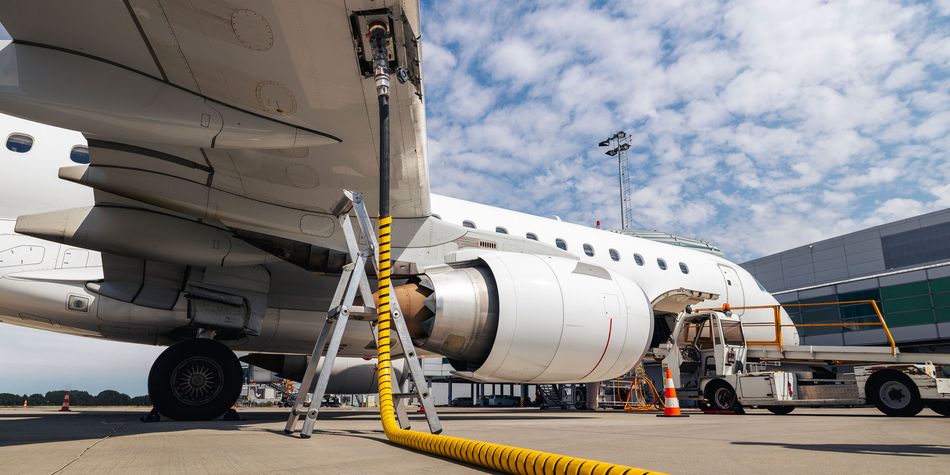
You’d be forgiven for thinking the price you book a holiday for is the price you’ll end up paying – especially if you’ve parted with a deposit, or even paid in full. But as the price of jet fuel surges, holidays may become more expensive, even if they’re already booked.
UK holiday firms can legally, in some cases, add up to 8% to the cost of your package holiday without giving you the right to free cancellation – and that includes when fuel prices increase.
But you can protect yourself by booking with a holiday company that’s a Which? Recommended Provider, as all of these companies have pledged no unexpected costs for your holiday.
Find out which companies made this commitment in our guide to the oil crisis and what it means for holiday prices.
Discover inspiring destinations, recommended by our in-house travel experts. Know the best places to go, who to book with and how to pay less.
Join Which? TravelIf you’re concerned about disruption, resist the urge to cancel flights, as doing so waives your rights to potential refunds, compensation and other assistance under EC261 regulations. Instead, hold your nerve and wait for the airline to cancel your flight for you, before requesting a refund.
The same goes for accommodation: don’t cancel. Instead, get in touch with the host or hotel via the booking platform’s chat function, or give it a call. Sometimes, accommodation providers may use their discretion – one Which? travel expert managed to avoid losing hundreds of pounds on a hotel stay amid disruption by picking up the phone.
Read more about your rights amid flight disruption.
Every day you procrastinate on buying travel insurance for an upcoming trip is another day you risk losing money if something goes wrong before you travel. It’s simply not worth the risk – especially as policies rarely get cheaper closer to your travel dates.
Decent travel insurance from a reputable provider will cover you for unforeseen circumstances, such as your holiday company going bust or travel warnings being issued for your destination. But most policies have a ‘known event’ clause, which means you aren’t covered for anything that’s already happened.
So, buy travel insurance as soon as you’ve booked a trip – that way your money is better protected from day one.

Find a great deal at MoneySuperMarket, one of our trusted partners
Compare dealsWhich? earns commission to fund its not-for-profit mission if you buy a product
Many hotels and short-let booking platforms offer cancellation for a full or partial refund, sometimes up until just days before check-in. If you find a reasonably priced stay on a reputable platform offering this sort of flexibility, it could prove useful if your trip is disrupted later down the line, and you aren’t eligible for compensation from the airline or reimbursement via travel insurance.
That said, you’re even better protected if you book your trip as a package holiday with a top-rated provider – read our guide to the best holiday companies to learn more.
As overtourism becomes more commonplace, many destinations have introduced fees to stem the tide of travellers across Europe, and in some cases further afield. These can be extra overnight taxes added to hotel costs, port disembarkation fees added to cruise ship and ferry fares (commonly seen on popular Greek islands), or landing fees for those arriving by plane, added to flight tickets.
Some destinations are even charging non-residents fees to enter attractions – visiting a single national park in the USA will cost a UK traveller $100 (approximately £74) per person, or $250 (approx $185) for an annual pass.
Read our guide to tourist taxes in 2026 to avoid nasty surprises on your next holiday.

You might have heard of seat-bumping, where airlines that have overbooked flights offer incentives to travellers to volunteer to give up their seat and hop on to a later flight instead. But lately, we’ve seen airlines asking passengers to volunteer – often pre-emptively – for sums of money far below what they’d be entitled to in compensation if bumped involuntarily.
What’s more, volunteering means waiving your right to other help while you wait for your next flight, meaning hotel stays and food and drink could come out of your own pocket, costing potentially hundreds or thousands of pounds.
As a rule of thumb, it’s usually safest to keep your seat – especially this summer, as flight disruption is likely to hit a high.
This summer, I’ll be arriving at the airport no later than two hours before flights, even if they’re short-haul, and even if I don’t have a checked bag.
The EU’s new biometric checks at the border for those entering and exiting the Schengen zone are currently causing chaos in some airports, and it’s difficult to predict when you may be affected.
What’s more, with airspace closures and restrictions, along with the threat of airport and airline strikes this summer, airports may become busier still. That’s why I’ll be giving myself plenty of time to make it through security and passport control, arriving earlier still if I have a bag to check, and steering clear of self-transfers with short transit windows.
Time and time again, we hear about British travellers who fall victim to scams after a convincing phone call, email or SMS prompts them to pay to settle a holiday or hotel booking.
The scammer may convincingly impersonate a holiday company, platform, or accommodation host and lure travellers into providing payment details or transferring large sums of money to ‘secure’ or settle the booking.
If you receive an email prompting you to pay, remember you can always head to the company website yourself instead. Log in, or look up your booking with the reference number, and check for yourself to see if there’s a bill to be settled.
If you receive an incoming call regarding booking or paying for a trip, hang up without responding (as some scammers now use voice imitation software). Look up the company’s phone number online and call them back – any reputable travel company will be understanding and happy to reassure you if the call was legitimate and wait for you to call back.