Health? or Hype?
Make the right choice with recommendations you can trust, backed by expert testing.
Explore health recommendations
With more than 25 years' experience in lifestyle journalism, Ceri cuts through the hype to uncover the truth behind health and nutrition claims.

Remember the days when you could eat whatever you liked with zero consequences? No bloating, no urgent need to dash to the loo – and no worries about getting bunged up if you eat too much fast food and not enough fibre.
As we approach midlife, many of us discover that our digestions don't run as smoothly as they used to thanks to a combination of prescription medication, hormonal changes and reduced activity – often due to demanding jobs and busy lives.
Luckily, many of these changes aren’t inevitable, so we asked gut-health scientist Dr Megan Rossi and nutritionist Emma Bardwell for some tips on how to keep things ticking over.

Dr Megan Rossi is a renowned gut-health scientist with an award-winning PhD in probiotics. She is a Research Fellow at King’s College London and the founder of The Gut Health Clinic.

Emma Bardwell is a registered nutritionist and specialist in midlife nutrition, gut health and sustainable weight management. She is the author of The 30g Plan, The Fibre Effect and The 30g Plan Cookbook, and is known for her evidence-based, realistic approach to healthy eating.

It’s not uncommon for bowel habits to change with age, and constipation is one of the most common afflictions. According to the NHS, constipation affects around one in seven adults of all ages. It’s twice as common among women, and affects about a third of pregnant women and people over the age of 60.
However, we can’t blame this entirely on the ageing process, as there are usually some lifestyle factors to blame.
‘Gut motility, which is the movement that helps push food and waste through the digestive tract, can slow down slightly as we get older,’ explains Bardwell. ‘Midlife and menopause can also play a role because declining oestrogen levels may affect digestion, gut sensitivity and bowel regularity. On top of that, factors such as reduced physical activity, stress, medications, poor sleep and lower fibre intake can all contribute.’
Most of us start to notice some changes at around age 50. ‘This is the time when medication use, hormonal changes – specifically the menopause – and health conditions become more prevalent. Changes to abdominal and pelvic floor muscle strength can also contribute to constipation, incomplete emptying or difficulty passing stools,’ says Dr Rossi.
Tips for healthy bowel movements by a gastroenterologist

Constipation occurs when food moves too slowly through the colon. This gives the body more time to absorb water, resulting in hard, dry poos. ‘When stool moves more slowly through the gut, bacteria have longer to ferment food, which can also increase gas production and contribute to bloating,’ adds Dr Rossi.
We all have our own digestive timetables: some of us feel constipated if we don’t go every day; others never go more than two or three times a week. However, if you’re pooing less often than usual, straining, or noticing that your poo is unusually big or small, dry, hard or lumpy, then you’re probably constipated.
I’ve spent 20 years fixing patients’ gut health – here’s what actually works
In some cases, it’s both the health conditions and the medications prescribed to treat them that cause digestive symptoms. For example, diabetes, Parkinson’s disease and an underactive thyroid can all slow gut motility, causing constipation. But if you have type 2 diabetes, one of the most commonly prescribed medications – metformin – can cause diarrhoea, especially for the first few months while your body adjusts.
Antibiotics may cause diarrhoea because they can disrupt the gut bacteria, which is why some clinicians might recommend a probiotic during or after treatment. If you take both, leave a couple of hours between them so the antiobiotic is less likely to interfere with the probiotic.
Opioid painkillers such as codeine often cause constipation, and supplements containing magnesium can contribute to diarrhoea. If you take magnesium to help you sleep, choose magnesium glycinate, which might be gentler on the stomach.
Best magnesium supplements: reviewed by Which? nutrition experts – do they help you sleep?
Make the right choice with recommendations you can trust, backed by expert testing.
Explore health recommendations
You might have noticed that more foods trigger digestive symptoms as you get older, typically due to lower levels of stomach acid and digestive enzymes.
Bardwell sees this frequently, particularly when clients are experiencing stress, hormonal changes or recovering from illness. ‘Common triggers can include very oily meals, alcohol, spicy foods, caffeine, artificial sweeteners and large amounts of highly processed foods. Some people may also become more sensitive to lactose in milk, onions, garlic or foods like broccoli,’ she says.
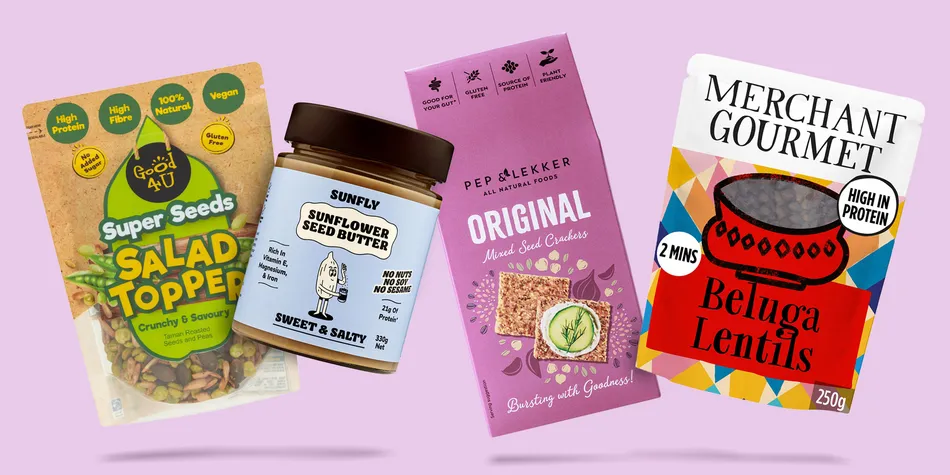
High-fibre foods can cause problems, too. ‘Some people may become more sensitive to large amounts of fibre, especially if they increase it too quickly or already have digestive issues. That doesn’t mean fibre doesn’t work for you; it often just needs to be introduced gradually and alongside adequate fluids. Softer fibre-rich foods such as porridge, stewed fruit such as apples and pears, soups, lentils and cooked vegetables are often better tolerated.’

Podcast: How to improve your gut microbiome – Listen now

‘Fluctuations in hormones can influence gut motility, which is why many women notice changes in their bowel habits throughout their cycle and during perimenopause and menopause,’ says Dr Rossi.
This shows up long before the hormonal changes of midlife thanks to what’s commonly known as ‘period poos.’ ‘During your period, the body releases hormone-like chemicals called prostaglandins, which help the uterus contract and shed its lining. But they don't just act on the uterus – they can also stimulate the muscles of the gut, which may lead to more frequent bowel movements or loose stools,’ says Dr Rossi. But that’s not all. ‘Progesterone, on the other hand, has a relaxing effect on the muscles of the gut, slowing the movement of food through the digestive system. This can contribute to constipation, particularly in the two weeks leading up to a period.’
This is why some women taking progesterone as part of their HRT struggle with constipation, and it can also be an issue for women taking the progesterone-only contraceptive pill, also known as the mini pill. This makes it particularly important to stay hydrated and pay attention to your fibre intake.

‘I recommend aiming for 30+ different plant foods a week across what I call the Super Six (fruits, vegetables, wholegrains, legumes, nuts and seeds, plus herbs and spices), and staying physically active – even a daily brisk walk can help stimulate bowel movements,’ says Dr Rossi.
Bardwell adds: ‘The biggest wins usually come from gradually increasing fibre intake, staying really well hydrated and moving your body regularly. Fibre helps add bulk and softness to stools, while fluids help keep everything moving. Many people also underestimate the power of simple habits such as chewing really well, eating slowly, walking after meals, not ignoring the urge to go to the toilet, eating regularly and getting enough sleep.’


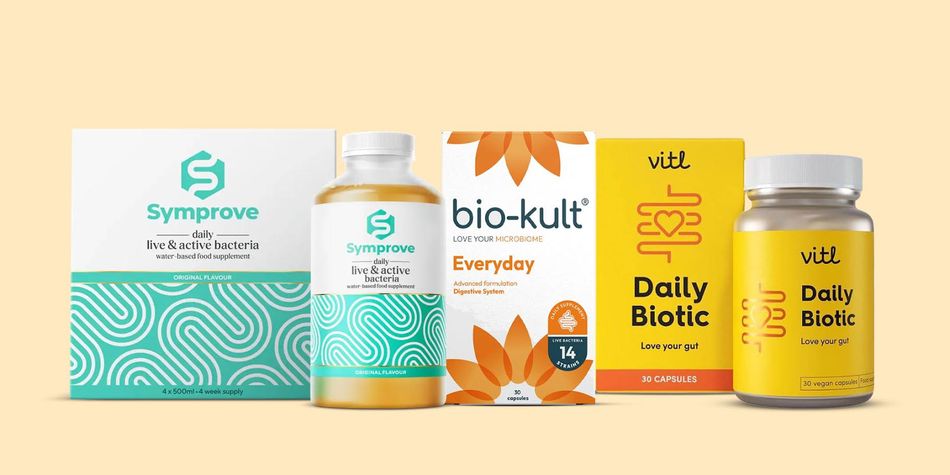
‘Probiotics can’t compensate for a poor overall diet, but there’s growing research that some probiotic strains support bowel function, particularly after antibiotics or for certain digestive symptoms,’ says Bardwell.
‘The important thing is choosing strains with human research behind them rather than assuming all probiotics do the same thing. For example, Bifidobacterium lactis has shown promise for supporting bowel regularity in some people, while Saccharomyces boulardii is one of the better-studied probiotic strains for helping reduce the risk of antibiotic-associated diarrhoea.’
Different probiotic strains provide different benefits. Whether a strain works for you depends on the bacteria already living in your gut, so a probiotic that's effective for one person may not work for another.
Best probiotic supplements 2026: reviewed by nutrition experts

Where possible, focus on your diet first. ‘Adding fibre-rich options such as psyllium husk, chia, and flaxseeds to your meals can be an effective first step because they support both bowel function and gut health,’ says Dr Rossi.
However, if you’re prone to constipation, it might be wise to keep some laxatives in your bathroom cabinet. These are generally intended for short-term use unless advised by a healthcare professional.
There are different types of laxatives, which work in different ways:
‘Sometimes laxatives are absolutely necessary and appropriate, particularly if someone is very uncomfortable or taking medications that make them constipated,’ says Bardwell. ‘The most important thing is not to ignore persistent bowel changes and to speak to a healthcare professional if symptoms are ongoing (more than two weeks), severe or new.’
Zoe app review: Is it worth it? Our expert nutritionist gives her verdict
Changes in bowel movements are often nothing to worry about, and some symptoms can be caused by other conditions. If in doubt, check the list below and contact your GP if symptoms persist for more than three weeks.