By clicking a retailer link you consent to third-party cookies that track your onward journey. This enables W? to receive an affiliate commission if you make a purchase, which supports our mission to be the UK's consumer champion.
Learner driver insurance explained

Dean is an award-winning personal finance writer who’s spent over 15 years helping consumers navigate the tangled and fascinating world of insurance.

Get a great deal on your car insurance
We've partnered with MoneySuperMarket to help you compare a wide range of car insurance options in one place, with added insight from Which?
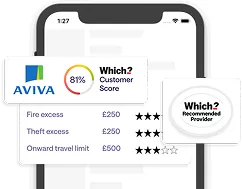
Get a quote with MoneySuperMarket and we'll highlight Which? Best Buys and Recommended Providers in your results.
This is a Which? exclusive, so you won't find our scores or expert analysis on other comparison sites.

Dive into the detail with our expert reviews
Expert reviews of 61 policies. We've analysed the small print so you don't have to.
Real claimant feedback based on 3,464 recent claims. We reveal who pays out quickly and treats customers fairly.
Do learner drivers need car insurance?
All drivers on public roads must be properly insured. Otherwise, they're breaking the law. They also risk being out of pocket in the event of an accident.
If you're learning to drive through a professional driving school or with a private instructor and using their vehicle, you're not normally responsible for arranging insurance cover. They usually have a professional policy that covers all their students, but do check to make sure before your first lesson.
On the other hand, if you're learning to drive in a private car – your own vehicle or one owned by family or friends – you'll need insurance. And even if you're just doing some occasional practice sessions on top of your lessons, you must be insured to get behind the wheel.
Should you get your own policy?
Learner drivers looking for car insurance have two options:
| A dedicated learner driver policy | Becoming a named driver on someone else's policy |
|---|---|
| Covers you to drive in a specific vehicle, whether your own or someone else's | Covers you to drive the main policyholder's vehicle only |
| Likely to be more expensive than being a named driver | Will increase the policyholder's premiums |
| Start building your own no-claims discount | Could impact the policyholder's no-claims discount if you have an accident |
| You'll need to arrange this yourself | Usually easy for the policyholder to set up |
Even with your own policy, you'll need to be accompanied by an 'eligible supervisor'. How insurers define this varies – some require more than the legal minimum of a person aged 21 with a valid driving licence held for more than three years, so check with the insurer first.
- Find out more: how to get cheap car insurance
Learner driver insurance if you've got your own car
If you have your own car, you'll need a dedicated learner driver insurance policy. It's a separate policy of your own, and you can buy different types of cover as you see fit.
- Third-party policies cover you only for injury and damage you cause to someone else or their car. You can add fire and theft cover, which will also pay out if your vehicle is stolen or catches fire.
- Comprehensive cover is the most extensive type of insurance and covers your costs in the event of an accident.
Make sure you understand the terms of your policy. As well as detailed rules on who is allowed to supervise you, there may be additional constraints. For example, some policies limit your driving to daylight hours.
It's important to note that your learner driver insurance will stop providing cover as soon as you pass your test. You'll then need a policy for qualified drivers instead – and you'll need this before you drive home from the test centre.
Not all car insurers are the same: our research consistently shows that the quality of both policies and customer service varies hugely. See our guide to the best car insurance policies in the UK or our individual car insurer reviews to find out more.
Check you're getting a great deal and search for a new car insurance policy using the service provided by MoneySuperMarket. Get a quote now
Learner driver insurance if you're driving someone else's car
If you're driving someone else's car, you still have the option of taking out your own insurance policy.
This has some benefits: you won't need to worry about the premiums of your friend or family member increasing, or their future premiums being affected if you have an accident. Plus, you can start building up your own no-claims bonus.
The alternative – becoming a named driver on the owner's policy – gives you access to their car with the full amount of cover on their policy. This approach may also work out cheaper, but it will vary depending on individual circumstances.
Cheapest ways to insure a learner driver
The good news is that taking out car insurance while you still have only a provisional driving licence may cost less than you expect.
Insurers know you're inexperienced, but they also take into account the fact that you'll always be accompanied by a fully qualified driver.
1. Shop around
Once you've got your provisional licence and know which vehicle you'll be driving, run quotes on one or more comparison sites.
Running searches for quotes may result in insurers appearing on your credit file, but it won't affect your credit rating.
Get tips on using comparison sites in our guide to finding cheap car insurance.
2. Consider insurers with restrictions
You could be offered a lower premium if you agree to certain conditions, such as driving only within certain hours or limiting your mileage.
Once you qualify, you may be able to get cheaper car insurance through insurers that use telematics to track your driving. Find out more in our guide to 'black box' car insurance.
3. Increase your excess
Increasing your voluntary excess (how much of a claim you'll pay yourself) will reduce your premium, but make sure you can afford the excess if you have to claim.
4. Add an experienced named driver
If you have your own car, adding an experienced named driver could bring your premiums down, but they will actually need to drive the car occasionally.
5. Don't assume comprehensive cover is more expensive
It's worth getting quotes for both third-party and comprehensive cover, but you may find comprehensive cover to be cheaper. This is because insurers associate third-party customers with higher levels of risk and sometimes charge them more.
Beware 'fronting'
Don't become a named driver on someone's policy if you're likely to drive the car more than they do.
This is known as 'fronting' and is considered fraud. You or they could have an insurance claim denied, the policy cancelled, and even face prosecution, leading to a criminal record.
It could also make it difficult for both of you to get insured in the future.
Temporary learner driver car insurance
Car insurance is typically sold on an annual basis, but you can also buy cover for shorter periods – anything from a day to a few months.
When you're learning to drive, this could be a good option. You could buy insurance as and when you need it for practice sessions, or just for as long as you expect it to take to pass your test.
This approach can save you money, but temporary cover is more expensive than an annual policy, so the more of it you buy, the less chance there will be of netting a saving.
If you're doing a lot of practice or planning to take your time before applying for your test, an annual policy might be more economical.
If you do go for an annual policy, remember that your learner driver insurance is no longer valid once you've passed your test. You'll need to speak to your insurer about standard cover.
This is one potential disadvantage of an annual learner policy – your insurer might not be the most competitive provider when you need a standard policy, but it may demand cancellation fees before you move on.
- Find out more: Car insurance for young drivers
Got more questions on car insurance? Take a look at our guides:
- How to get cheap car insurance
- Best car insurance for the over-50s
- How do I make a car insurance claim?
- Car insurance no-claims bonus explained
- Car insurance: add-ons, fees and charges explained
- Modified car insurance explained
- Electric car insurance explained
- How black box car insurance works
- Temporary car insurance explained
- Multi-car insurance guide
- Gap insurance explained
- How to insure a classic car
- Car insurance for young drivers
Compare car insurance
Find the right policy for your vehicle using the service provided by MoneySuperMarket
Get a quote now