Need travel insurance?
Find a great deal at MoneySuperMarket, one of our trusted partners
Compare dealsWhich? earns commission to fund its not-for-profit mission if you buy a product
By clicking a retailer link you consent to third-party cookies that track your onward journey. This enables W? to receive an affiliate commission if you make a purchase, which supports our mission to be the UK's consumer champion.

From decoding money topics to curating gift guides, Ravi’s writing helps readers save money - and pick the perfect present.

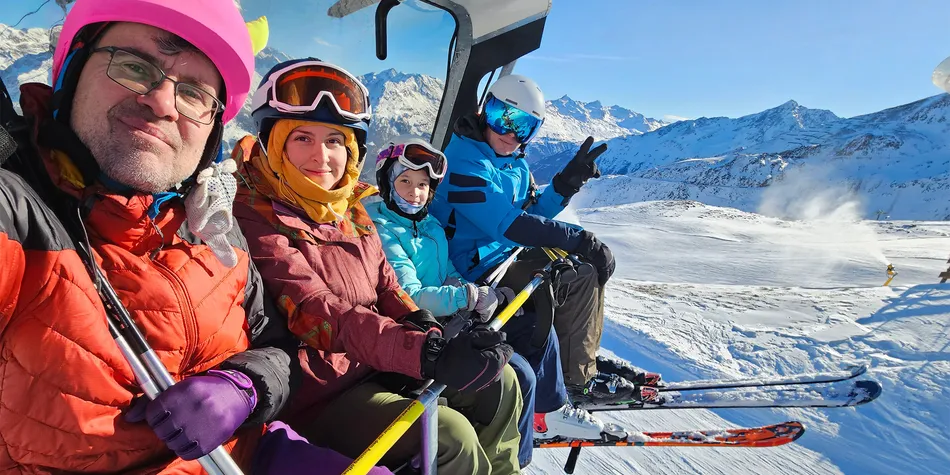
If you’re planning a ski trip this winter, it’s easy to assume that your travel insurance will cover you on the slopes. But winter sports policies often come with conditions that can invalidate a claim if you’re not careful.
Which? explains seven key ways it can be invalidated and how to avoid problems before you go.
Find a great deal at MoneySuperMarket, one of our trusted partners
Compare dealsWhich? earns commission to fund its not-for-profit mission if you buy a product
Winter sports cover varies widely between insurers, and small differences in wording can make a big difference if you need to claim.
Most winter sports policies exclude claims if you were under the influence of alcohol or drugs. Insurers rarely define a specific limit, meaning even a couple of drinks at lunch or a heavy après-ski session earlier could be enough to cause problems if you're injured later.
Check: whether your policy excludes claims linked to alcohol, and how broadly that exclusion is worded.
Off-piste skiing is often excluded unless you’re:
Skiing just a few metres beyond marked runs can still count as off-piste if it’s not officially open or patrolled.
Check: how your policy defines off-piste skiing and what conditions must be met for cover to apply.
If a run is closed or avalanche warnings are in place, insurers usually expect you to follow local rules. If you ski anyway, it can give them grounds to reject a claim, even if the injury wasn’t directly caused by the hazard.
Check: exclusions relating to ignoring local authority or resort safety advice.
Not all winter sports are included as standard. Snowboarding, sledging, freestyle park skiing, snowmobiling or ice climbing may require specific cover.
Assuming that an activity is covered because it’s common at a resort is a common mistake.
Check: the exact list of sports covered by your policy and whether winter sports cover is an add-on or included automatically. It’s also worth checking whether your policy covers owned equipment, hired kit or both, and what counts as damage on the slopes.
If a medical condition you didn’t declare contributes to an accident or affects your recovery, insurers can refuse to pay out. This applies even if the condition seems unrelated to skiing, such as heart or joint problems.
Check: what counts as a pre-existing condition and whether you need to declare controlled or historic conditions.
Some policies require you to wear a helmet where local laws or resort rules apply, particularly for children. If you ignore these requirements, insurers may argue that you didn’t take reasonable precautions.
Check: any conditions around helmets or other protective equipment in your policy wording.
Most policies require you to seek medical help as soon as reasonably possible and to contact your insurer promptly after an accident. Waiting too long can make it harder to prove what happened and may weaken or invalidate a claim.
Check: time limits for reporting incidents, whether insurer approval is needed before treatment, and your medical cover limits and excess, as winter sports injuries can be expensive to treat.
Check that you're getting a great deal and search for a new travel insurance policy using the service provided by Confused.com. Get a quote now.