4 energy scams to know about

Tali writes about scams and consumer rights for Which? delving into fraud, technology and consumer rights topics to keep readers safe and empowered.

Whether it's impersonating energy suppliers and government bodies or flogging fake devices to save you on your energy bills, scammers bank on rushing you into handing over information by sounding official.
Energy scams are prevalent throughout the year, but in the winter months when bills are high and energy savings are front of mind, these scams can be just convincing enough to catch people out.
Here are some of the most common energy scams we've seen recently and how to spot and report them.
1. Cold calls
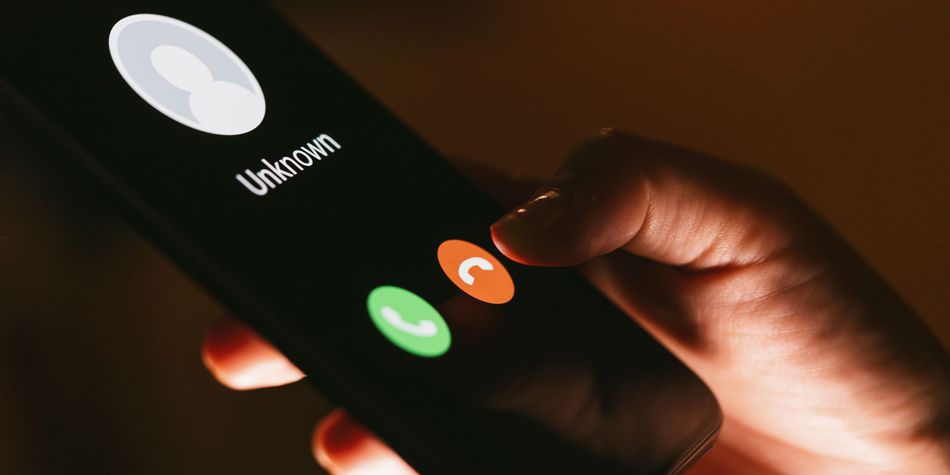
Common cold calls include fraudsters claiming to be energy advisors or members of a housing repair team working with the council or housing associations, according to reports on Who Called Me, the caller identity website.
The caller typically asks whether you own the home and states they’re calling in response to a problem you’ve reported, such as damp or property repairs.
One person said they were asked for their date of birth and address, and another was told that they were being contacted by a housing officer.
These calls try to coax you into revealing further information about yourself, such as personal or financial details. The fraudster may then attempt to scam you at a later date.
If you have damp, mould, or housing repair issues, report them directly to your housing association or to your landlord if you’re a tenant.
- Find out more: how to stop nuisance calls
2. Sham energy-saving devices
Have you seen an ad on social media or in an email offering an energy-saving device? The claims say they can lower your energy bills simply by being plugged into a plug socket in your home.
Which? has issued numerous warnings about these energy-saving devices and has conducted our own testing on some, which, unsurprisingly, found they didn't meet their claims and that some were dangerous.
These adverts will claim the devices can help you achieve huge savings on your energy bills. However, online reviews of these products typically report that the device either didn’t work, didn’t arrive, or that recurring payments appeared on their bank statements after buying a device.
3. Mis-sold solar panel claims
Emails and calls claiming that you can claim compensation for mis-sold solar panels should be treated with caution.
While some homeowners have been genuinely mis-sold solar panels, we're aware of cases where scammers try to leverage this by offering fake legal services to fight your case for you in exchange for a fee. You'll typically be charged to initiate the service, and then the scammer may follow up with additional 'legal costs'.
While they’ll say that you’re owed a lot in compensation, fraudsters will disappear with your fee or any money they've claimed you're owed back, and you’ll never hear from them again.
If you believe you've been mis-sold solar panels, contact the company that sold you the product. If you do choose to use a claims management company, check that it has the correct authorisation to offer these services by looking at the FCA register and make sure solicitors or law firms appear on the SRA register.
4. Fake energy supplier emails

Dodgy emails claiming to be from well-known energy companies will contain links that will go on to steal your personal and financial information if clicked on.
One example Which? examined impersonates British Gas and claims you can get a free Google Nest thermostat.
The catch is that you have to follow a malicious link and complete a short survey to receive the free thermostat.
The survey will gather details that the fraudster will use themselves, or your details will be traded, enabling fraudsters to target you with more scams.
How to avoid and report an energy scam
Any out-of-the-blue messages or calls should be treated with caution, and information given to you in this way should be verified.
Scammers will use special offers, heavy discounts, huge savings or competitions to gather your data and get you to part with your money. Be wary of any claim that seems simply too good to be true, especially if it asks for you to give details away in order to receive it.
If you lose any money to a scam, call your bank immediately using the number on the back of your bank card and report it to Report Fraud (formerly known as Action Fraud) or call the police on 101 if you’re in Scotland.