Make money make sense
Make every penny count. Get the best deals, avoid scams and grow your savings, with expert guidance for only £49 a year.
Join Which? Money
Holly covers personal finance topics from credit cards to wills. She enjoys turning complex money matters into clear, practical advice.

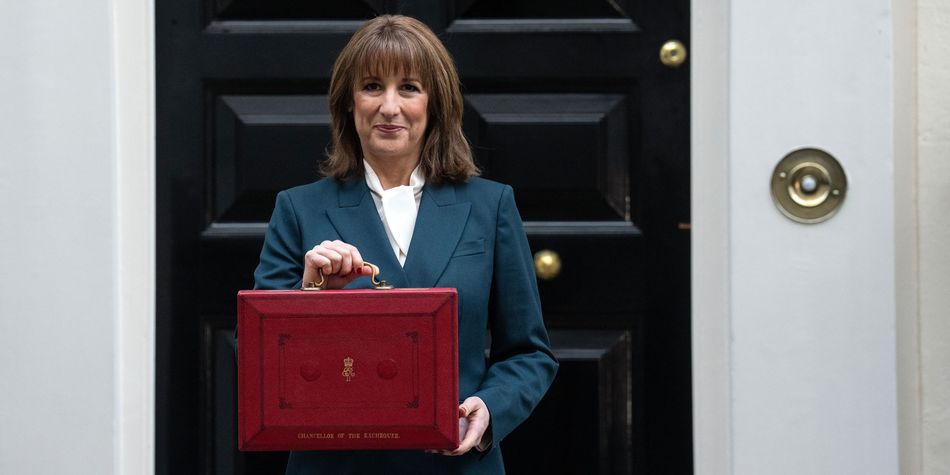
If you studied in England between September 2012 and August 2023, the Autumn Budget handed you a change worth paying attention to.
The government will freeze the Plan 2 repayment threshold from 2027 to 2030, which means many graduates will repay more as their earnings rise.
Here, we explain what you need to know about changes to student loan repayments and how to check if you’re eligible for a refund.
You become liable for student loan repayments from the April after your course ends, although you won’t start paying anything until your earnings rise above your plan’s threshold.
Each plan has its own annual limit, so the point at which you begin repaying depends on which loan you hold.
| Plan | Who this applies to | 2025-26 annual repayment threshold | 2026-27 annual repayment threshold |
|---|---|---|---|
| Plan 1 | English and Welsh students who started an undergraduate course anywhere in the UK before 1 September 2012 | £26,065 | £26,900 |
| Plan 2 | English and Welsh students who started an undergraduate course anywhere in the UK between September 2012 and July 2023 | £28,470 | £29,385 |
| Plan 4 | Scottish students who started an undergraduate or postgraduate course anywhere in the UK on or after 1 September 1998 | £32,745 | Expected to rise to £33,795 |
| Plan 5 | English students who started an undergraduate course from August 2023 | n/a | £25,000 |
| Postgraduate loan | Students who took out a Master’s or Doctoral loan | £21,000 | £21,000 |
Once you meet the earning thresholds, you’ll repay:
Find out more: what plan am I on?
Under the previous policy, student loan repayment thresholds were due to rise each year in line with the retail price index (RPI) from 2025-26.
Under changes announced in the Autumn Budget, the student loan repayment threshold will rise to £29,835 in April 2026 for those on Plan 2 and then be frozen until April 2030.
From April 2030, the threshold will rise each year in line with inflation (it hasn't been specified whether RPI or the Consumer Price Index will be used).
No changes were announced to Plans 1, 4 and 5.
The change affects English students who started their course between 1 September 2012 and 31 July 2023.
Welsh students who started their course since 2012 are also on Plan 2, but it hasn't been confirmed whether the change will apply in Wales.
Graduates on Plan 2 will have to pay back more on their loans much sooner. As wages rise, more graduates will meet the repayment threshold, and a larger proportion of their income will be subject to repayment than it would have been if the threshold were raised in line with inflation.
The National Union of Students has warned that the freeze could put pressure on new graduates who are struggling to afford food and bills, as the salary at which graduates repay their loans approaches the minimum wage, The Guardian has reported.
The Office for Budget Responsibility has forecast that by 2030, someone working full-time on the minimum wage will earn around £28,995, which is only £400 lower than the student debt repayment threshold.
Make every penny count. Get the best deals, avoid scams and grow your savings, with expert guidance for only £49 a year.
Join Which? MoneyStudent loan repayments are based on what you earn in each pay period rather than your total income for the year. Because you only repay a percentage of your earnings above the annual threshold, you could be due a refund if your income rose temporarily during the year, for example, through overtime or a bonus, but your overall earnings stayed below the threshold.
These are known as below-threshold refunds. Recent figures from the Student Loans Company show that £142m was refunded to more than half a million customers in 2024-25.
So far in 2025-26, the SLC has contacted 642,000 customers who are eligible for a refund.
You may also be due money back if you were put on the wrong repayment plan, began repaying too early or continued to repay after your loan balance had been cleared.
The Student Loans Company (SLC) introduced a digital tool in 2024 to make it easier to claim below-threshold refunds.
You can only claim refunds for tax years that have ended, as it’s based on your total annual income. Follow these steps to claim a below-threshold refund: