By clicking a retailer link you consent to third-party cookies that track your onward journey. This enables W? to receive an affiliate commission if you make a purchase, which supports our mission to be the UK's consumer champion.
5 viral trends you should never try with a Squishy Dumpling or Needoh toy

Drawing on nearly half a decade at Which?, Natalie helps readers cut through the noise with practical guidance on trending products, pest control, cleaning advice and money-saving tips during the sales.

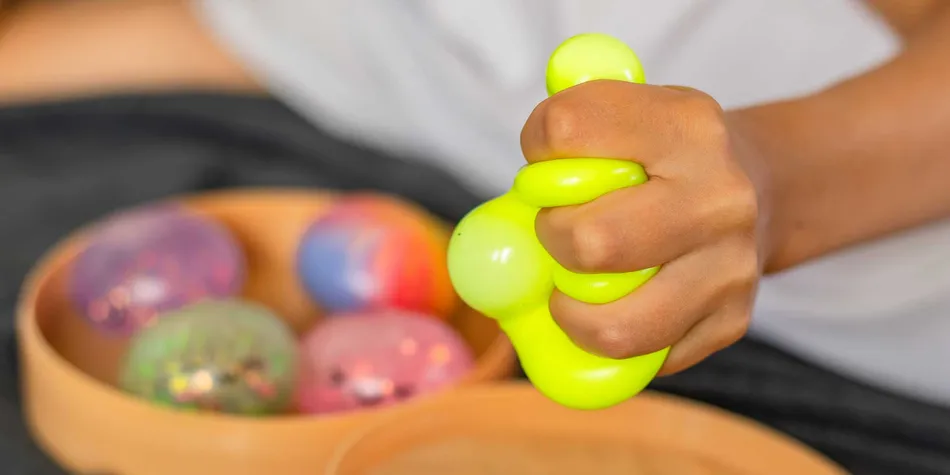
Squishy sensory toys have become hugely popular with children, with colourful dumplings, NeeDohs and other squeezable toys among the latest must-haves.
But their popularity has also fuelled social media videos encouraging children to experiment with squishies in ways they were never designed for – some of which have attracted millions of views.
We’ve looked at some of the most concerning trends you should avoid, the potential risks of buying unofficial squishies, and what these toys contain.
Squishy dumpling toys: why you need to be wary about the latest toy trend
Where to buy squishy dumplings and Needoh toys
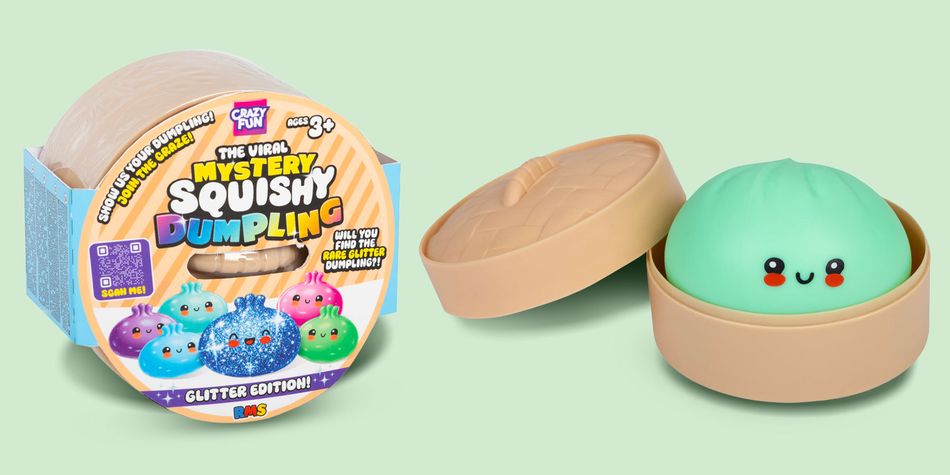
Mystery Squishy Dumplings are one of the official branded versions of the popular dumpling-shaped squishy toys.
Like the elusive Labubu toys, which became hugely popular last year and were often difficult to get hold of, Mystery Squishy Dumplings can be tricky to track down online due to their popularity. We've found them in stock at the retailers below:
- Jukupop — this retailer currently stocks a few colours of Squishy Dumpling as well as other trending toy brands like Needoh and TY.
- The Entertainer – home delivery is unavailable, but you might be able to click and collect Squishy Dumplings from your local store free of charge, subject to availability. Needohs are currently unavailable from this retailer.
- Smyths Toys – this shop lists Needohs and Squishy Dumplings, though they are frequently out of stock online.
You may have better luck finding Squishy Dumplings and Needohs at major supermarkets, including Tesco and Asda, or high street chains such as B&M.
What’s inside a squishy toy and are they toxic?

Squishy toys are made from a soft, stretchy outer material and filled with a substance that gives them their distinctive squishy texture. The exact materials can vary between products and brands, so it’s important not to assume all squishies contain the same filling.
- Needoh says its toys are non-toxic and are tested to meet toy safety standards. Most have an outer layer made from thermoplastic rubber (TPR) and are filled with polyvinyl alcohol (PVA), a synthetic, water-soluble material used in a wide range of products. PVA is also used in coatings for some medicines and dietary supplements. Colour-changing Needohs contain a water-soluble dye, which the manufacturer says is non-toxic.
- RMS, the manufacturer of the original viral Squishy Dumplings, says its toys are made from non-toxic thermoplastic rubber (TPR), with ‘shimmer particles’ added to some versions. However, RMS doesn't state what standard Squishy Dumplings are filled with, so we can't independently confirm their contents. We contacted RMS for more information but did not receive a response.
It's important to note that a toy being made with non-toxic materials doesn't mean it's safe to eat or that it can't cause harm if it's damaged. If a squishy splits, is punctured or starts leaking, keep it away from children and follow the manufacturer's advice for disposing of it.
Safety concerns around 'unofficial' squishy toys
The popularity of sensory squishies has led to a growing number of lookalike toys appearing on the market – but safety concerns have been raised about some of these unofficial products.
Earlier in 2026, Trading Standards officers at Swansea Council investigated dumpling toys after concerns were raised about an unusual smell coming from some products. Testing revealed some contained hazardous chemicals and failed to meet UK toy safety requirements.
Other dumpling toys have also been found to contain excessive levels of benzene, a chemical that can be harmful to health. Read more about the safety concerns around dumpling toys – plus what to look out for to check if yours could be a dupe.
Several squishy toys were recently rejected at UK border due to 'high chemical risk'. Keep up to date with more of the latest product recalls from Which?
Expert view: five things to never do to a squishy toy
Even if your squishy toy is an official product that meets UK safety requirements, experimenting with it in ways it wasn’t designed for could still pose a risk.
Social media trends are increasingly encouraging children to cut, stretch, heat, freeze and otherwise experiment with squishy toys – with potentially unsafe consequences.

Which? scientist Olivia Pratt explains the risks associated with some of the more popular squishy toy trends.
1. Don't cut them open
What’s inside a squishy toy varies between products and the contents of unbranded or imitation squishies may be particularly unclear.
If the outer layer is cut or ruptures, the filling can be exposed, potentially creating a safety risk. Even if the contents of your squishy toy comply with safety standards, they were never intended to be removed and played with.
Some imitation squishy toys have been found to contain materials such as water beads, sand, powders or gels. Water beads are a particular hazard for young children – the government issued a safety warning about them in 2024. If swallowed, they can expand inside the body and can potentially get stuck, resulting in gastrointestinal blockages requiring surgical removal. They can also cause choking and suffocation if inhaled.
Squishy toys can also be filled with gel or slime. However, what the gel is made from or contains is often not known. These unknown materials could result in unwanted chemical exposure.
There have also been reports of the contents of some imitation squishy toys causing severe skin and eye irritation that required medical attention.
2. Don’t heat them up

Never heat a squishy toy in a microwave, oven, air fryer or by any other method, and don't leave one in a hot place such as a car, on a windowsill or near a heat source. Not only can you wreck your home or appliances, the injuries can be severe enough to require hospital treatment.
The BBC recently reported several children in Scotland suffered serious burns after squishy toys were microwaved.
When heated rapidly, the gel inside a squishy can boil, building up pressure until the toy bursts. This can release hot gel that can stick to the skin and cause deeper burns.
If an accident does happen, it's important to know what to do. If you or someone else is burned, hold the affected area under cool running water for at least 20 minutes. Don't use ice or remove anything stuck to the burn. When the burn or scald has cooled, lay cling film over it if you can.
For large or deep burns, burns to the face, hands, feet, genitals or over a joint such as an elbow or knee that cause blisters, or suspected chemical burns, call 999 or go to A&E. If a child is burned, contact NHS 111 for advice; if the burn is larger than the child's hand or is blistering, go to A&E or call 999.
3. Don’t freeze them
Like Goldilocks, squishy toys don't fare well when too hot or too cold. YouTube and TikTok are full of videos showing people freezing Squishy Dumplings, but this can damage the toy and create a mess you really don't want in your freezer.
Freezing can make the thermoplastic rubber casing stiff and brittle, making it more likely to crack or split when the toy is squished afterwards. If it bursts, the gel or filling could leak over food or other items in your freezer.
4. Don’t put nail varnish or other chemicals on them

Nail varnish contains solvents that keep it liquid in the bottle. When you paint a thin layer onto your nails, these solvents evaporate, allowing the varnish to dry.
But applying nail varnish to a squishy toy can damage its rubber outer layer. The solvents can weaken or dissolve the material, increasing the risk of the toy splitting or bursting.
If under enough pressure, the internal contents can squirt into someone’s eyes or face.
5. Don't overstretch them
Squishy toys are designed to be squeezed, but that doesn't mean you should pull or stretch them beyond their limits. Overstretching can put excessive strain on the outer material, potentially causing it to split, tear or burst – particularly if the toy has already been damaged or weakened.
Some social media videos show people stretching squishy toys as far as they can before letting them snap back into shape. While this might look satisfying, repeatedly doing so could shorten the toy's lifespan and increase the chance of it breaking. If you notice any cracks, tears, thinning or other damage, stop using the toy immediately and dispose of it.
If you're concerned about the content your child may be seeing online, our guide explains how to set up parental controls on smartphones and social media apps