By clicking a retailer link you consent to third-party cookies that track your onward journey. This enables W? to receive an affiliate commission if you make a purchase, which supports our mission to be the UK's consumer champion.
5 ways to make ironing easier

A certified smartphones, tablets and wearables whizz, Adam's been hands-on with tech for more than six years, sharing expert knowledge and buying advice.

If you don't have the time or energy to tackle your ironing pile, don't despair. Understanding how to iron properly can help you get the job done much more quickly.
Whether ironing leaves you steaming mad or you find it relaxing and therapeutic, read on for tips to make it easier.
1. Make sure you're using a good iron

While you might not want to splash out on an iron, it is worth buying a decent one. A steamier iron will smooth out creases easily, while a lower-quality model will require much more effort.
The very best steam irons, those that get our Best Buy recommendations, start at around £30. Our Great Value steam irons, which marry good performance with a lower-than-average price, start at £17.
Higher-end models may have useful features such as automatic shut-off, which turns the iron off when it's left stationary for a set time as an extra safety measure.
It's also important to take care of your iron, boring though it might sound. Descale it as often as the manufacturer recommends to prevent limescale build-up that can limit steam flow. And clean the soleplate with a soft cloth. Don't scrub the soleplate, or you could scratch it, which could cause it to snag on your clothing.
Browse all our steam iron reviews to find the right model for you.
2. Hang your clothes swiftly after washing them

Cut down on ironing (and potentially eliminate the need to iron some items at all) by hanging your clothes immediately after taking them out of the washing machine or tumble dryer, before they have time to develop wrinkles.
Just be mindful of 'hanger bumps' if hanging up wet clothes – these are bumps at the shoulder of a garment where the weight of the clothing presses into the edge of the hanger. To help avoid this, make sure your hangers fit the clothing item appropriately. They should come close to the shoulder edge to help stop the garment pulling, and a wider hanger is usually better.
Does your washing machine have a pre-ironing program? See useful washing machine cycles to find out how it works and which programs to use for wool, polyester and other fabrics.
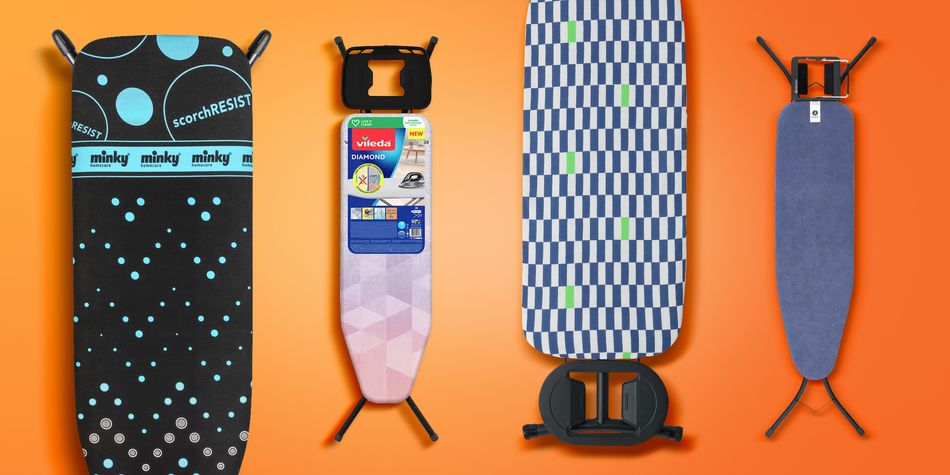
3. Buy a good ironing board

While some people do resort to making a makeshift ironing board at home (make sure you use an appropriate, safe surface if you need to), you won't get the best results without a proper one.
A good ironing board provides a stable, smooth surface, which allows the iron to glide over clothes, resulting in wrinkle-free garments.
We've spent hours testing different ironing boards so that you don't have to, and we can tell you which ones are more stable, easier to fold and more adjustable than others.
For a decent ironing board, you usually need to spend at least £30.
You can also buy small tabletop ironing boards, which could be useful if you live in a small space, although we haven't tested them as they're less common.
Our experts put full-sized options through a range of tests to find the best ironing boards.
4. Learn how to iron your clothes properly

For quicker results, iron clothes while they're damp. For the most part, it will be easier to remove creases when your clothes are damp.
If your clothes are already dry, make use of the water spray button, a common feature on most irons that makes clothes easier to smooth out.
Also, avoid wiggling the iron, as this can stretch your clothes; instead, stick to straight strokes.
For an extra-crisp finish, try using a starch spray. You can make your own by dissolving one tablespoon of cornflour in two cups of water, then spraying it onto the garment a few seconds before ironing. This not only helps achieve a fresher look but also keeps the iron soleplate clean.
Ironing mistakes to avoid
- Using the same temperature for everything There's a reason that clothes have laundry labels. Make sure you set the temperature to the correct setting when ironing, unless your iron automatically adjusts based on the material.
- Not turning clothes inside out Have you ever noticed a slight sheen on your clothes after ironing? That can be caused by excess heat. To avoid this, turn clothes inside out before ironing. If your clothes typically go into your laundry basket and washing machine inside out, don't bother turning them the right way round before hanging.
- Letting large items hang over the sides of your ironing board and get wrinkled all over again If you're ironing large items such as curtains or tablecloths, try setting up a couple of chairs next to your ironing board. This way, once you've finished ironing one section of a large item, you can simply place it gently onto the chairs while you move onto the next section.
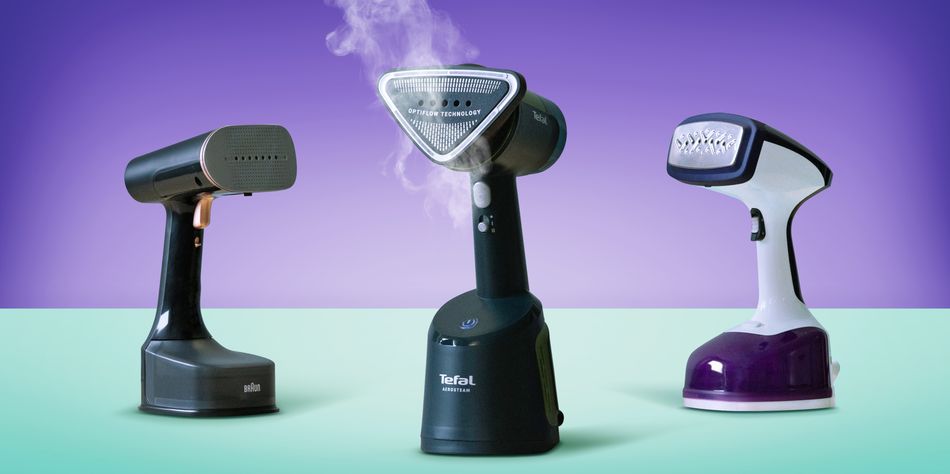
5. Buy a clothes steamer instead of an iron

A clothes steamer can quickly freshen up crumpled outfits. It's a quick fix if you don't have the time or energy to set up an ironing board.
These handheld devices – also known as garment steamers – won't give you a crisp, pressed finish, but they will still improve the appearance of creased garments. It can also be a better choice for some delicate fabrics such as silk.
A clothes steamer has become a must-have for people on the go in recent years. If you buy a sufficiently lightweight garment steamer, you may be able to take it away with you if need be: for example, if you're going to an event such as a wedding and the accommodation can't supply an iron.
The very best clothes steamers we've tested start at £25. You can also buy pricier, upright models (the type you may have seen staff using in clothes shops). These are designed to offer professional results at home, but we don't test these as the smaller ones tend to be much more popular.
See the best clothes steamers according to our tests.