Health? or Hype?
Make the right choice with recommendations you can trust, backed by expert testing.
Explore health recommendationsBy clicking a retailer link you consent to third-party cookies that track your onward journey. This enables W? to receive an affiliate commission if you make a purchase, which supports our mission to be the UK's consumer champion.

With more than 25 years' experience in lifestyle journalism, Ceri cuts through the hype to uncover the truth behind health and nutrition claims.

Your hormones are in a continual state of flux, depending on the time of day, the time of the month – and your time of life. We’re all guilty of ‘blaming our hormones’ for everything from a bad mood to a sleepless night or an overwhelming chocolate craving, but the reality is rather more complicated.
Put simply, hormones are chemical messengers that control numerous bodily processes, including sleep, mood, stress response, metabolism and reproductive function.
Unless you’ve been diagnosed with a medical condition like diabetes, thyroid disease or PMOS (formerly known as polycystic ovary syndrome, or PCOS), most of us only really think about hormones in relation to puberty, periods and menopause – and in recent years an entire wellness industry has sprung up to help women to navigate these hormonal ups and downs.
But do any of these lifestyle hacks actually work to balance hormones?

Dr Louise Newson is a GP, hormone specialist and founder of Newson Clinic, podcast and the Balance app. Through her clinical and educational work and research, she has empowered women to have a greater understanding of their hormone treatment.

Emma Bardwell is a registered nutritionist and specialist in midlife nutrition, gut health and sustainable weight management. She is the author of The 30g Plan, The Fibre Effect and The 30g Plan Cookbook, and is known for her research-based, realistic approach to healthy eating.

It’s important to acknowledge that the only way to treat a genuine hormonal disorder is via medical assessment and, in some cases, medication. For many perimenopausal and menopausal women, HRT is usually more effective for treating menopause symptoms than lifestyle adjustments, provided they're able and choose to take it.
'Hormones don’t exist in a fixed state of "balance"', explains Bardwell. ‘What’s important is that hormones sit within a healthy, functional range for that individual and that the body responds to them properly. When this regulatory system works well, people generally have steadier energy, more predictable appetite, better mood stability, healthy sexual function and good sleep.’
She adds: ‘Lifestyle measures can help manage symptoms but can’t replace lost hormones or prevent menopause.’
Ashwagandha: stress buster or health risk?

Bardwell encourages clients to focus on the following to keep the body’s systems running smoothly:
Can eating more fibre make you look younger? Our nutritionist weighs in

There are so many nutrition myths surrounding menopause and hormonal health that it’s no wonder many of us are confused about what we should and shouldn’t be eating.
Take 'seed cycling', which advocates eating different types of raw or ground seeds at different times of the month to ‘balance’ hormones.
‘Seeds are a good source of fibre, healthy fats and minerals, but there’s no good clinical evidence that seed cycling changes hormone levels,’ says Bardwell.
‘Flaxseeds contain phytoestrogens, but these are much weaker than human oestrogen. They may have small effects in some women, but they won’t replace declining oestrogen at menopause.’
There have been longstanding concerns about soya products, like tofu, edamame and soya milk. Soya also contains phytoestrogens, which has led to claims that they can disrupt hormones – but this is a myth.
‘Moderate soya intake is considered safe for most people and doesn’t appear to increase breast cancer risk in the general population,’ confirms Bardwell.
And increasing your consumption of avocados and yams is unlikely to boost progesterone, which is typically the first hormone to decline during perimenopause. ‘No food has been shown to significantly increase progesterone production in people with normal physiology,’ says Bardwell.
While experts agree that a healthy diet supports overall health, there’s no conclusive evidence that intermittent fasting or gut cleanses can ‘reset’ or ‘rebalance’ hormones. It makes sense to limit processed foods and sugar, but there’s no need for a punishing detox – a sensible, balanced diet is the best approach.
Discover the best breakfasts for energy and fibre

Regular exercise can improve your physical and mental health in many ways, but it can’t rebalance your hormones.
‘There’s good evidence that yoga can reduce stress, improve sleep, flexibility and quality of life, and it may even improve some menopausal symptoms,’ says Bardwell. The same goes for meditation, breathing exercises and tai chi, all of which can help you relax and manage stress.
Many experts also advocate strength training, which helps preserve muscle and bone mass and improve insulin sensitivity, which can become less responsive with age.
But before you sign up for an expensive gym membership, bear in mind that many people find simply going for a walk can help: ‘Regular walking improves heart health, mood, sleep, weight management and blood sugar control.
'Those benefits can make people feel better during menopause, even though walking doesn't restore hormone levels,’ says Bardwell.
7 top-rated walks on the newly opened English coastal path

Rather than focusing on quick fixes or fads, Dr Newson favours a holistic approach.
‘Staying active is so important during perimenopause and menopause. It helps keep your bones strong, is good for your mental health, reduces risk of cardiovascular disease and, when combined with a balanced diet, helps you maintain a healthy weight.’
She adds: ‘It can also really help to optimise your sleep. Aim to have a consistent bedtime routine and good sleep hygiene, including a cool, dark room, and limiting tech use before bed.’
When focusing on your diet, Dr Newson recommends a Mediterranean diet. ‘This limits sugar, highly processed foods, refined carbohydrates and processed meats, so you’re eating more food in its natural form.
'Long-term, the diet can reduce cardiovascular disease risk factors, improve bone mineral density, reduce the risk of breast cancer, help prevent cognitive decline and reduce all-cause mortality.
'There is also evidence that it can reduce the severity of menopausal symptoms.’
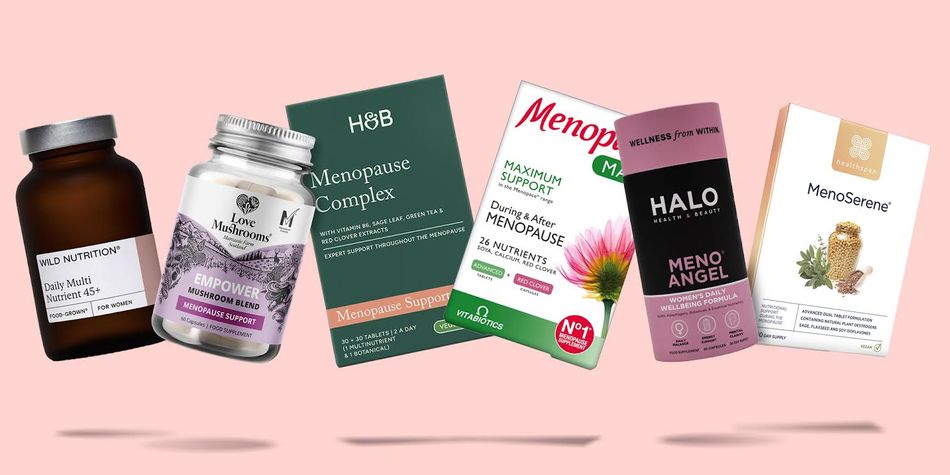
For more information on support during menopause, see our guides to the best menopause supplements and the menopause marketing tricks not to fall for.
Make the right choice with recommendations you can trust, backed by expert testing.
Explore health recommendations
Dr Newson is keen to encourage women to talk to their GP or menopause specialist as soon as they begin to experience symptoms, rather than waiting until they are ‘bad enough’ to seek help.
She says: ‘I speak to many women who have spent hundreds of pounds on supplements or alternative treatments for perimenopause and menopause, yet their symptoms have not improved much.
'Replacing your missing hormones with natural, bioidentical progesterone, estradiol and testosterone usually improves symptoms and can also improve your future health.’
We tell you the supplements you do and don't need