Rob Lilley-Jones: Protein powder and creatine supplements are becoming more and more popular. But do you need to take them, or are they only necessary for budding gym–goers? Welcome to this podcast from Which?.
Hello, it is Rob Lilley-Jones here with a brand–new episode of our healthy living podcast series, bringing you expert advice and recommendations to help you live your best life every day. Now, as is the norm, let us welcome our public health nutritionist, Shefalee Loth. Shefalee, hello.
Shefalee Loth: Hi.
Rob Lilley-Jones: And also, as ever, we are again joined by the founder of City Dietitians, Sophie Medlin.
Sophie Medlin: Hi, Rob. Nice to see you.
Rob Lilley-Jones: It is lovely to have you both back in the studio. Now, I should say that if you are listening to this and you are a Which? member, good news: you will be able to hear the results of our protein powder and creatine reviews in full. To listen, then simply click the link in the description for this episode and head to which.co.uk. If you are not a member yet and are considering signing up, then we have got 50% off for all of our podcast listeners over on which.co.uk/podcastoffer.
That said, there is still loads of useful info in today’s podcast. Now, before we get to protein powder itself, it might help if we start by outlining what protein actually is and why it is important in our diet?
Sophie Medlin: Protein is one of our what we would call macronutrients. Something we need quite a lot of, as opposed to micronutrients – vitamins and minerals – that we need much more smaller amounts of. Protein is essential for the maintenance and building and restructuring of protein structures in the body, and essentially, I think it is worth remembering every single bit of us is built from protein. From your nose to your kidneys, every structure in our body is essentially protein.
All the time these protein structures are being broken down and renewed and repaired, and protein is essential for the repair and renewal of all protein structures in the body. Muscles is the one that we think of a lot because we can grow muscles and build muscle throughout our lifetime depending on what we do and what we consume. Protein is essential for the growth and maintenance and building of muscle tissue.
Rob Lilley-Jones: Now, which foods can we get protein from? And how much do we need as well?
Shefalee Loth: I think there is a real myth here that most of us are protein deficient. In the UK, probably the majority of us are eating enough protein because it is in a lot of foods. Now, the foods that you typically think of when you think of high protein are your animal foods – so your meat, your fish, your dairy – but also it is available in lots of vegan plant–based foods too, such as lentils, peas, beans, and then also tofu – that is true – soya beans for example. And also in brown rice and things like that; it is present in whole grains. So actually you can get it from a lot of sources. The other big one that I did not mention was eggs.
Rob Lilley-Jones: Is it the case that with some plant–based meat replacement products, it is possible for them to almost add protein in the manufacturing process? Or is that not something that necessarily happens?
Shefalee Loth: If you walk around the supermarket, you will see a lot of foods that have added protein in, and that goes from breakfast cereals to yogurts to chocolate bars even. The thing is, our advice at Which? is you do not really need to be taking these if you eat a healthy balanced diet, then actually you will be getting the protein that you need.
Rob Lilley-Jones: Okay, so that is the protein that we can get in food – naturally occurring protein – other than as we said the products there that sometimes have protein added in as part of the manufacturing process. But that aside, we are talking about protein powder. I am sure most people will probably know what protein powder is; they might have seen it on the shelf, they might go to the gym and see big posters for it everywhere. But what actually is it?
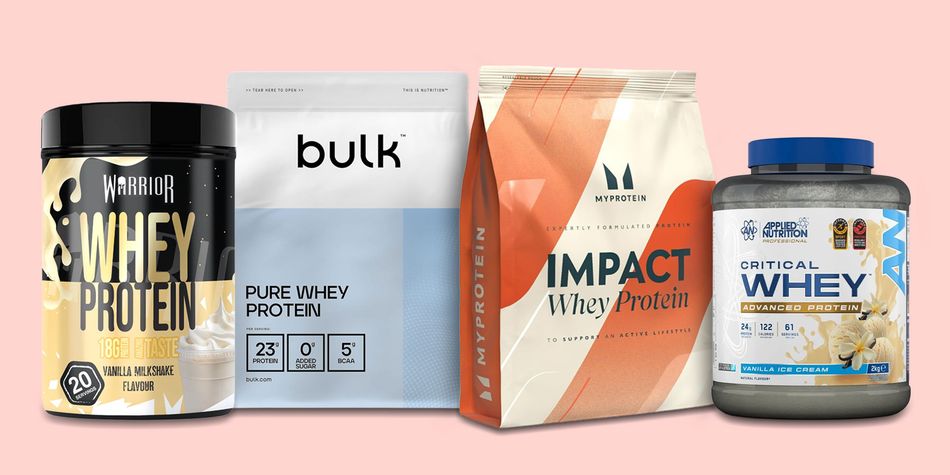
Sophie Medlin: Protein powders are supplemental protein, additional protein that you can take as a drink to give you additional grams of protein throughout the day. They can be from dairy sources – most commonly they are from dairy sources, specifically whey, which is a by–product of the dairy industry – and there are now of course vegan protein products as well, and we will probably get into the importance of how you choose those later.
Rob Lilley-Jones: And who is taking protein powder?
Shefalee Loth: I think traditionally they have been used by gym–goers. You will often see people with a big shaker bottle that they will drink throughout the day, or they will drink before or after a workout. But actually, there are examples in our life cycles where actually we might need more protein as well.
One of those is if you are recovering from illness or injury or surgery, or as you age. We know as we age our muscle mass declines, and so as we get older, there is a recommendation for people over 65 to increase their protein intakes. A lot of people as they get older cannot eat huge meals, so actually in those instances, a protein shake powder can be a really good addition to their diet to make sure that their protein intake is at the right level.
Rob Lilley-Jones: And who should not be taking protein powder? Is there anyone who should not be taking it? Is there anything that we should be worried about if we are taking too much?
Sophie Medlin: We do have a concern about people who have kidney problems having excess protein, but those are people who have got quite advanced stage kidney failure. So actually they are people who for the vast majority of the time will be under medical supervision and care and will have their protein intake monitored. For almost everybody, protein shakes are safe and appropriate if you think that you want to take one or you might need a bit of extra protein.
Rob Lilley-Jones: Now, is there a good way for calculating how much protein we are already getting?
Shefalee Loth: The NHS recommends that people consume 0.75 grams of protein per kilogram of body weight. That is very specific and it involves a bit of calculation. For an adult who weighs around 60 kilograms, that is probably around 52 grams of protein a day. Sophie will probably know better how much protein is in certain foods, but I guess a chicken breast probably has 15 grams – maybe up to 20 grams depending on the size of it. And an egg?
Sophie Medlin: About 9 grams.
Shefalee Loth: So actually, if you are eating breakfast, lunch, and dinner, and then you are thinking about your snacks and being a bit clever about your snacking in that you are having nuts or an egg for example or some hummus, then actually all those foods will have protein in them too and so it is not that difficult to hit your target protein intake if you are young, healthy. Obviously, we talked about getting older or being ill and your protein needs increasing, and then obviously you do not want to be eating three chicken breasts a day, for example – that is expensive as well – and protein shakes can be a cheaper way to increase your protein intake.
Rob Lilley-Jones: So if you are making a protein shake at home, what time of day would you recommend doing that?
Sophie Medlin: We used to say that it was very important that you have a protein shake within 20 minutes of – or have protein anyway – whether you are coming home from the gym and having a meal straight away, whatever it might be, having a dose of protein immediately after, so within 20 minutes of your workout. Now we understand that actually the dose over the day and the amount that you are having at each interval is much more important. We can massively overload the system with protein, but equally, it does not matter so much about the timing; it is really about the substrate being regularly available through the day.
Rob Lilley-Jones: Now, any advice for buying protein powder? What should we be looking for?
Shefalee Loth: In our analysis actually, we looked at different criteria in the protein powders and we looked at the bioavailability of the protein – so how easy it is to absorb. We also looked at the dose and this is really key here because actually the evidence shows that really people should be aiming for a dose of around 20 to 25 grams of protein to really maximise that muscle synthesis. I would recommend if you are looking at a protein shake, make sure it has about 25 grams of protein in it per serving.
Now, that is if you have got a whey shake because the bioavailability of whey is very high. If you are choosing a vegan option, then actually you probably want that to be a bit higher because the bioavailability of vegan sources of protein is lower. So we judged products having good dose if they had around 30 grams of protein per serving.
Rob Lilley-Jones: When we talk about bioavailability, what do we mean?
Shefalee Loth: Bioavailability is essentially how well your body absorbs it.
Rob Lilley-Jones: Which is pretty straightforward. In my head it was more complicated, but that all sounds very straightforward. There are so many different types of protein powder on the market as well – how can we help people navigate that often confusing world of what is out there?
Sophie Medlin: I think one of the things that we reflected on when doing this is actually a lot of them are a much of a muchness. And so in that sense, it is sort of finding one that you look at and think okay there is not a wild amount of additives that I do not really recognise in there, if that is important to you. Also the dose is about right for me. If you want to decide between whether you want a vegan one or you want a whey–based one, an animal–based one, that is obviously an important decision in terms of decision–making factors. But really it is about finding one that you like, that you find that you can tolerate well – in terms of gastrointestinal tolerance it does not make you have diarrhoea or gas or anything like that – and that you think you can build into your routine regularly. Those are the key things really if that is something you want to look into.
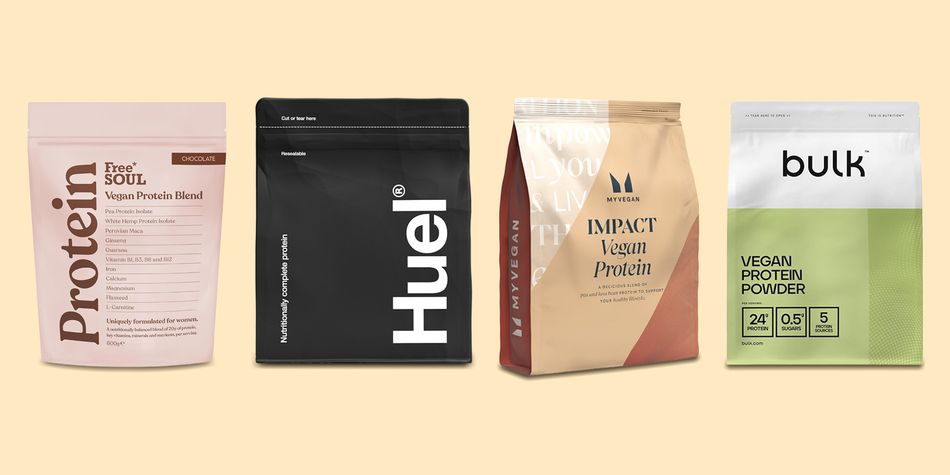
Rob Lilley-Jones: Vegan protein powders – do they work in a similar way or are they a bit different?
Sophie Medlin: They are a bit different in that all whey protein powders – whether it is whey isolate or whey concentrate – they all have 100% bioavailability and they contain the exact right balance of amino acids, which are like the building blocks of protein, to support muscle synthesis and growth. With vegan protein sources, there is a really important variance in bioavailability, which is why as Shefalee said we had to increase the recommended dose for vegan proteins because you do not absorb quite as much of it.
Also really importantly in a vegan protein powder, you need a few different sources of protein in that vegan protein powder to make sure it is complete in all the essential amino acids. It is also really important that they contain the right amount of leucine, which is the building block and the really crucial amino acid for muscle building. So it was more complicated looking at those and trying to understand which ones have got the right bioavailability, but also the right blend of different protein sources to be a complete protein.
Rob Lilley-Jones: Let us move on to creatine – another supplement associated with exercise. Does it work?
Sophie Medlin: Yes, creatine is a really effective supplement for improving muscle function. What we know is that it could potentially help you to push out three more reps on those heavier weights that you are doing, it could help you to sprint for a little bit longer or run for a bit longer and provide your muscles with a bit more energy to do a bit more when you are working out. There is some exciting evidence now around cognitive benefits of creatine, but it is early and so we need to view that with a slightly sceptical eye.
Rob Lilley-Jones: Is it safe to say creatine is a bit more niche? It is not quite as mainstream as protein powder?
Shefalee Loth: It has been niche for years. It is a supplement that has been around for a long time and it is very, very well–researched, but most of the research has all been regarding its use within the gym sphere. Whereas actually now as Sophie said there is more interest around its use to see whether actually it can offer benefits to a wider community.
Rob Lilley-Jones: Is it proven to work? Are there any proven or authorised health claims?
Shefalee Loth: In the UK there are. On the UK register of nutrition and health claims, there are two approved claims for creatine and they are both around exercise. One is about helping you maintain exercise for that bit longer – so helps your muscle growth and it essentially does this by helping you work a bit longer, helping you lift a bit heavier and so building muscle mass through that way. The second health claim is specifically for people over the age of 55, and that is a similar claim about helping them work harder at the gym basically. Creatine by itself is not going to do anything for you; you have got to combine it with that resistance training in the gym.
Rob Lilley-Jones: Who would benefit from using it?
Sophie Medlin: It depends on how these cognitive studies go. At the moment, people who are training regularly and want to improve their performance in training and get just that bit more out of each workout are going to benefit from creatine. One of the things that I would caveat that with is that it does increase your body fluid retention. You maintain more water in your muscles, which is actually one of the reasons why it helps with muscle performance in the gym, but it makes you weigh heavier on the scales. Some people might take it and get a bit of a surprise when they weigh themselves over the next few days.
Rob Lilley-Jones: How much should we take and when should we take it?
Shefalee Loth: Most of the research shows a benefit of a dose of between 3 and 5 grams. If you are going to supplement with creatine, then make sure you are getting between 3 and 5 grams of it. What time you take creatine seems to be a little bit more important than perhaps with protein, where it looks like if we take it immediately after exercise we get more of the muscle gain benefits than we would do if we took it beforehand. That means that you need to take a few days and your muscles will get saturated with the creatine and you will get into a place where you have got plenty of creatine circulating in your body and then you will start to feel those benefits we described in the gym.
Rob Lilley-Jones: What should people be looking for when buying it?
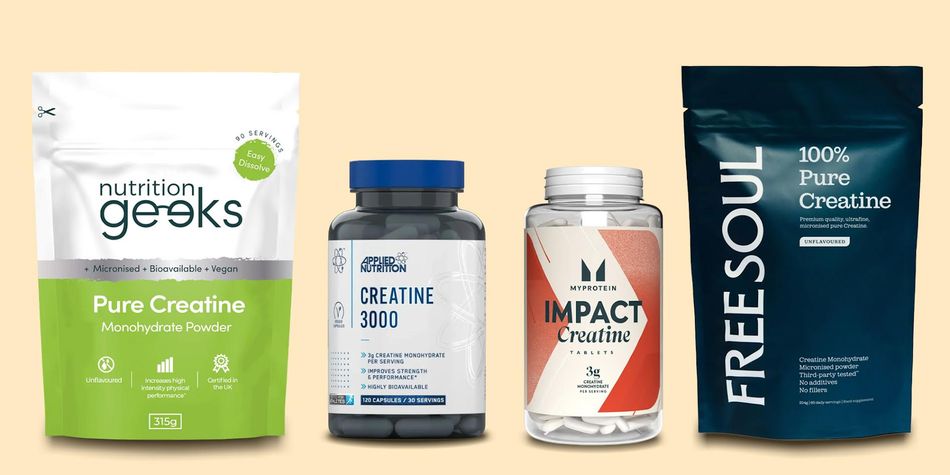
Sophie Medlin: The main thing is to look for a supplement that is 100% creatine monohydrate, and most of them are. You do not need any additives in creatine; you need a relatively low dose of it. You probably want to look for a powder rather than any of the other – there are gummies and there are capsules – unless you really struggle with the powder, then I would suggest you go with a powder that does not taste of anything, could be added into anything. 100% creatine monohydrate and that is what you are looking for.
Rob Lilley-Jones: Shefalee, you do not necessarily agree on the taste?
Shefalee Loth: I do not because I tried to introduce it into my routine and I do not have a protein shake every day. I think if you do that, that is a really easy way to add it in – you just put a scoop in. Because I do not drink protein shakes, I thought how else am I going to get it? I tried to add it to my morning cup of tea and it really ruined it. I found it had a really metallic taste. So actually I think for me it has been harder to get a powder into my daily diet, so I did start looking at capsules and tablets and seeing whether that would be an easier option for me to build into my routine.
Sophie Medlin: I think that is really fair enough. I just put it into water and get it – a small amount of water – and just get it down and I do not find it difficult, but I can understand why that would be.
Rob Lilley-Jones: Any final thoughts you want to leave the listeners with?
Sophie Medlin: I think creatine is coming into its own, and I think 2026 will see lots more people taking creatine and hopefully getting the benefit from that as well in potentially multiple different ways, including cognitive but muscular as well. With protein powders, the important thing to remember is you do not need to listen to so much of the hype about how much extra protein you need. If you find it difficult to get enough protein in your diet – maybe you are struggling to get balanced meals for whatever reason – then a protein shake can be really convenient and can make a big difference in terms of how you are feeling and your energy levels and your muscle mass maintenance, especially in the elderly.
Rob Lilley-Jones: Sophie, Shefalee, thank you so much.
Sophie Medlin: Thank you.
Shefalee Loth: Thank you.