Health? or Hype?
Make the right choice with recommendations you can trust, backed by expert testing.
Explore health recommendations
Kate puts health advice and kit through their paces, from marathon-tested gear to cutting through overhyped supplements

Stats show that certain key vitamins and minerals are slipping through the cracks of the British diet, with potential consequences for our health.
Vitamin D, iron and B12 are the most common deficiencies, but changes in diet patterns have also increased the likelihood of deficiencies in other nutrients, such as iodine.
Having low levels of essential nutrients can have an impact on your health, so it's worth being aware and taking action if needed.
Often this just means aiming to follow a healthy and varied diet where possible. But some groups are more at risk of deficiency for various reasons.
If you suspect you might have an issue, or have symptoms of deficiency, it's important to seek medical advice to confirm the diagnosis. This will identify whether supplementation or other treatment is necessary, particularly if you have any pre-existing conditions or take any medication.

Vitamin D is by far the most common vitamin deficiency in the UK: around 1 in 6 adults and almost 1 in 5 children have levels lower than government recommendations, according to the latest UK National Diet and Nutrition Survey (2019-2023).
Those who are housebound or don't get much exposure to sunlight - and people from Black and South Asian communities - are more likely to have lower levels of the vital vitamin. However, the survey also found that teens were the age group with the highest levels of deficiency.
Our main source of vitamin D is sunshine, which means in the winter months in the UK it’s not possible to get enough, due to low UV levels.
Symptoms of Vitamin D deficiency and why it matters
Vitamin D is vital to support a healthy immune system and for healthy bones and teeth. A deficiency means that you can’t absorb calcium from food, which can lead to weakened bones or even rickets in children.
Severe deficiency can also lead to osteoporosis, osteomalacia (softening of the bones) and hair loss. Other symptoms can include fatigue that persists even with rest, muscle weakness, frequent illness and also low mood or anxiety. Find out more on the NHS guide to Vitamin D.
What to do - and what not to do
Getting enough vitamin D is fairly simple, in that you can take a safe, effective daily supplement. Government recommendations are that everyone should take a 10mcg / 400IU vitamin D supplement between October and March - or possibly all year around if you have darker skin, cover up fully outside or spend a lot of time inside.
It's very hard to get enough Vitamin D from food alone, so don't rely on dietary sources.
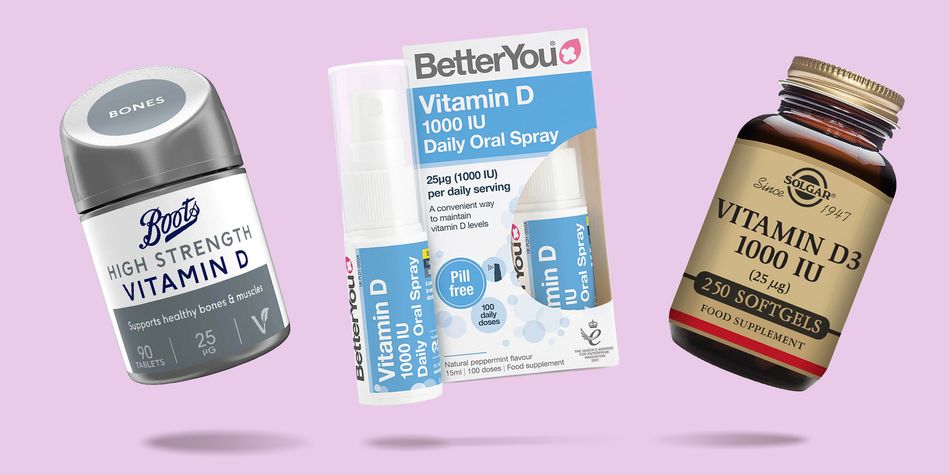
The best Vitamin D supplements - high street options reviewed by Which? nutrition experts, plus tips on dose, format and more

Iron deficiency is common in the UK, especially among young women. Figures suggest that around 8% of women and 3% of men have Iron Deficiency Anaemia.
Low stores of iron (without anaemia) is more common, and it's estimated that around 25% of women in the UK have low iron stores.
Who is most affected?
Women of childbearing age (due to menstruation), pregnant women, people following vegetarian or vegan diets, and those with certain digestive conditions (such as Coeliac disease) that impair nutrient absorption are at the highest risk.
Rapid growth spurts in teenagers can also deplete iron stores.
Symptoms of Iron deficiency and why it matters
Iron is crucial for transporting oxygen. With Iron Deficiency Anaemia, the body lacks enough healthy red blood cells to carry adequate oxygen to the body's tissues. This results in fatigue, weakness and low energy levels that are often mistaken for simple tiredness.
Other signs include paleness, headaches, brittle nails and restless legs syndrome. At the more extreme end, there can even be an unusual craving for non-food items such as ice or dirt (pica). In severe cases, it leads to difficulty concentrating and an impaired immune system.
What to do - and what not to do
The NHS advises that most people should be able to get enough iron from their diet. To prevent deficiency, include iron-rich foods in your diet, focusing on easily absorbed haem iron (from meat) and non-haem iron (from plants).
To maximise absorption, pair iron-rich foods or supplements with vitamin C (for example, orange juice), and avoid eating them alongside calcium or caffeine, which can hinder absorption.
If you suspect iron deficiency, seek medical advice from a professional to establish a diagnosis.
Excessive iron can be toxic, particularly for children, and some iron supplements can cause digestive issues, so it's important to have guidance.
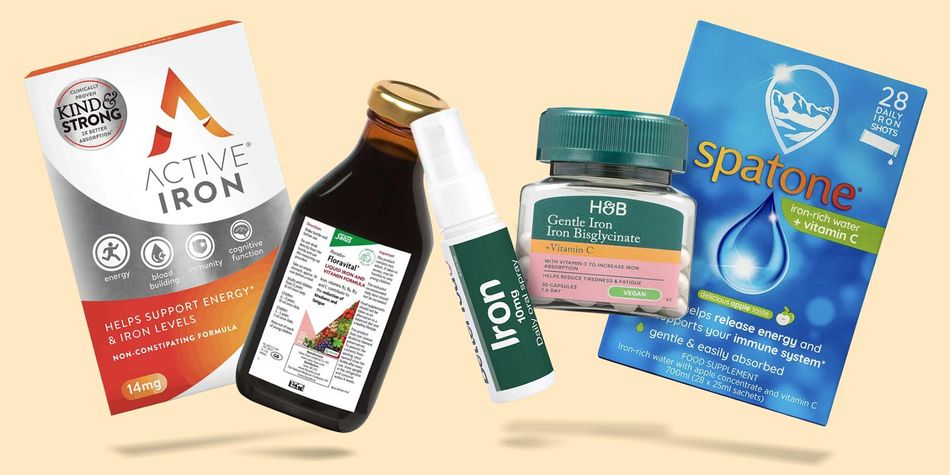
Best iron supplements - see our pick for dose, bioavailability and value for money.

Vitamin B12 deficiency is less prevalent but still relatively common in the UK - particularly among people aged 60+.
It's thought to affect around 6% of people under 60, but around 20% of those aged 60 or more. Among those who follow vegan diets, it is around 11%.
Deficiency can result from low dietary intake or, more commonly in older adults, from poor absorption in the stomach and gut, leading to a condition called Pernicious Anaemia.
Who is most affected?
Vegans and vegetarians are a primary risk group because B12 is almost exclusively found in animal products such as meat, fish, milk, eggs and cheese - as well as fortified cereals.
Older adults (over 60) are also more affected, as the stomach’s ability to produce the acid necessary to separate B12 from food often decreases with age. Individuals who have had gastric surgery or who take certain long-term medications, such as proton pump inhibitors, may also be at risk.
Symptoms of Vitamin B12 deficiency
B12 is essential for nerve function and red blood cell formation. Symptoms can include tingling or numbness (pins and needles) in the hands and feet, poor balance, memory problems, cognitive difficulty and mood changes. In older people this can be confused for dementia symptoms.
A deficiency can also cause severe, persistent fatigue and megaloblastic anaemia (abnormally large red blood cells). See the NHS guide to vitamin B12 for more.
What to do - and what not to do
If you follow a plant-based diet, getting additional B12 from supplements and/or fortified foods (like some cereals and plant milks) is essential.
However, if the deficiency is due to poor absorption, then dietary changes or standard supplements may not be effective. In these cases, a GP will usually prescribe high-dose oral supplements or even B12 injections to bypass the impaired gut absorption. If you think you might be affected, see your GP.
How to build a balanced vegan diet and avoid nutrient deficiencies - expert tips on the pitfalls to steer clear of

Iodine deficiency is on the rise in the UK, mainly due to changes in dietary habits. As a population, we now consume fewer dairy products and more plant milk than previously. And, unlike in many countries, the UK does not have a mandatory salt iodisation policy (where iodine is added to salt).
Who is most affected?
Pregnant and breastfeeding women have significantly increased iodine requirements. Studies have shown that teenage girls, who often limit milk intake, have particularly low iodine status.
The UK Diet and Nutrition Survey notes that there has been a significant decrease in adequate iodine levels over the past decade, of 25% in adult men and women. People who avoid dairy products and oily fish — the main dietary sources in the UK — are also at higher risk.
Symptoms of iodine deficiency
Iodine is vital for thyroid hormone production, which regulates metabolism, energy and growth. Deficiency can cause the thyroid gland to swell, leading to a visible lump in the neck, known as a goitre.
Other symptoms include fatigue, weight gain, feeling cold and dry skin. In pregnant women, severe deficiency can impair the physical development of the baby. Read more in the NHS guide to iodine deficiency.
Make the right choice with recommendations you can trust, backed by expert testing.
Explore health recommendationsWhat to do - and what not to do
It’s best to try and get an adequate intake through your diet, consuming foods like dairy milk, yoghurt and sea fish. Seaweed is very high in iodine, but intake can be hard to monitor and potentially risky, as excessive intake can harm your thyroid.
Supplements should be used with caution, particularly for those with existing thyroid conditions. As always, see a healthcare professional if you have symptoms of deficiency or are concerned.
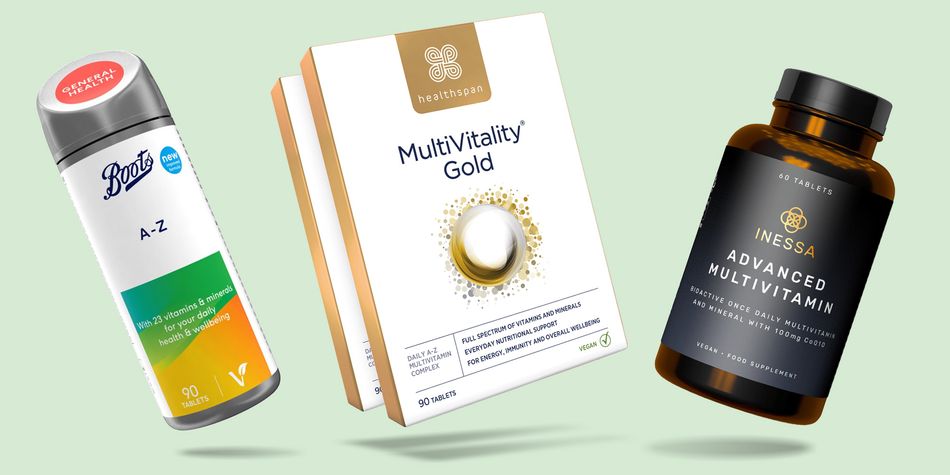
Best multivitamins - in need of an all-rounder top-up? See our reviews and advice on multivitamin supplements

While severe calcium deficiency is rare, it is very common for a low dietary intake over time to contribute to poor bone health, particularly among adolescents and young adults.
Calcium is the most abundant mineral in the body and is critical not just for healthy bones, but also for muscle and nerve function.
Who is most affected?
Teenagers, who are in a critical period for bone mass development, often have intakes below recommended levels, as do people who avoid dairy due to allergies, lactose intolerance or veganism. Post-menopausal women are also more susceptible, due to hormonal changes that accelerate bone loss.
Symptoms of calcium deficiency
In the short term, low calcium can cause muscle cramps, tingling in the fingers and toes, and lethargy. The most significant long-term consequence is the development of osteoporosis, a progressive condition where bones become brittle and fragile, dramatically increasing the risk of fractures later in life. In children, chronic low intake prevents the development of maximum bone density.
What to do - and what not to do
The best way to ensure adequate calcium intake is to eat a varied diet rich in dairy - or fortified alternatives - green leafy vegetables (such as kale), and fish with edible bones (such as sardines). If supplementing, it's important to ensure adequate vitamin D intake as well, as vitamin D is necessary for calcium absorption in the gut.
However, as always, supplementation should ideally be discussed with a medical professional, as excessive calcium intake - especially via supplements - has been linked to potential cardiovascular risks.
Plant-based milks compared: what to look out for and how to choose

Magnesium is a vital mineral involved in everything from muscle and nerve function to blood sugar control. Severe deficiency is uncommon in healthy people, but suboptimal intake is widespread across the UK population because modern diets often lack wholegrains, nuts, and seeds.
Who is most affected?
People with chronic digestive issues (such as Crohn's disease), those with type 2 diabetes, chronic alcoholics and people taking certain medications (for example, diuretics) are at a higher risk of deficiency. General suboptimal intake is common for anyone with a diet lacking in wholegrain and plant-based foods.
Symptoms of magnesium deficiency
Common signs of deficiency include muscle twitching, tremors and cramps (often nocturnal leg cramps). It can also manifest as fatigue, weakness, headaches, anxiety and heart rhythm irregularities.
What to do - and what not to do
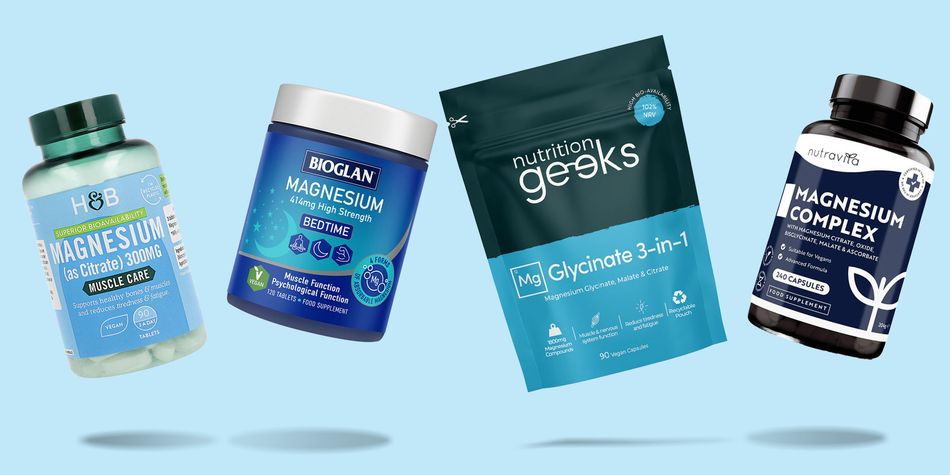
Increase consumption of magnesium-rich whole foods such as pumpkin seeds, almonds, cashews, wholemeal bread and spinach. Magnesium supplements can be effective for those with low levels (see our guide to the best magnesium supplements here).
If you're concerned about symptoms, or have any other conditions, it's best to discuss this with your GP before heading for the supplement aisle.