Health? or Hype?
Make the right choice with recommendations you can trust, backed by expert testing.
Explore health recommendations
Having worked at the BBC and in commercial radio before joining Which?, James produces our always-on podcasts, and oversaw the launch of our member-exclusive podcasts in 2025.

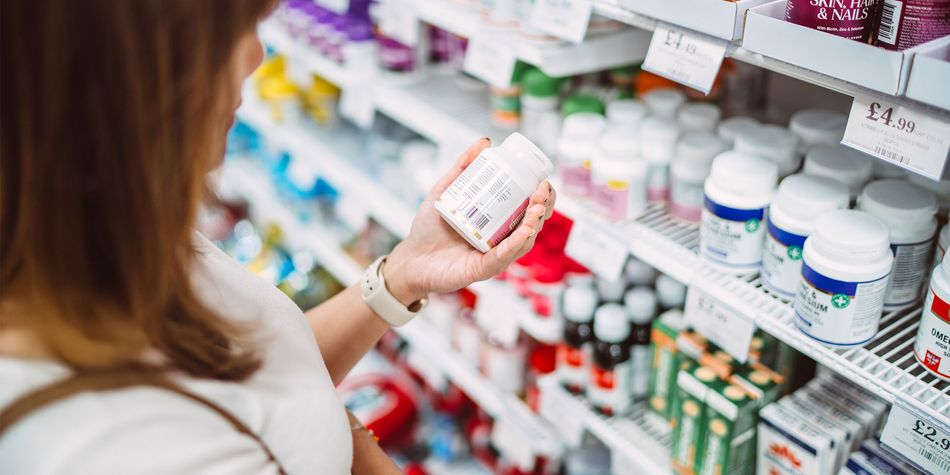
The supplement industry is booming, but do we really know which vitamins should form part of our daily routine?
In this episode of this six-part podcast series focussing on improving your health (first published 26 May 2025) Rob Lilley-Jones is joined by Which? public health nutritionist Shefalee Loth and Sophie Medlin, the founder of City Dietitians to discuss whether or not you actually need to take some of the most popular vitamins and supplements.
Plus, we share our best advice on how you should supplement your intake if you live a vegan lifestyle.
Rob Lilley-Jones: The supplement industry is booming, but do we really know which vitamins should form part of our daily routine? Welcome to this podcast from Which?. I'm Rob Lilley-Jones and joining us on today's episode, giving you expert advice and recommendations to help you live your best life every day, we have Shefalee Loth, the public health nutritionist here at Which?. Hi Shefalee.
Shefalee Loth: Hi.
Rob Lilley-Jones: Great to have you back on the series, of course, and also we are joined today by Sophie Medlin, a dietician and founder of City Dietitians here in London.
Sophie Medlin: Hi, thanks for having me.
Rob Lilley-Jones: Brilliant to have you here, thank you both for being here. Shefalee, kick off with you, if that's okay. On the surface of it then, taking supplements seems the right thing to do?
Shefalee Loth: I would say not necessarily. As you said, the supplement industry is booming, and our research shows that a lot of people are taking supplements regularly, but actually, if you're following a balanced healthy diet, most of the time you probably don't need to be adding something into your diet. I guess the exception to that is vitamin D, which I think we'll move on and talk about.
Rob Lilley-Jones: Yeah, we'll talk about vitamin D later on as you say. This is really interesting. I don't know if this is an unusual question to ask, but let's find out. Sophie, can you take too many supplements?
Sophie Medlin: Yes, absolutely. Patients come to my clinics either with a huge list of supplements that they're taking and we end up stopping at least half of them, or they're not taking anything at all when they really should be because they've cut things out their diet or whatever it might be. So, it's trying to manage people into the middle of that. And absolutely you can take too much of various different things, particularly fat-soluble vitamins, which your body can't process and excrete as easily as other vitamins. So we do have to be really careful. Even vitamin D, you can take too much of, and people are taking it in supplement form, and it's in functional foods, and it's in protein powders, and it's in everything else. So we do have to be careful, particularly if you have any sort of medical condition, you're taking certain medications, things that there is a lot of caution. Vitamin supplements are by no means benign, we do need to be careful with them.
Rob Lilley-Jones: This is an industry that you've been working in for a long time now. Is it safe to say that there's more interest now in vitamins and supplements than there's ever been before?
Sophie Medlin: Yes, absolutely. It's growing exponentially. I think what we're seeing, which is really nice at the moment, is a real drive towards better quality supplements, people recognising that actually the supplements that are out there are probably not as good quality as they could be, and people driving towards evidence-based management of different conditions through vitamins and supplements. Also more targeted benefits, saying for example you've got irritable bowel syndrome, here would be a great supplement bundle for you. That sort of thing can work really well for individuals because that choice out there is massive and really overwhelming for people.
Rob Lilley-Jones: It's a bit like some of the other things we've already spoken about on this health and wellbeing series, it's not a one-size-fits-all for everyone. It's not like I could take, for example, a vitamin D supplement, somebody else could take a vitamin D supplement, but actually maybe vitamin D's the wrong example, but actually it doesn't benefit me as much as it would benefit someone else and vice versa.
Sophie Medlin: Yes, and actually vitamin D's a great example because the darker your skin is, the more vitamin D you need to be taking because the less you can harvest from sunlight. So actually, it's a good example because when I'm working with patients, for example, I will be giving them a tailored idea about what dose of vitamin D I'd like them as an individual to take based on their ethnic background, for example.
Rob Lilley-Jones: I think one thing that we do have to be careful of, of course, in this space – Shefalee I come to you first and then Sophie be great to get your thoughts on this – we're definitely seeing, aren't we, we've said more people are interested in this space than ever before. A lot of that is presumably down to social media, influencers. That can come with its own pitfalls as well. It's good that people are interested in this space, but if they're not being taken to the right source of information, that's obviously a problem.
Shefalee Loth: Yes, absolutely and there are people on social media who aren't qualified in this space but are recommending products. Sometimes they're really high-dose vitamins or supplements, like Sophie was saying, that bring along real risks with them. I think what's also really important here is that yes you can take a supplement, but it's not going to replace a healthy balanced diet. So you can't have a terrible diet and think you can solve it by popping one or two pills a day. Actually, really, these can supplement your diet but they shouldn't make up your diet or be the basis of where you're getting your nutrients from.
Rob Lilley-Jones: We always say that there's no room for nuance on social media. So as you've just said there, Shefalee, Sophie, we presumably, and we do, see these influencers who are on these platforms and they go "Oh take this and you can eat what you want". That's a very simplified message, but often the messages are quite simple but not correct.
Sophie Medlin: Yeah, totally. And one of the things I think people don't necessarily realise is that anyone can make a supplement. So I've worked in formulating and making supplements for many years. One of the things that people – and the industry really is the Wild West, it really is. Any influencer can go and say "Can you put this into a capsule for me and I'm going to sell it on my social media channels?" and the manufacturers will happily do that. There's very little checking for safety, for compliance, for making sure that these things actually contain what they say they do. And that to me is a really terrifying space. The other thing that we notice through social media is trends like gummy supplements which look cute on social media and can look really appealing, but actually often they're not doing very much at all.
Rob Lilley-Jones: And in all of this then, do we care enough about the science? Do we think? Obviously the science is so important in this area, but we live busy lives, there are so many different sources for information, we've already mentioned of course the social media space, but it can seem quite daunting because if you do want to read all the science behind these supplements, there's a lot to read.
Sophie Medlin: Yeah, it is difficult for people. And I will say that a lot of the new start-ups coming into the multivitamin space, they're all saying that they're evidence-based, they're all saying that they're science-backed and all this kind of stuff. There's no space now for new supplement brands to be just like "oh here's a bog-standard supplement" unless you're an influencer and you've got a huge captive audience. And I think there's some polarity in the consumers, in that we have this group who are trying to read everything and trying to understand everything and want things to be evidence-based, but are totally overwhelmed by the mega amounts of evidence that's out there – evidence that perhaps is very poor quality. And the consumer who just goes "I just want to take what I'm told to take because I'm overwhelmed by it" and those people may well be influenced by social media influencers and things like that which is a difficult space for everyone to navigate, whether you are someone who really holds onto evidence and is really passionate about it or someone who really doesn't care about that and just wants to take the latest thing.
Rob Lilley-Jones: And sometimes it can be, as so often in any area of the world and information at the moment, it's who shouts the loudest.
Sophie Medlin: Totally.
Shefalee Loth: And also we know that people take things that their parents or their family or their friends have recommended, but that doesn't mean it's right for you. Just because it works for one person doesn't mean it's going to be appropriate for you.
Rob Lilley-Jones: Perfect segue Shefalee, because now let's talk about what vitamins and supplements might be right for you. I think this is really important. And if we kick off with one that we have mentioned so far – we mentioned vitamin D as an example that can be very beneficial for some people. So, Sophie, if we talk about vitamin D, why is it important?
Sophie Medlin: Vitamin D's important for many different functions in our body, including things like regulating our immune system, supporting our bone health, it's also really important for controlling inflammation within the body. And the reason that we talk about it all the time is because it's really common that we're deficient in vitamin D. And that's because we largely generate vitamin D from sunlight. And living in the northern hemisphere, it's very difficult to get enough sunlight every day to meet our vitamin D needs, particularly during the winter months. And the great news is the government's now said everyone should be taking vitamin D during the winter months which, I do various talks in big rooms sometimes and I ask people to put their hands up if they are taking vitamin D in February and maybe half the room will be taking it, so we're still not quite there in terms of that messaging, but it is such an important nutrient to remember, especially if you live with any inflammatory condition, autoimmune-type conditions. If it becomes deficient, then those kinds of problems can become more out of control. And I would add to that any bone health problems, if you're breastfeeding, if you're pregnant, any time that your body's under a bit more pressure, vitamin D becomes more important. And we use up more of it, so we need to take more of it sometimes to compensate.
Rob Lilley-Jones: And just to reiterate a point that did come up earlier on in the discussion as well, there are certain groups of people who vitamin D would be more beneficial than others.
Sophie Medlin: Yeah. So my husband is Somali, so he's very dark-skinned. So I make him take extra vitamin D even in the summer, because I know he's just not going to be able to get enough from the sun, he works indoors etc. Whereas myself, I'm a ginger, I don't need as much vitamin D as other people. My skin is much paler and so I can generate much more vitamin D from smaller amounts of sunlight. And essentially we're a good example of the scale that exists within humans. So we all need to be taking slightly more vitamin D, the darker our skin is, the more vitamin D we need to be thinking about taking both through the winter months and through the summer months, whereas someone who is much lighter-skinned may not need it during those summer months, but may also choose to take it all year round just because it's part of their supplement stack and there's not necessarily any harm in doing that.
Shefalee Loth: There are other groups as well who are more susceptible to deficiency and that's if you're elderly and you spend a lot of time indoors or that when you do go out, your skin is covered or if you're slathered in SPF as well, you won't be harvesting enough vitamin D from the sun. So if you fit any of those categories, it's worth taking a supplement all year round as well.
Rob Lilley-Jones: Really good to know, really good info there. If we move on from vitamin D then to something else that we all need, which is iron. Can we get enough of it from our foods or should we be taking a supplement as well to help give us that extra boost that we might need?
Sophie Medlin: With iron, it's very much case-dependent. So I work a lot with the endometriosis community who suffer from very heavy bleeding, for example. Those people are much more likely to require more iron than someone like a man, for example, who doesn't have a menstrual cycle. So ultimately it's about an individual case-by-case. If you're eating red meat approximately once or twice a week, if you're eating some eggs in your diet, the chances are you probably don't need any iron supplementation. If you're falling outside of those categories, a blood test from your GP to check if you're iron deficient is the most important thing to do because blindly supplementing iron when you don't need it can not be so good for us in terms of our general health. So it's something that your GP will happily do for you, especially if you've got any symptoms of anaemia, so iron deficiency, and then you can supplement appropriately.
Rob Lilley-Jones: Can we go into what some of the symptoms are if you are iron deficient?
Shefalee Loth: Yeah, so basically we need iron in our blood, it carries our oxygen round our body. So if you're deficient, you might get short of breath, you might feel tired and lethargic, you might find it quite hard to concentrate. So if you have any of those symptoms, then do get a blood test like Sophie said because actually, iron supplements can have quite unpleasant side-effects. So they don't suit everyone, so you don't necessarily want to be taking them if you don't need them.
Sophie Medlin: Lots of people are going to commercial blood test companies now and not necessarily going to their GP. And for me, a real red flag warning sign of other possible things going on is anaemia. And so I worry about people who are potentially going to one of the private blood testing companies, getting that test and being sold iron supplements without anyone going "Hang on, why are you anaemic, what's causing that?". Most of the time it will be a dietary reason, people are much more likely to reduce red meat intake and perhaps not having so many eggs in their diet for example. But for men in particular, if you're anaemic, really important to find out why and what's going on and we don't want to miss anything – men and women, but generally I want to make sure we understand why someone's anaemic, not just go "Oh you're anaemic, take some supplements". Same goes for most things actually.
Rob Lilley-Jones: It might be a quick fix, but actually you're not getting to the root of the problem at all.
Sophie Medlin: Absolutely.
Rob Lilley-Jones: And Shefalee, what about foods that are rich in iron? Obviously if we don't necessarily want to be taking supplements or we don't need to be taking the supplements, what are the foods that we should be eating?
Shefalee Loth: Well like Sophie said, if you're eating red meat once or twice a week, then you probably are getting enough iron. Sardines, eggs are also good sources of iron. If you're looking at vegetable sources or vegetarian sources then actually you're looking at green leafy veg, dried fruit, beans, lentils, pulses. If you don't eat meat, then when you do have a vegetable source or a plant-based source of iron, it is advisable to take it with vitamin C because that will help absorption.
Rob Lilley-Jones: We will talk about vegans and vegetarians a little bit later on, which is of particular interest to me because my wife is vegetarian, so we'll come onto that a little bit later on and finding out whether actually if you do live a vegetarian or vegan life, whether you do require any additional supplements. But if we talk about vitamin B12, so this is something else of course that is crucial. Most of us should get enough through our diet, is that fair to say?
Sophie Medlin: It's a tricky one with B12. So there are no plant-based sources of B12, only fortified food, so where B12 has been added artificially, or something called nutritional yeast, so it's quite a niche product that people would have to use. So within a general omnivorous diet where you're eating fish, meat, eggs, having some dairy, chances are you don't need any additional B12. There is a subset of people, and this might be too niche but it's something I work a lot with, which is people who've had bowel surgery and the very last part of your small bowel absorbs vitamin B12 and many, many people have that resected or taken out for various different reasons. And so those people can't ever absorb B12 so they will need injections and blood testing is reasonably effective, but we ideally need a blood test for active B12, which lots of GPs struggle to do. So there have been some recent guidelines come out that suggest that actually for GPs, if you are at the lower end of B12, the normal B12 range, and you're symptomatic of deficiency, that you should have injections to replace it anyway, particularly if you have a reason why you would be B12 deficient such as having had bowel surgery for example.
Rob Lilley-Jones: And what is the benefits of B12? If, as you say, someone's had bowel surgery, for example, they're not getting B12, what could the impact of that be and why is B12 so important?
Sophie Medlin: So the most common symptoms of B12 deficiency that I see, and I see a lot of it, is mouth ulcers or soreness of the tongue – something called glossitis where the tongue is swollen and cracked and maybe a different colour. People can get tingling in their hands and feet or sensation changes. Sometimes it's like muscle twitches when they're trying to go to sleep, not always but that's just one of the things I've noticed that people report. Coldness maybe. The big thing is fatigue. So people feel really, really exhausted and worn out all the time and when they have that magic B12 injection or we get their B12 up by other means, it's like turning the batteries back on and they come back to life and it's a wonderful thing as a clinician to support people with. But also, you know, it might be that someone's vegan, vegetarian and not getting enough B12 and taking those supplements can really make a big difference to their quality of life and how they feel as a person. Severe B12 deficiency can cause mental health disturbances, mood changes, depression, anxiety, even forms of paranoia and things like that. So if we miss it, it's really profound in people.
Rob Lilley-Jones: You mentioned vegetarians and vegans there, so I think actually let's come onto that now then. I mentioned my wife is vegetarian. As a result, we don't actually eat huge amounts of – well she doesn't eat any meat obviously – but I myself don't eat a huge amount of meat in the house as part of my regular diet. So should people living that vegetarian, vegan lifestyle Shefalee, should they be taking more supplements to replace maybe what they're not getting otherwise?
Shefalee Loth: I think we should probably separate vegetarians and vegans here because actually, if you're thinking about the key nutrients in the diet that you might be missing as a vegan, they're probably iron, vitamin B12, zinc, iodine, omega-3 and maybe some calcium.
Rob Lilley-Jones: Quite a few.
Shefalee Loth: Quite a few, and actually if you're vegetarian, you will be eating some animal-based products such as eggs and cheese. So you will be getting the calcium and the B12 etc from those foods, whereas if you're vegan and you're avoiding all of those animal sources, then actually it can be quite hard to get some of those nutrients, especially B12 like Sophie said, and you might be needing to supplement. Now calcium you can get from a vegan diet and actually if you've cut out dairy products, as long as you're replacing milk with a calcium-fortified plant milk, then actually you might be getting enough. So it's not a concern necessarily. Iodine, which is normally found in seafood, you'll be able to get from seaweed or also fortified plant milks. Breakfast cereals are sometimes fortified with B12 and iron as well. So there are sources, but it's not as easy to get them. So actually if you are a vegan, you might want to consider supplementing.
Sophie Medlin: Yeah, I totally agree. I think it's – I was really criticised at one point for saying publicly that it's much more difficult to meet your nutritional requirements on a vegan diet and I think now it's accepted fact, which is great. Much more comprehensive and also individualised supplementation is really important if you're following a vegan diet, especially if you're thinking about raising your children as vegan or you have an additional health concern, so maybe problems with absorbing nutrients or any distress with any of your organs for example. At that point it's really important to seek some professional advice on supplementation. The Vegan Society has some excellent advice on supplementation and so following those sources is really, really helpful and looking for the right level of information for what's right for you is key.
Rob Lilley-Jones: And just before we get to the break Sophie, omega-3, if we're not eating fish, should we have it?
Sophie Medlin: Yeah, I'm a big fan of omega-3 supplements. The first thing to say is if you're eating two portions of oily fish – so salmon, mackerel, sardines – a week, you probably don't need to supplement it. If you're not, which is 90% of the UK population, I think we would massively benefit from supplementation for various different reasons. If you're buying an omega-3 supplement, you can get a fish oil-based one which should contain EPA and DHA, the really important components of omega-3, or you can get an algae oil-based one which is vegan and that should again on the label we will be looking for EPA and DHA. Those are the two really important elements of omega-3 that we want to be taking.
Rob Lilley-Jones: Okay we have already touched on some of the vitamins and supplements that could be useful for us of course, but what about those that we might look to avoid? Shefalee, a word that I'd not heard before until we started recording this programme – glucosamine. What is it?
Shefalee Loth: You'll find glucosamine in supplements that are targeting joint health. But actually, as an ingredient, glucosamine has no authorised health claims. So in a joint health supplement, you'll also find vitamin C, perhaps vitamin D, where the health claims are attributable to that ingredient. So it might say helps cartilage, helps collagen production etc, but actually it's not because of the glucosamine, it's because of those other added ingredients.
Sophie Medlin: Something gets a health claim, a registered health claim, when it's got plenty of evidence to show and demonstrate and prove that it can do what it's saying it's doing. And so something like glucosamine just hasn't got the level of evidence required for it to be allowed to have any kind of health claims. And that doesn't mean that it's not going to do anything for anybody and it's useless, it just means that probably it's less effective than some of the other things that we should be taking as a primary benefit. And what companies do really sneakingly is to use a health claim, you only have to put 15% of that nutrient of your NRV – so your requirement of that nutrient – into the supplement. So it could be that it's lots of glucosamine, a tiny bit of vitamin C, but the vitamin C is doing all the lifting in terms of the claims that are made on the package.
Rob Lilley-Jones: Well off the back of that then, you've mentioned vitamin C. I mean it sounds like the vitamin C is doing a lot of the heavy lifting when it comes to glucosamine and those supplements, but do we need vitamin C?
Sophie Medlin: I never recommend people take vitamin C unless for a very specific medical reason they can't eat any fruits and vegetables, which is super rare, then I never tell anyone to take it because you can get it so abundantly from pretty much any fruits and vegetables that you really just don't need to take it in supplement form. And worst-case scenario have a bit of orange juice and you'll be getting plenty of vitamin C for the day. So it's not something – people do spend a huge amount of money on expensive vitamin C supplements. Now we have liposomal vitamin C which sounds super fancy and beneficial, but in reality there's no great benefit to taking vitamin C in supplement form. You're much better off just having plenty of plants in your diet.
Shefalee Loth: And I think with vitamin C, it's a water-soluble vitamin so your body can't store it. So actually, once you've absorbed what you need for the day, you're excreting it. So essentially you've got really expensive pee.
Rob Lilley-Jones: Yes, so a lot of money potentially that isn't doing a lot of work. Right, well that was nice and easy then. So vitamin C, we can not bother with that one, okay. So, collagen. This is a word we've seen on a lot of skin creams, there are edible supplements I know for this as well. Where do we stand with collagen? Is it a good thing? Is it a bad thing? Can it do some good? I know this is especially something we see a lot on social media.
Sophie Medlin: Collagen is absolutely huge. So there's a few things to think about. There was some really interesting studies suggesting that if you have a joint injury, that taking collagen supplements can help it to heal more quickly. And they were really nice controlled studies done in athletes and people who are generally being studied for lots of different reasons in really high-quality labs. So we know that if you have an injury, taking collagen may help recovery from that injury. My patients now ask me "If I'm having surgery should I take collagen?" and I say "We don't know yet, I probably would if I was having surgery", but we don't know for sure yet. And then we come onto the beauty claims and the beauty stuff and there is some new and interesting and emerging evidence around collagen and skin health and hair health and nail health. A lot of it is self-reported. So it will say "After taking this supplement for six weeks, I think my skin looks a bit better or brighter or my wrinkles are less noticeable". The quality of that research is often not great. There is some more interesting research coming through but it's very early days and people are spending a huge amount of money on collagen supplements and I think we need to take a bit of a measured view to it, perhaps even for another year or two before we make decisions about whether it's something – it's certainly not something that I recommend without someone asking me about it first.
Rob Lilley-Jones: The simple summary of collagen then is possibly.
Sophie Medlin: Maybe, yeah. And also it could, by the sounds of it, have a bit of a placebo effect where, as you said, there's a lot of self-reporting, so because you're taking collagen and because you're using it and you've spent lots of money on it, you are willing your skin to look better so therefore you want to say it is working.
Sophie Medlin: Yeah. And one of my very clever dermatology colleagues said that if you're someone who's spending a lot of money on collagen, you're probably also spending a lot of money on skincare generally, moisturisers, blah blah blah, Botox maybe, all the other things. So in fact is it the collagen or is it all the other things you're doing that is making that difference?
Rob Lilley-Jones: And on collagen, there's also vegan collagen. Is that doing anything?
Sophie Medlin: Yeah. So we can get marine collagen obviously coming from fish, we can get bovine collagen which comes from cows and then we can get vegan collagen peptides. There's no vegan source of collagen, so it's not a natural source of collagen in the same way that collagen from cows or fish is. It's generally made up from different amino acids, so different fractions of protein pieced together to look a bit like collagen. There's absolutely no evidence that there's any benefit of vegan collagen and I will eat my hat if there ever becomes any evidence for vegan collagen in proper research studies. As a vegan, it's really important to get enough protein in your diet from lots of different protein sources and then you'll get the same sort of benefit you would get from a vegan collagen supplement anyway.
Rob Lilley-Jones: And Sophie, I know something else that you were keen to touch on here was IV vitamins as well. Again, very, very popular.
Sophie Medlin: Yeah. I mean this is a real bugbear of mine, so excuse me while I go off on a tangent. But there's a reason why we can't access our bloodstream as humans, we're not supposed to be able to and we do under very special medical conditions. But there's absolutely no reason or justification for accessing your bloodstream to put vitamins in there unless you're in intensive care in hospital and there's no other way of you accessing vitamins. We have very specially designed and incredible gatekeepers to nutrition in our gut which stop us from getting too much vitamin C into our bloodstream, too much anything else into our bloodstream and they're there for a reason to protect us from the potential damage that these things could do in high doses entering our bloodstream. So, people having them in shopping centres, out the back of their hairdresser's car, in the back of their hairdresser's salon, nobody should be doing this. I think it's a real, a really dangerous area and I really hope in the very near future it's highly regulated. The NICE guidelines – so the National Institute for Clinical Excellence – say that nothing should be given intravenously while you have a function to be able to take it through the mouth and in the enteral tract, so your GI tract. And that includes fluids, that includes any vitamins and minerals. It's a really high-risk procedure. We've seen celebrities where it's gone wrong, we've seen people die from having intravenous vitamin drips. I really hope very soon it's regulated, but I really want to push everybody away from doing that at any point in their life unless it's medically necessary.
Rob Lilley-Jones: Really, really important, really, really important, so thank you for saying that Sophie. And we talked earlier on, didn't we, about the boom of these supplements on social media. But where should we actually be buying them from? And also, as a secondary question to that, how can you tell what is a good supplement?
Shefalee Loth: So first of all I'd say if you're buying your supplements, buy them from a reputable retailer or outlet. We've seen on online marketplaces such as Amazon, eBay etc, really high-dose supplements that you shouldn't really be buying. So try and buy from a trusted brand. And also get your advice from a trusted brand. So if you're not speaking to a health professional, look on the NHS website to see what the recommended daily dose is. Don't get it from your favourite celebrity on Instagram because actually they are not trained in this, they're just being paid to promote a product. At Which?, Sophie and I are actually working on a project where we are starting to look at the supplement industry and look at products that are on shelves and we've created an evaluation framework where we're going to be judging them on the nutrients that are in the supplement, the bioavailability of those nutrients, the dose in the supplement and also what other additives are in these supplements. So hopefully we're going to get to a stage fairly soon where we can rank a range of supplements from good to bad.
Rob Lilley-Jones: So watch this space on that one, but it does sound like a really exciting piece of work because we will be able to say yes this works, no this doesn't work.
Shefalee Loth: We won't be saying it works, we'll say this is better than this one.
Rob Lilley-Jones: Perfect, that's why Shefalee does the job that she does.
Sophie Medlin: It is exciting and I think people really want it, people want to be making good decisions, but the industry is so tricky to navigate for consumers that it's really nice to be able to lead people in the right direction and actually to have the chance to look at some of these supplements and think "What have you done?" or "Great product, that's really nice".
Rob Lilley-Jones: And Sophie as well, just to touch on, how could somebody know, how can somebody find out that they would benefit from taking a supplement?
Sophie Medlin: Yeah, really good question. I think as a dietician my first instinct is always to say go and see a dietician and get your diet analysed and look at what your lifestyle looks like and what sort of level of nutrients you may need to supplement in order to compensate for the lifestyle that you lead or the diet that you're having or whatever it might be. But as a general regular consumer, I think it is really difficult for people to understand what that might be. As we've said before, there is some great guidance from the Vegan Society for example. If you did some searches for blogs from dieticians or regulated health information you might find out what you might need to supplement if you've cut out dairy or if you don't eat fish for example. But it is difficult for people to navigate on their own and it's so easy to be led down the path of marketing information and people wanting to sell you things before you know it you've gone from looking at an evidence-based source and looking at something reliable to something that's just trying to push supplements at you.
Shefalee Loth: And I think it's really important to reiterate here that supplements aren't benign. Most of them that you buy on the high street aren't going to cause you harm, but actually there are some ingredients that can interact with medications you're taking. So if you are on regular medication, then don't add a supplement into the mix without checking with your doctor or pharmacist.
Rob Lilley-Jones: Shefalee, Sophie, it has been really useful. For me, hopefully as well for the listener, just listening to us navigate what is often a really confusing world. So thank you very much for doing that and yeah, Sophie thank you for being here.
Sophie Medlin: Thank you very much for having me.
Rob Lilley-Jones: And Shefalee as ever, thanks very much.
Shefalee Loth: Thanks.
free newsletter
Sign up for our Healthy Living newsletter, it's free.
Our Healthy Living newsletter delivers free health and wellbeing-related content, along with other information about Which? Group products and services. We won't keep sending you the newsletter if you don't want it – unsubscribe whenever you want. Your data will be processed in accordance with our privacy notice.
Get the Which? lowdown on popular health topics, with insight from leading experts and our in-house research team. More episodes from our healthy living podcast series:
The Which? podcast showcases the best content from across our website and magazine.
Which? Money episodes, released on Fridays, give advice to help you get on top of your bills and tackle the issues hitting your pocket, from spiralling energy costs to your weekly food shop.
The Which? Shorts podcasts offer you a free insight into some of our favourite articles from our suite of magazines.
Plus, keep an eye out for bonus episodes that tackle important issues, from motoring to tech, and from health and wellbeing to travel.
Make the right choice with recommendations you can trust, backed by expert testing.
Explore health recommendationsWe're always releasing new episodes, and the podcast is available wherever you usually listen to podcasts.
Subscribe using one of the links below or click this link on your mobile to find us in your favourite podcast app.
As part of your subscription, Which? members also get access to exclusive podcasts.
If you're not already a member, podcast listeners can get 50% off the first year of an annual membership.