By clicking a retailer link you consent to third-party cookies that track your onward journey. This enables W? to receive an affiliate commission if you make a purchase, which supports our mission to be the UK's consumer champion.
You're probably using bleach wrong – here's why, and how to use it properly

Drawing on nearly half a decade at Which?, Natalie helps readers cut through the noise with practical guidance on trending products, pest control, cleaning advice and money-saving tips during the sales.

When used correctly, bleach can be one of the hardest-working products in your cleaning arsenal, but it’s not a magic solution for every mess.
A splash on the wrong material, an incorrect dilution or a dangerous combination with another product can have consequences that are difficult to undo.
After years working as a professional cleaner, I’ve learnt where bleach works best – and when it’s better left on the shelf. Here are my essential do's and don’ts to get the benefits of bleach while avoiding common pitfalls.
From loosening stubborn dirt in your oven to the best way to look after wooden floors, these are the cleaning tips I swear by as an ex-professional cleaner
DO: Use the right type of bleach for what you're cleaning

One reason bleach is so commonly misused is that many people assume all bleach products are the same.
In reality, there are several different types available, and using the wrong one can lead to poor results or damage to surfaces.
- Chlorine bleach (sodium hypochlorite) is the type most people think of when they hear the word 'bleach'. It's a powerful disinfectant that can kill bacteria and viruses while also whitening fabrics and removing stains. This is the product typically used for disinfecting hard surfaces, cleaning your toilet, sanitising bins and lightening white laundry. However, it's also the most likely to cause discolouration and surface damage if used incorrectly. Household bleach usually contains approximately 5% sodium hypochlorite, although some may contain up to 10%. Industrial bleaches are usually more concentrated, containing up to 50% sodium hypochlorite.
- Colour-safe bleach (oxygen bleach) works differently. Usually containing ingredients such as hydrogen peroxide or sodium percarbonate, it helps remove stains and brighten fabrics without the harsh whitening effect of chlorine bleach. It's generally safer for coloured clothing and is often found in laundry boosters and stain removers. While effective for cleaning, it isn't always as powerful a disinfectant as chlorine bleach. For more laundry tips, see our advice on how to wash clothes, towels and bedding.
- Hydrogen peroxide-based bleaches are less common, but sometimes found in household cleaners. They can be effective for stain removal, whitening and some disinfection tasks, while producing fewer strong fumes than traditional chlorine bleach. They're often used on surfaces where chlorine bleach may be too harsh.
As a professional cleaner, I found that many cleaning mistakes stemmed from people choosing a bleach product based solely on the word 'bleach' on the label. The best results come from matching the product to the task.
If you're trying to disinfect a bathroom, chlorine bleach may be appropriate, whereas if you're brightening coloured clothes, a colour-safe oxygen bleach (or designated clothes bleach) is often the safer choice. Understanding the difference can save you money, prevent damage and help you achieve better cleaning results.
*Popular products are determined by online search popularity and our expert buying research. Please note we have not tested any of the bleach products listed above.
How does bleach work? Our scientist explains

Jacob Compton, Which? scientist
Bleaches rely on distinct oxidative chemical reactions that determine both their cleaning power and safety profile.
'Traditional chlorine bleach uses highly reactive sodium hypochlorite to aggressively break the molecular bonds of stains, mould and bacteria, delivering extreme whitening and disinfection at the cost of being harsh on dyes and surfaces.
'Comparatively, gentler colour-safe oxygen and hydrogen peroxide bleaches work by releasing active oxygen to lift soil and brighten fabrics, sacrificing heavy-duty sanitising power to protect your coloured clothes from irreversible damage.'
If you're struggling with stains that just won't lift, we run through the best ways to get rid of common stains.
DON'T: Mix bleach with other chemicals
If there's one bleach rule every professional cleaner follows without exception, it's this one. Bleach should never be mixed with other cleaning products, regardless of how harmless those products might seem.
Mixing bleach with ammonia-based cleaners can release toxic chloramine gases, while combining it with acids found in products such as toilet cleaners, descalers or vinegar can release chlorine gas. Mixing even small amounts may cause fumes which can irritate the eyes, throat and lungs.
Many people accidentally create dangerous mixtures by applying one product before another without thoroughly rinsing the surface in between. For example, spraying bleach over a recently used limescale remover can trigger a chemical reaction.
The safest approach is simple: use one product at a time, rinse surfaces thoroughly with water when switching products, and never attempt to create a homemade 'super cleaner' with multiple products.
Bleach is a good option for bathroom surfaces, but when it comes to bunged-up drains, it's better to use one of the best drain unblockers instead
DO: Dilute bleach correctly for the job

A common misconception is that stronger bleach solutions automatically deliver better results, but that's rarely the case. Proper dilution helps bleach work effectively while reducing the risk of staining, corrosion, and surface damage.
Using excessive amounts can leave residue, create overpowering fumes and shorten the lifespan of certain materials. It can also be wasteful, as you're using more product than necessary without gaining any additional benefit.
For routine disinfection, manufacturers typically recommend specific dilution ratios designed to balance safety and effectiveness. Following those instructions helps ensure you're getting the germ-killing power you need without exposing yourself or your home to unnecessary risks.
When mixing bleach solutions, always add bleach to water rather than the other way around (you can always add more bleach later if needed), and prepare only what you need for the task.
When diluting bleach, you should always use cool to lukewarm water rather than hot and never mix it with boiling water.
This is because hotter water breaks down the active ingredients in bleach, reducing its effectiveness and risking your health by releasing chemical fumes in the steam.
DON'T: Use bleach on every surface
Although bleach is a powerful cleaning tool, it isn't suitable for every material found around the home. In fact, some of the most expensive cleaning mistakes I've seen involved bleach being used on surfaces that simply weren't designed to withstand it.
Some materials and surfaces you should never use bleach with include:
- Natural stone such as marble, granite and limestone
- Hardwood floors and untreated wood
- Aluminium, copper and brass
- Coloured grout and coloured sealants
- Painted surfaces
- Mirrors
- Silk, wool, leather and other delicate fabrics.
Even surfaces that appear durable can react unexpectedly. Bleach may weaken sealants, strip protective coatings or leave permanent marks that are difficult to reverse.
Before using bleach on an unfamiliar material, check the manufacturer's care instructions or test a small hidden area first. A few minutes of caution can prevent costly repairs or replacements.
Materials and surfaces you can safely use bleach on (provided you're using the correct type and are following the manufacturer's instructions) are:
- White cotton and other bleach-safe fabrics, for example white towels, sheets and washable clothing
- Hard, non-porous surfaces, such as glazed tiles, sinks, bathtubs and some countertops
- Toilets and bathroom fixtures, including toilet bowls and bleach-compatible surfaces
- Plastic items, such as kitchen bins, cleaning tools and some containers
- Glass panes, such as in shower units
- White grout and sealants that are labelled bleach-safe
- Mould and mildew stains on non-porous surfaces
- Cleaning tools and reusable items, such as mop heads, brushes and cloths that are bleach-compatible.
How to clean your bathroom: read our top tips for keeping your bathroom squeaky clean
DO: Ventilate the room

Good ventilation is one of the simplest but most overlooked aspects of using bleach safely.
Even when used correctly, bleach can release fumes that may irritate the eyes, nose and throat, particularly in enclosed spaces.
Bathrooms, utility rooms and small kitchens often have limited airflow, allowing fumes to build up more quickly. Opening windows and doors can help disperse these vapours and make the cleaning process more comfortable.
Discover the five things our bathroom expert would never do
DON'T: Forget to wear protective gear (and clothes you don’t care about)
I'll admit it: over the years, I've accidentally ruined more than a few t-shirts with bleach stains. It only takes one tiny splash to leave a permanent mark, and no amount of rewashing will bring the original colour back.
That's why you should always make sure you're dressed appropriately before you start cleaning – learn from my mistakes and avoid wearing anything you care about. These days, I have a few old outfits that I wear specifically for cleaning jobs involving bleach, and I'd suggest doing the same. Make sure you also remove any towels or tea cloths you don't want ruined before you begin cleaning.
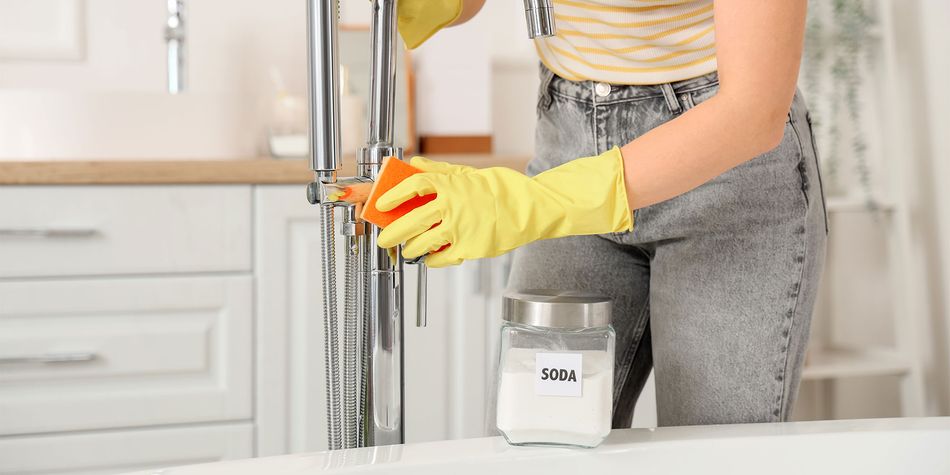
I'd recommend wearing rubber gloves to protect your hands as even diluted bleach solutions can dry out skin.
DO: Use a gentler alternative if you’re in doubt

One of the most overlooked pieces of professional cleaning advice is knowing when not to use bleach at all. Just because it’s effective doesn’t mean it’s always the right choice, and in many everyday situations a milder product will do the job just as well – without the risks.
If you’re unsure about how a surface, stain, or material might react, it’s often better to start with a gentler alternative. You can head to our reviews of the best cleaning sprays to find the most effective cleaners for your bathroom, kitchen and throughout your home.
In professional settings, bleach tends to be reserved for specific disinfecting jobs rather than general cleaning. For example, wiping down frequently touched bathroom surfaces might call for a diluted bleach solution, but everyday grime, grease and dust are usually handled with standard cleaners first.
Find out what an ex-professional cleaner still keeps in her cleaning kit