By clicking a retailer link you consent to third-party cookies that track your onward journey. This enables W? to receive an affiliate commission if you make a purchase, which supports our mission to be the UK's consumer champion.
Do Apple AirPods Pro work as hearing aids?

Investigative research team leader with 18 years' experience covering health at Which? and a background working for the NHS and Social Services.

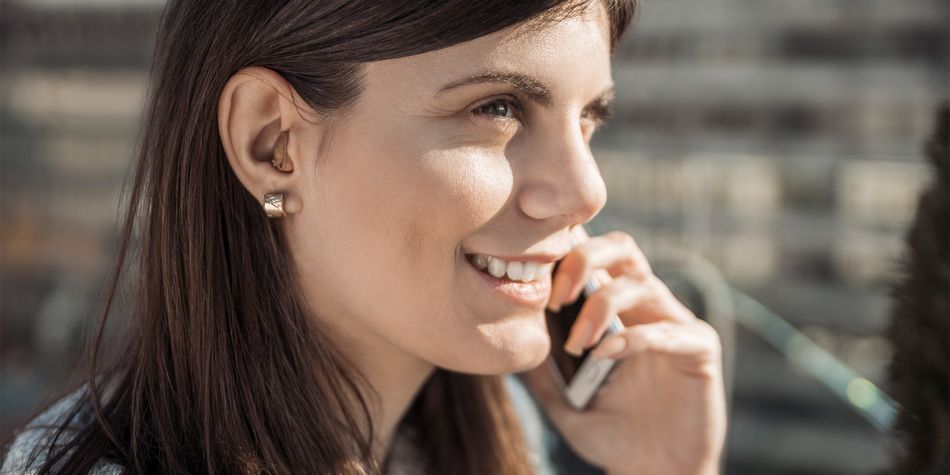
Apple’s new AirPods Pro 3 earbuds include a hearing test feature that can indicate mild to moderate hearing loss and can also act as a hearing assistance tool — although there are important caveats to be aware of.
The hearing aid function was introduced on the AirPods Pro 2 and returns on this third-generation upgrade.
Apple says you can take a ‘scientifically validated’ hearing test, and this may indicate signs that you have mild to moderate hearing loss. You can then activate the hearing aid feature in the headphones. This boosts specific frequencies, which may be useful when having conversations or if you're in a noisy environment.
The feature has only been available in the UK since February 2025, following changes to UK rules on hearing aid sales.
Prior to this, options typically fell into two camps: cheap, basic amplifiers that make everything louder, and sophisticated hearing aids that require an assessment by a hearing care professional, with few options in between. The hearing aids could cost several thousand pounds, or would be free via the NHS for those who need them.
So, is this the dawn of a new era of hip hearing aids?
How Apple’s AirPod hearing tech works

To take the Apple hearing test, you need a compatible iPhone or iPad updated to the latest software (iOS 18 or later) and AirPods with the latest firmware.
The test will be familiar to anyone who has already had their hearing assessed – it plays tones at different volumes and frequencies, and you simply tap your screen when you hear them.
This will adjust the settings on your AirPods whenever you use them again, whether or not your iPhone or another paired device is nearby.
The feature also allows you to use ‘hearing health’ controls to adjust settings such as amplification level, left-right balance, tone, ambient noise reduction and conversation boost (for one-to-one conversations where you’re facing a person). You can apply the adjustments to music, video and phone calls.
Can earbuds replace hearing aids?

The AirPods and other devices marketed as over-the-counter hearing aids are designed so you can fit them yourself. However, Apple AirPods aren't cheap – at the time of writing, AirPods Pro 3 cost £204, while the 2nd-generation headphones cost around £170. And you need an iPhone or iPad, too.
In the US, over-the-counter (OTC) hearing devices have been approved since 2022, and many are available for sale. Some are self-fitting hearing devices that you buy specifically to help you hear better, and others are mainstream audio devices like the AirPods with specialist hearing features.
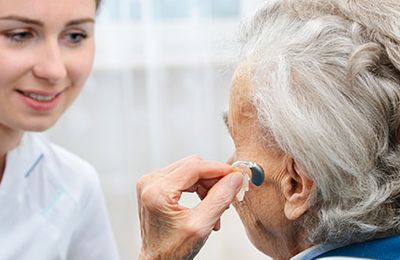
OTC hearing aids could offer enticingly low prices and the convenience of a DIY solution. However, buying over the counter or administering your own hearing test also means that an audiologist won’t be assessing you and can’t diagnose the type of hearing loss you have.
An audiologist will use real-time sound measurement to really customise hearing aids to your hearing loss. This could mean hearing more clearly, as the fine-tuning of what you hear at each frequency improves. You can also have your hearing aids optimised with programs suited to the situations you enjoy – for example, windy countryside walks.

DIY hearing help
Some experts, however, argue that self-fitting hearing aids can also be finely tuned to your particular hearing needs, even if they don't offer all the advantages of audiologist-prescribed hearing aids.
The AirPods are what some call a ‘gateway device’ because they can offer useful features to people with mild to moderate hearing loss and help them try the tech.
The people using them may also be encouraged to get audiologist-prescribed hearing aids when needed, as AirPods may reduce the stigma of wearing hearing aids.
Health professionals though, including those at the Royal National Institute for Deaf People (RNID), have raised concerns. They welcome the idea of increased innovation and accessibility of hearing aids for more people, but they caution that if you need hearing aids for more severe hearing loss, this option may well not offer an optimum experience, and you should be aware of this before you buy.
AirPods can’t look in your ears and spot problems, such as excess wax or a foreign body that needs to be removed, either. If you've experienced a sudden change in your hearing, you should see a doctor.
Read our review of the AirPods Pro 3 and compare prices below:

Find out more about getting a hearing test and hearing aid prices
Other earbuds with hearing assistance tech
Other mainstream brands of earbuds – the type bought to listen to music or TV – offer features that may benefit people with mild to moderate hearing loss. However, unlike audiologist-prescribed hearing aids, they aren’t designed to be worn all day and are typically one-size-fits-all. Below are some examples. We've tested the Samsung and Bose devices as audio devices, but not specifically for their hearing features.
Below are some examples. We've tested the Samsung and Bose devices as audio devices, but not specifically for their hearing features.
Samsung Galaxy Buds 3 FE

These Samsung earbuds let you switch between full mode and ‘ambient’, which lets in some external noise when you need to hear, such as travel announcements.
You control music playback and manage calls using a range of ‘pinch’ controls on the headphones themselves.
The Adapt Sound feature, available in the Galaxy Wearable app on Android smartphones and tablets, lets you adjust the noise-cancelling mode, customise the sound with a music equaliser, and adjust various settings.
See the Samsung Galaxy Buds 3 FE review to get our full verdict and compare prices below:
Bose QuietComfort Ultra 2nd Generation earbuds

These wireless in-ear headphones offer all the same features as their predecessors, and while they don't have a built-in hearing test, they claim to have hearing features you can use while using them.
For example, active noise-cancelling (ANC) modes range from ‘Quiet’ to ‘Fully Aware Mode’, letting you hear the world around you while still smoothing out unwanted noise. You can customise the ANC level in the Bose mobile app, with seven modes to tailor to your tastes.
See the Bose QuietComfort Ultra 2nd Gen earbuds review to get our full verdict and compare the price below:
Sennheiser Conversation Clear Plus earbuds

These earbuds (not yet tested by Which?) claim to make you hear conversations more clearly in noisy surroundings, using self-adjusting speech enhancement technology to prioritise speech. You can alter active noise cancellation and ambient awareness to help block out noise and allow surrounding sound to come through, as wanted. They connect to any Bluetooth device.
Compare prices below:
Expert view: new tech holds promise, but it's important to rule out other issues first

Joanna Pearl, Which? hearing aid expert, says:
If you're noticing that your hearing isn’t as good as it was – for example, you’re turning the TV up more and struggling to hear in noisy environments – you really should get your ears checked by your GP.
You could have excessive earwax or another problem that needs treatment.
If you have mild or moderate hearing loss and want to explore audio devices such as AirPods with hearing tech, check what customisation options they offer during your research.
Also, look out for what features they offer and what phones they’re compatible with.
If you already have Apple AirPods Pro 3 and a suitable Apple device, such as an iPhone or iPad, the hearing aid features may be worth trying and could be an easy option. However, don't be under the impression that you’re getting all the benefits and customisation of hearing aids.
If you want to take a hearing test at home, try the RNID online hearing check.
Remember that if you do need hearing aids, they are available free on the NHS. Your GP can refer you for an assessment. You also have the option of buying hearing aids privately. See our guide to NHS vs private hearing aids for advice on which might be best for you.