By clicking a retailer link you consent to third-party cookies that track your onward journey. This enables W? to receive an affiliate commission if you make a purchase, which supports our mission to be the UK's consumer champion.
Should you have an emergency kit? Here's what you need to pack

Lars is a bloodhound when it comes to sniffing out bargains, including on major sales events such as Black Friday and Amazon Prime Day. He is also handy at unravelling tech jargon and anything related to gaming.

It may sound extreme to have an emergency kit, but we're not suggesting you rush out and buy prepper gear, camo fatigues and loads of freeze-dried food.
The government's Prepare Campaign recommends a list of items to have on hand in case of extreme weather or other emergencies. We've rounded up the suggested products, as well as some 'nice-to-haves'.
Overall, what you need to pack or store will depend largely on the size of your household. Start with drinking water and some food. Buying a few extra cans or bottles of water during your weekly shop can add up over time.
'Maybe prepping isn't as extreme as it sounds' – our expert view on why you should be stocked up ahead of bad weather
What should I pack in an emergency kit?

- Bottled water How much water you should store largely depends on individual circumstances. This includes cooking and basic hygiene. Start with 2.5 to 3 litres per person per day – that's the minimum recommended by the World Health Organisation. The government's advice states that 10 litres per person per day is 'most comfortable'. Either way, you should have at least three days' worth of bottled water on hand. Remember to store extra for any pets or for making baby formula, too. Pick up bottled water from the cheapest supermarkets.
- Non-perishable food These include tinned foods such as meat, fruit, vegetables and, of course, some of the best baked beans. You shouldn't only get food that won't perish, but also food that doesn't need to be cooked. As with water, how much you need depends on the individual, but you should have at least three days' worth of food for each person in your home. Don't forget extra food for pets and to get one of our best tin openers, too.
- A battery-powered or wind-up torch If the lights go out, you'll want to be able to see at night or in the dark. Torches are safer than candles as they don't pose as much of a fire hazard. You can find them from Amazon or Screwfix.
- Portable power bank(s) Keeping your phone charged during a power outage isn't just to keep you entertained; it's important to receive emergency messages. We've tested several that are cheap, reliable and will charge your devices quickly. Read our reviews on the best portable power banks, or compare prices on some popular tested models:
- A battery-powered or wind-up radio These are important to keep you updated during a power cut. We've tested for the best DAB radios, but most are either mains or battery-powered. Grab a wind-up one from Amazon. Otherwise, compare prices on battery-powered radios we tested.
- Hand sanitiser and wet wipes If the water has been turned off, these are good to have to help maintain basic hygiene. Get wet wipe packs online from retailers such as Amazon, Boots or Superdrug.
- A first aid kit Make sure it has plasters, a thermometer, antiseptic, eyewash solutions, a pair of tweezers and some scissors. Get kits online from Amazon or Boots.
- Medication As well as making sure you have enough of any prescription medication, it's also handy to have over-the-counter (OTC) medicines such as ibuprofen, paracetamol or hayfever tablets on hand. You can buy some OTC medicine from pharmacies such as Boots or Superdrug.
- Spare batteries It's good to have these so you can keep using your torch or radio running, or if you need to replace the batteries in any medical equipment you use. We've tested for the best AA and AAA batteries so you don't get stuck in the dark during a power cut. Compare prices on some we put through our tests below:
- Baby supplies If you have young children, you'll want to have some extra nappies and formula on hand. The government recommends considering ready-made and ready-to-feed formula, so you don't need to boil water. Read our expert advice on the best baby formula brands.
Our emergency kit 'nice-to-haves'

While the government covers the essentials in an emergency, we think there are some extra bits worth picking up to make extended time indoors a bit more comfortable.
Once you cover the essentials above, you can consider getting the following:
- A power station If a power bank isn't enough, consider one of these. It's a massive battery with outlets that can run appliances. It will take a while to charge, but manufacturers such as DJI claim that its Power 500 can run a refrigerator for up to 22 hours or a microwave for 45 minutes. They can be charged with solar panels, too. Read our advice on how to buy solar panels for your home and compare prices on power stations.
A diesel or petrol-powered home generator might be the better choice for you, so read our advice on how to buy the best generator
- Waterproofs (jacket and trousers) We wouldn't recommend it, but if you do need to venture outside in heavy rain or a storm, you should wear one of the best waterproof jackets and a pair of the best waterproof overtrousers.
- A basic tool kit It's always good to have some basic tools just in case. You can read up on our toolbox essentials checklist if you're not sure where to start. We've found a few entry-level toolkits that cover the basics, but note that we haven't tested them:
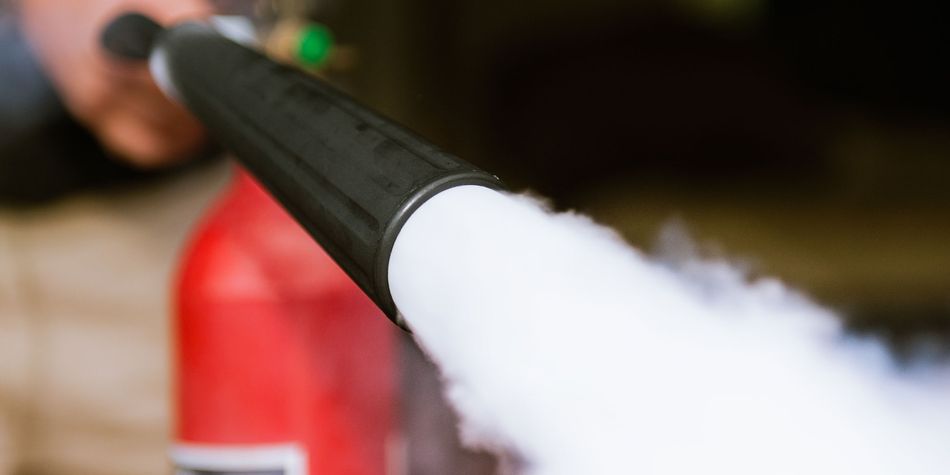
- A fire extinguisher It's good to have one at home anyway, and a 'blue' dry powder extinguisher should put out most fires. Read up on our six fire safety must-haves, get dry powder extinguishers from retailers such as Amazon, Screwfix or Toolstation, or compare prices for some popular models below.
- A good pair of gardening gloves These are good to have in case you need to clear any debris, such as fallen trees. The best gardening gloves we tested were both tough and comfortable. You can compare prices on some tested models below.
- Local maps In the unlikely event that your mobile service goes offline, it's good to have paper maps of your local area in case you need to leave home or evacuate. You can get detailed maps from agencies such as the Ordnance Survey.
- Copies of important documents These include your IDs, birth certificates or passports. You can scan and print them ahead of time using one of the best all-in-one printers we tested.
- A whistle If you need to signal for help, a loud whistle is a great way to get attention from nearby rescue workers or people passing by. You can get emergency whistles from retailers like Amazon, Mountain Warehouse or Screwfix.
- Pen and paper You likely already have these lying around at home, and they're always handy to keep in an emergency kit so you can keep track of your supplies, write notes or pass the time by drawing.
- Things to do Having some books, cards or one of our best board games can help keep the kids (and yourself) entertained or busy during any downtime you might have.
What food should I consider stocking up on?
With the threat of extreme weather events, disease outbreaks, conflicts and cyber-attacks, the UK government has urged households to stock up on non-perishable foods in case food supply chains are disrupted.
Since many supermarkets rely on 'just-in-time' supply chains and logistics, even relatively small hiccups halfway across the world can lead to food shortages on your local shelves.
Over your next few shopping trips, it's worth picking up some extra packs, bags or tins to stash away. Even putting an extra fiver towards stocking up on non-perishable foods will add up over time with each shop.
Here's what you should be getting:
- Complex carbohydrates: Including things like dried rice, oats, pasta, crackers and wholegrain cereals.
- Tinned fruit and veg: Getting cans of these is essential to get vitamins and fibre. It's worth using the water in tinned veg to cook with, or drinking the juice from canned fruits for extra nutrients and fluids.
- Proteins: Prioritise getting dried or tinned items such as beans, lentils or chickpeas, jars of peanut butter, unsalted nuts, and canned fish such as tuna, mackerel or sardines. You can also get ready-to-eat tinned meats, but know that these tend to be high in salt and saturated fat.
- Pickled foods: Pickled veg and eggs will last a lot longer than their fresh counterparts.
- Long-life or powdered milk: These give added protein and calcium. Long-life milk is also an additional fluid. If you have a baby or young child, include ready-to-feed baby formula.
- Tinned soups or ready meals: These can be a good all-in-one option, but they tend to be high in salt and saturated fat. They're also typically heavily processed. We'd prioritise getting the foods above.
When buying non-perishable food, be aware of the salt and sugar content of each item. Prioritise whole foods first, before reaching for the corned beef or tinned curry and chilli.
Don't forget to stock up on water, too. You'll need two and a half to three litres of water per person per day for drinking.
You'll also want an extra six to seven litres per person per day for hygiene and cooking– especially if you have a lot of dry food.
How else can I prepare for an emergency?
It isn't just packing a bag or a storage bin full of stuff, although that helps. The government recommends that you also:
- Stay informed Keep up to date with risks in your area, and if you do get a notification from the government's Emergency Alerts system, be sure to follow the instructions on it. You can also sign up for flood warnings or consider joining your Local Resilience Forum. You can also find out if you're eligible to sign up for a Priority Services Register in case your power, water or heat goes out.
- Make an emergency plan You should plan an escape route in case of fire or floods, including a safe meeting point in case you're not able to return home. Be sure to set up emergency contacts in your mobile phone and add your medical information if possible. Once you have a plan, be sure to sit down with others in your home to discuss what to do.
- Prepare your home Knowing how to turn off the gas, electricity and water can prevent further incidents during an emergency. You can schedule a fire safety check and make sure your smoke alarms work at least once a month. Having home insurance that covers events such as flooding can help, too. Read our advice on the best home insurance companies.
- Talk to your neighbours and local community This includes swapping contact details and asking friends, family or colleagues about whether they need additional support in an emergency. Include in your emergency plan to check in on your neighbours.
Read more from the government's Prepare Campaign to learn more.