Brushing scams: what they are and what to do if you're targeted by one

Tali writes about scams and consumer rights for Which? delving into fraud, technology and consumer rights topics to keep readers safe and empowered.

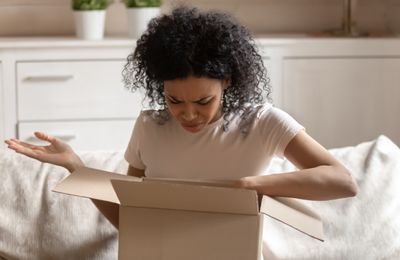
Households are receiving parcels for items they never ordered and these are not generous gifts, but a sneaky scam that you need to know about.
Brushing scams aren't new, but they are seeing a resurgence, with Google searches for them spiking in recent weeks. A brushing scam is when dodgy online sellers send out parcels to artificially verify online purchases so they can write fake positive reviews. This boosts their rankings on online marketplaces, helping them to generate genuine income.
Receiving one of these parcels can be alarming – and rightly so. Sending these parcels is made possible because online sellers will have some information on you, including your name and home address, and that data is most likely stolen from a data breach or a previous scam. In 2021, Which? estimated that more than one million households in the UK could have been targeted by brushing scams.
Below, we explain what brushing scams are and what to do if you've received an unexpected parcel.
How do brushing scams work?
Brushing scams typically involve being sent a low-quality item with no other information. The online seller uses your information to send you this item, which enables them to verify the purchase on the platform they are using (Amazon or eBay, for example) and write a positive fake review of the item under your name.
The items they send out in the brushing scam are usually cheap and low quality; they’re likely inexpensive to post, too, so the influx of good reviews outweighs the cost of sending them.
In 2023, Which? warned about a widespread Suzhichou scarf scam, which involved sellers listed on Amazon sending ‘Suzhichou’-branded scarves in order to boost their ratings on the platform. More recently, Facebook users have complained about mystery deliveries containing a vacuum cleaner, bread, a pack of noodles and phone cases. Some people have reported receiving several parcels.
Some mystery deliveries contain QR codes (those two-dimensional images made up of black-and-white squares that you can scan with a smartphone), which could direct you to a malicious website or cause malware to be downloaded to your device if scanned.
In December, Which? warned about Amazon sellers attempting to inflate their reviews by sending QR codes through the post. These QR codes were part of a postcard promoting the 'Amazon Early Reviewer Program', which thanks you for your purchase and invites you to buy a new product and review it by scanning the code.
- Read more: how to spot a fake review.
What to do if you're targeted by a brushing scam
If you receive an unsolicited parcel, don’t use the item and report it to the marketplace it was sent from.
If you receive an unsolicited item from an Amazon marketplace seller, report the package to Amazon using its ‘Report Unwanted Package’ form. You can report brushing scams to eBay and AliExpress using their websites.
While a brushing scam might not lead to anything, your data has been misused and you could be vulnerable to identity fraud. You can check your credit file to see if any new accounts have been opened in your name that you don't recognise.
You can also check if your email has been compromised by typing it into the HaveIbeenpwned website. If it has, you should change the passwords on those accounts and ensure that all your online accounts use strong, unique passwords. Join Which? Tech Support for further help with securing your accounts and resolving other tech issues.
If you have lost any money or spot an unauthorised transaction on your account, you should contact your bank immediately using the number found on the back of your card. Scams should be reported to Report Fraud, or by calling the police on 101 if you live in Scotland.