By clicking a retailer link you consent to third-party cookies that track your onward journey. This enables W? to receive an affiliate commission if you make a purchase, which supports our mission to be the UK's consumer champion.
What to expect for your mortgage and moving plans after the Autumn Budget
We ask experts what could happen next and whether mortgage rates might keep falling into 2026
Sam covers personal finance topics, from the best savings rates to the reasons mortgage lenders say no. He enjoys crunching the numbers to help consumers get ahead.
Nearly one in five prospective buyers or sellers paused their plans because they were unsure whether property taxes might change, according to Rightmove.
But with the Autumn Budget now behind us, you may be wondering what this means for your own plans after a slower autumn.
Here, Which? consults experts on what is next for the property market and whether lenders will continue to cut rates into 2026.
Ready to get a mortgage?
Find the right mortgage using the fee-free service provided by L&C Mortgages
If you click on the link and complete a mortgage with L&C Mortgages, L&C is paid a commission by the lender and will share part of this fee with Which? Ltd helping fund our not-for-profit mission. We do not allow this relationship to affect our editorial independence. Your home or property may be repossessed if you do not keep up repayments on your mortgage.
Will the property market pick up?
The property market has been quieter than usual this autumn, and the research from Rightmove suggests the Budget delay played a role.
In the weeks leading up to the Autumn Budget, there were rumours of changes to stamp duty or a shift in who pays it, moving from the buyer to the seller. It was suggested that this change could help first-time buyers with affordability.
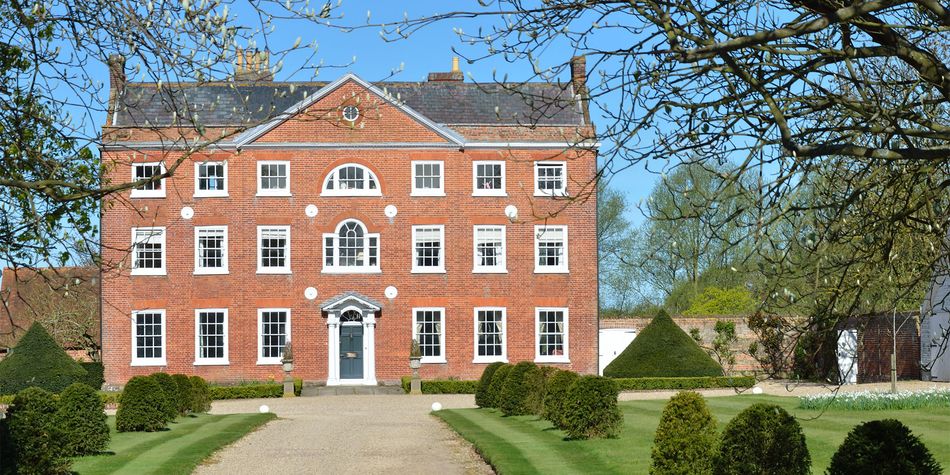
In the end, the Autumn Budget didn’t include any stamp duty changes, but it did confirm a new annual charge for properties worth £2m or more, sometimes described as a 'mansion tax'.
There is now hope for a post-Budget bounce, as buyers and sellers have greater clarity over the costs associated with purchasing, selling and moving home.
Tim Hyatt, head of residential at Knight Frank, believes that 'with clarity on future policy changes, and downward pressure on pricing in recent years, many home buyers now see London and the wider prime country market as one which is offering real value'.
Colleen Babcock, property expert at Rightmove, says:
'While those at the very top end of the market will still need to digest the potential implications of the new annual mansion tax, with no stamp duty reforms announced, we’re likely to see any mass market Budget pausers become Boxing Day bouncers.'
What's happened to mortgage rates since the Autumn Budget?
Since the Autumn Budget, some providers have reduced rates. Lenders that have cut rates include: Nationwide, Virgin Money, Lloyds Bank, Halifax and NatWest.
If you’re looking to remortgage or buy in the coming months, this may offer some reassurance that the downward trend seen before the Budget is continuing.
David Hollingworth at L&C, says: 'Last week’s Budget did not seem to perturb the markets and mortgage rates have remained steady. That’s good news for borrowers who have seen fixed rates dropping in recent months, and there’s been no sign of anything reversing that.'
Average rates tell a similar story. In December, the average two-year fix saw its biggest fall since May, and the average five-year fix recorded its largest drop so far this year. The last time five-year fixes fell by a similar margin was October 2024.
How quickly rates continue to shift will depend on inflation. At its last meeting, the Bank of England made clear that further base rate cuts would require inflation to fall. The latest figures for October show a small drop to 3.6%.
This has increased expectations of one final base rate cut in 2025 at the Bank’s meeting on 18 December. If that happens, fixed-rate mortgages are unlikely to move much as markets have already priced it in. Tracker mortgages, however, would fall in response.
If you’re comparing deals, the best rates for remortgagers and first-time buyers are around 3.7% while home movers can find options as low as 3.55%. The lowest rates are reserved for borrowers with lower loan-to-value (LTV) ratios, with pricing rising as the LTV increases.
Get a firmer grip on your finances with the expert tips in our Money newsletter – it's free weekly.
This newsletter delivers free money-related content, along with other information about Which? Group products and services. Unsubscribe whenever you want. Your data will be processed in accordance with our privacy notice.
Will mortgage rates fall in 2026?
The latest forecasts from the Office for Budget Responsibility (OBR) suggest mortgage rates will fall in 2026. It expects the base rate to fall from its current level of 4% to a low of 3.6% by the end of 2026.
This is positive news if you’re planning to buy or remortgage in the next couple of years. But the outlook isn’t entirely one-way. The OBR also expects the base rate to rise again towards the end of the decade, returning to around 4% by 2030.
The projections have shifted slightly since March, with the OBR now expecting the base rate to sit 0.2 percentage points lower in 2026 and 0.1 percentage points higher in 2029. It suggests the ultra-low rates seen in the 2010s are unlikely to return soon and that borrowers may see rates edge up again later in the decade.
If you’re a first-time buyer, homeowner or landlord, here are the key announcements that may affect you:
Lifetime Isa consultation: A consultation will begin in the new year on improving lifetime Isas. For now, experts say you should keep saving into existing accounts and take advantage of the government bonus until any new product is confirmed.
High-value council tax surcharge: From April 2028, a surcharge will apply to properties valued at £2m or more. Nationwide’s Robert Gardner says that this affects fewer than 1% of properties in England and around 3% in London.
Changes for landlords: New measures affecting landlords won’t come in until 2027, giving those affected time to plan ahead.