Why we don't endorse Tesco as a place to shop – and why that could change

Having worked at the BBC and in commercial radio before joining Which?, James produces our always-on podcasts, and oversaw the launch of our member-exclusive podcasts in 2025.

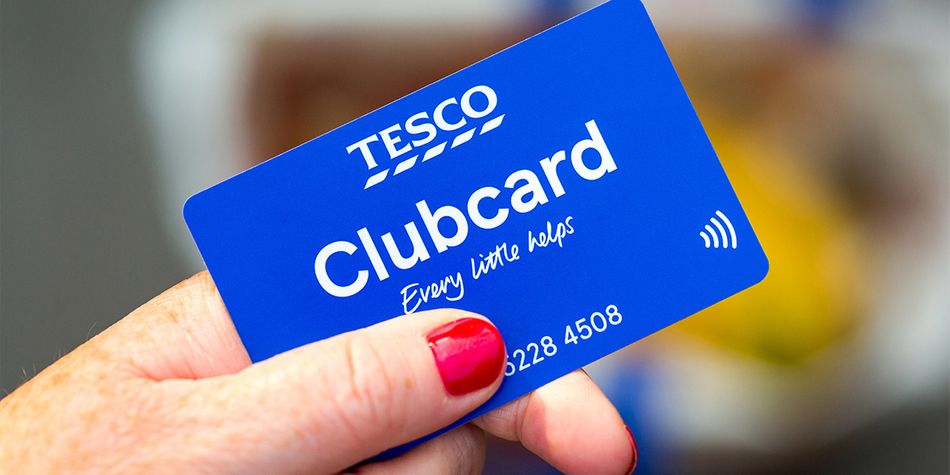
Whether or not you shop at Tesco, you’ll probably know about its Clubcard membership scheme. In recent years, it has given users access to lower prices – that is if you’re aged 18 or over. We think that’s wrong.
In this episode, Which? senior researcher Ellie Simmonds joins us to analyse the news that, after years of our campaigning, Tesco is looking to remove the age restriction that has barred under-18s from accessing loyalty prices. We’ve twice withheld Which? Recommended Provider status from Tesco over this issue.
Plus, our annual survey of the best and worst supermarkets has just dropped, so we reveal who the winners and losers are for in-store and online shopping.
James Rowe: Whether or not you shop at Tesco, you’ll probably know about its Clubcard membership scheme. In recent years, it’s given users of the service access to lower prices, but only if you’re aged 18 or over. Now, we don’t think that’s fair, but it could be about to change. Welcome to Which? Money.
Hello, it’s James in the Which? studio and alongside me this week I’ve got senior researcher Ellie Simmonds. Ellie, hello.
Ellie Simmonds: Hello.
James Rowe: How are you?
Ellie Simmonds: Good, thanks.
James Rowe: Now I know it was half term last week and you were off. For you, you deal with shopping and retail on a daily basis. Do you actually like shopping? Did you do any shopping last week?
Ellie Simmonds: I don’t actually like shopping for pleasure, no.
James Rowe: It’s a bit like a busman’s holiday I guess, isn’t it? You don’t get much pleasure from it.
Ellie Simmonds: That’s true. I can’t go shopping like a normal person, though. I was in Tesco last week looking at unit pricing and seeing how it was inconsistent. I just can’t see prices like a normal person.
James Rowe: You just can’t switch off. I remember we were chatting to Fay a couple of weeks ago and it was funny because she deals with fraud on a daily basis and then she was a victim of fraud. It’s almost like you guys can’t switch off from these things because they just follow you around.
Ellie Simmonds: That’s right, exactly.
James Rowe: Now I mentioned Tesco at the start and the reason I mentioned it is because really recently in the past couple of weeks or so, there’s been some big news from Tesco specifically about Clubcard. We’ll do the back story in a second, but what is the headline? What’s the big news that’s just happened?
Ellie Simmonds: The news is that Tesco is reviewing its Clubcard policy and aims to open it up to under–18s. So all those teenagers that at the moment and for the last few years haven’t been able to access the lower prices at Tesco through its Clubcard scheme should soon be able to access them.
James Rowe: Which is very good news because this is something that we here at Which? have been banging on about for a very long time, right?
Ellie Simmonds: That’s right, yeah. I remember being in this studio talking about it a few months ago with you.
James Rowe: Take us back then, because Clubcard, we all know Clubcard at Tesco, that’s been going for a very long time. But Clubcard Prices is a bit newer and a bit different. How does that work?
Ellie Simmonds: Clubcard Prices came in, I think it was five or six years ago, maybe they were trialled slightly longer ago than that, but they’ve been around roughly for five or six years and they’ve grown in size and depth. The idea is that there’s two levels of pricing and that if you have a Tesco Clubcard, you get lower prices on some stuff compared to somebody who doesn’t have a Tesco Clubcard.
It used to be before Clubcard Prices came in that Tesco would have lots of general discounts, so it would be was this price now this price, multibuy on things, lots of different discounts that were accessible to everybody. Slowly it moved away from those types of general discounts onto these Clubcard discounts that were similar in style but only accessible to those with a Clubcard.
James Rowe: It’s these you see all these banners, the yellow and blue stickers and whatnot that draw you in because that price looks great and then you think, if I’m not a Clubcard member, surely I’m just going to have to have a Clubcard because that price just draws you in. You almost don’t have any standard offers anymore.
Ellie Simmonds: That’s right. You get a hit at the checkout. When you go to the checkout anyone that’s shopped in Tesco will know, you get there and it says some huge price and then you hand over your Clubcard and it knocks a decent chunk off it and you get a bit of a dopamine hit. You’re like, "Oh wow, I’ve saved that much just purely through signing up to the loyalty scheme."
James Rowe: It can be on a whole range of products as well. It might be on TVs and tech and that kind of thing, but also just small stuff like a meal deal, for example. Lots of products across the store are reduced if you do have the Clubcard, right?
Ellie Simmonds: That’s right, although interestingly you’ll find that Tesco Clubcard prices are more common on discretionary purchases. So you won’t tend to get them on your milk and your everyday bread or things like that. You will tend to get them more on the things that you could do without, so your crisps and your fizzy drinks and your nice treats, things like that.
James Rowe: I know people often query about these kinds of things where the scheme is free to join but you get a discount from it. It’s free at the point of entry but you are giving away your data. I guess that is the payoff for being a Clubcard member. Tesco get a whole lot of data about you and can try and personalise things for you. Is that the tradeoff?
Ellie Simmonds: That’s exactly it. Like with anything, there’s no such thing as a free lunch and similarly there’s no such thing as a free discounted grocery. What happens is you have the Clubcard, they ring it through when you do your shop, they know exactly what you’ve bought, where you’ve bought it, how much you’ve spent, whether you’ve paid by cash or card. They know a whole load of stuff about you and then they can use that data to help them market products better. They also anonymise that data and group it together and sell it on to the big brands and other marketing companies to help them understand how they can sell products better.
James Rowe: Going back to the news earlier this month, I’ve got the statement. It’s quite a short statement, at least from what I read. It said, "Tesco is actively reviewing Tesco Clubcard with the intention of making Clubcard available to under–18s this year." That was the extent of the statement. Remind us why we have been going on about this for quite a while. Why is it so contentious that under–18s can’t have a Clubcard?
Ellie Simmonds: It’s really contentious. We haven’t thought it’s fair here at Which? for a very long time because what it’s doing is making those under–18s pay more for their groceries than other people. Actually, these are people who probably in the most part don’t have as much money as older people either, so it seems unfairly unfair. These discounts were available to everybody a few years ago and now they’re only available to the people with a Clubcard, which excludes under–18s.
In terms of what under–18s are paying at Tesco nowadays compared to a few years ago, it’s a huge amount more because they can’t access the discounts that they used to be able to access because they’re now locked away behind Clubcard.
James Rowe: We’ve covered this on the podcast before, we’ve covered it on the website, in the magazine, on social media as well. Listeners and viewers and readers have often queried, "Why don’t people just lie about their age or why don’t they just use their parents’ Clubcard?" That’s beside the point, right?
Ellie Simmonds: It is beside the point. It’s not that simple. You have to access the Clubcard to start with, you have to get it. There’s lots of teenagers who just pop into a Tesco on their way to and from school to buy a meal deal, to buy a snack, and it isn’t fair that they pay more money than everybody else. It just seems really unfair and I don’t think you’d ever design it like that intentionally, but the outcome of it is that under–18s have been paying an awful lot more for these groceries than other people for many years now.
James Rowe: Do we know why? Is it just a case of Tesco might have felt 18 was the right number and didn’t think of what the consequences might have been?
Ellie Simmonds: It’s hard to say. I suspect that some of it was they launched Clubcard prices under their Clubcard scheme and then the pricing strategy was so successful that then they rolled it out in a much wider way without really thinking about the fact the Clubcard scheme was only available to over–18s. We’ve also heard talk in the past about being data protection issues and things like that, but there are plenty of retailers that do allow under–18s access to their loyalty scheme. I’m not sure that justification holds water, so it’s not clear.
James Rowe: Do we know why Tesco have now come out? Is it because of the pressure that we have been putting them under?
Ellie Simmonds: Well, we’d like to think so. Definitely they’ve come under quite a lot of pressure. We’ve been talking about this issue for several years now and we have done our absolute best to make the bosses at Tesco listen to us. We’ve really tried to put forward the views of under–18s. We’ve twice withheld a Which? Recommended Provider status from Tesco over this issue for two years running. We have put pressure on Tesco in social media, we’ve asked our supporters and our readers and our listeners to tweet Tesco or to tag it on social media to say they don’t think it’s fair.
We’ve talked about it in many podcasts, we’ve talked about it in lots of our magazine articles and online articles. We’ve also written a joint letter to the Secretary of State for Environment, Food and Rural Affairs alongside a couple of other organisations, the children’s charity Barnardo’s and The Co-op, to put pressure on Tesco over this issue. We’ve done our absolute utmost to make them listen and now they have.
James Rowe: It looks like the pressure has worked. We don’t have any sense of when the change might happen. It’s just still under review from Tesco, isn’t it?
Ellie Simmonds: They just said this year, which could be anytime.
James Rowe: But good news nonetheless. Some people might wonder why we’re only focusing on Tesco because Lidl, Morrisons, Sainsbury’s, and Waitrose all have age restrictions on their membership schemes as well. So why only Tesco?
Ellie Simmonds: Tesco is a bit of a different case. To start with, it is the largest supermarket in the UK, it has the largest market share so its sheer size means it’s the biggest. It also has a huge number of loyalty prices. It’s not just that it’s got a loyalty scheme, it’s that so many, almost all of its discounts are locked behind Clubcard, which means its restrictions have the biggest impact on people.
Some of those other supermarkets do things slightly differently. For example, Lidl has similar restrictions but it has very few loyalty prices, the same with Waitrose. So it’s smaller market share for both of them, far fewer loyalty prices. Sainsbury’s does have an 18 policy, but younger teenagers can sign up on a parent’s account which they can’t at Tesco. Tesco is a bit of an outlier in terms of that.
James Rowe: We track prices every month for supermarket shops, at least you do as part of your day job. It does add up if you have a Clubcard or not because something you’d written on the website suggests that not having a Clubcard, you may pay 8% more than if you do have a Clubcard. So it shows that it does add up. Other restrictions too with the Clubcard – another one is not having a fixed address, you can’t get a Clubcard. Any changes with that yet?
Ellie Simmonds: Not that we’ve heard of, no. With some of the other schemes there’s also digital access requirements. So with Lidl, for example, you need to be able to download an app to access their loyalty discount.
James Rowe: Despite these concerns that we have raised, which sound like and definitely are legitimate concerns, would we still advise people to get a Clubcard or join a loyalty scheme for supermarkets?
Ellie Simmonds: I think it’s one of those things, if you shop at that shop already and you’re happy to hand over your data in exchange for discounts then yeah, you can get some good discounts and I think it’s worth doing. I wouldn’t shop at a shop purely because of its loyalty scheme because I don’t think you’ll get a better deal, but if you shop at that shop anyway then joining its loyalty scheme is likely to give you some decent discounts. But only do it if you’re happy with the data tradeoff and also if you can, which is the whole point of the campaigning we’ve done on this issue over the last few years.
James Rowe: We’ll keep an eye on that from Tesco and find out when it happens at some point this year.
Ellie Simmonds: Absolutely. We’ll also be putting pressure on some of the other supermarkets too to follow suit. While Tesco is the biggest by far and with the most harm to those who can’t access it, there are plenty of other things the other supermarkets can do too and it would be great to see them follow Tesco’s lead.
James Rowe: Hopefully it’s like a domino effect. We get the big one to begin with and then all the others follow suit.
Ellie Simmonds: That would be great. Fingers crossed.
James Rowe: We’ll keep an eye out. As we’re talking about that, it almost seems right to talk about something that you’ve written for the new magazine, which I have here, something that you wrote called "The Best and Worst Supermarkets". As we do every year, we try and find out what the best supermarkets and the worst supermarkets are according to Which? members and shoppers, right?
Ellie Simmonds: That’s right. Well, according to all shoppers across the UK, yes.
James Rowe: One thing I’m going to pick up straight away because I heard you mention it before, in terms of a Which? Recommended Provider supermarket, Tesco does not make the list. Quickly remind us why.
Ellie Simmonds: It doesn’t because of its Clubcard restrictions. Actually, the day before we went to press with our magazine article was the day that Tesco announced it was reviewing its restrictions, but we still wouldn’t want to give it a Which? Recommended Provider award until we’ve actually seen those restrictions in place and seen what they look like in practice.
James Rowe: So what you’re saying is it performs well across the board according to customers, but it just lets itself down because of those restrictions.
Ellie Simmonds: Exactly.
James Rowe: Take us through then, take us through some of this research. How does the research work? I think that’s quite interesting before we get to the winners and losers.
Ellie Simmonds: We do a big survey, 3,500 members of the public. We ask them the nitty gritty on their supermarket shopping habits. We ask them where they’ve shopped over the past year, we ask them to rate different areas of their experience. So how long it takes to queue, what the store looks like, what the self-scan checkouts are like, what the products are like – whether they taste good, whether the quality is good, whether they’re fresh, what the range is like, and also value for money and customer service as well. When it comes to online, what the deliveries are like and the slot availability and the delivery drivers. We ask them everything we can think of really about their shopping experience.
James Rowe: It doesn’t sound like there’s any element that you’ve left off the list there. Should we do in-store supermarket performance first? We’ll do online in a second, as I guess that’s still a huge grown market, isn’t it?
Ellie Simmonds: Yeah.
James Rowe: For in-store, who tops the list? Which stores are the best?
Ellie Simmonds: In-store Marks and Spencer is the best, does really well, top of the table. It does brilliantly across the board for everything really, except for value for money where it gets a relatively poor rating. It does brilliantly but, as people will probably not be too surprised, the prices do put people off slightly.
James Rowe: It doesn’t sound too surprising that the price is the only thing that irks customers at M&S. You say that tops the list, it gets the highest customer score, 78%, which is very decent indeed. Is that the reason why it’s not a Which? Recommended Provider? Is it to do with that value for money?
Ellie Simmonds: Yeah, because of that value for money, yeah. It gets a relatively poor rating and we can’t make it a Which? Recommended Provider when it doesn’t offer better value for money.
James Rowe: When it comes to Which? Recommended Providers for in-store supermarket performance though, we have one?
Ellie Simmonds: Yeah, we do, Aldi. It’s our Which? Recommended Provider for in-store supermarkets. It comes second, joint second in our table and it doesn’t do as well as Marks and Spencer in terms of all those metrics that I’ve talked about. Shoppers, the customer service isn’t as good, the store appearance isn’t as good, they don’t like the self-scanning checkouts at Aldi. It does pretty well for value for money, though. All of these things however don’t put shoppers off because they love the value for money and they really are satisfied shopping there and would recommend it to their friends to shop there too.
James Rowe: So it can tick almost all the boxes but still get that WRP status despite the couple of things that let it down. The other things prop it up a bit.
Ellie Simmonds: Exactly.
James Rowe: And then Lidl as well, I was looking because I was thinking surely if Aldi gets the status then Lidl does as well, but it’s the queueing time at the checkout that just tips it a little bit below the threshold, doesn’t it?
Ellie Simmonds: It’s a little bit, it just slightly underperforms on Aldi overall and on a couple of those metrics. It’s just not quite as good as Aldi, but it’s very nearly there and I have to say it’s a real close contender and it’s hot on the heels of Aldi.
James Rowe: Also just to quickly go back to M&S, one thing I just realised is that it’s still top of the table despite the cyberattack that it suffered last year. That’s quite remarkable. Did you think so as well?
Ellie Simmonds: It is quite remarkable, yeah. I think it’s quite remarkable in a number of ways. It’s still top of the table despite the cyberattack and after three, four years of cost of living crisis and still a really premium supermarket is top of the table, which I think goes to show that there is a place for consumers treating themselves and having luxury items and enjoying the slightly nicer side of shopping.
James Rowe: Meanwhile, at the other end of the table for in-store, Morrisons, 64%, bottom of the pile.
Ellie Simmonds: Bottom of the pile with Asda, yeah, jointly bottom of the pile for in-store shopping. Neither Morrisons nor Asda covers themselves with glory in terms of the different metrics that we asked about. Poor ratings for customer service, not great for queues. Interestingly, we also asked about value for money as I’ve talked about, but we split the rating this year for value for money for those people who are members of loyalty schemes and those people who aren’t, because we thought there’s quite a big difference in the price often that you pay at the checkout.
Weirdly, with both Asda and Morrisons, the people who are members of its loyalty scheme rate it worse for value for money than the people that aren’t, which I think is really interesting and was a real surprise to us when we were sifting through the results of this survey. I think it might be a reflection of the fact that at the big players like Tesco and Sainsbury’s, you’re a member of the loyalty scheme and you get big discounts and you get to the checkout and there’s a big chunk off your bill and people really feel like they’re getting value from that, whereas they’re obviously not feeling that at Asda and Morrisons. They will be getting some benefits from the loyalty scheme but perhaps their expectations are they should be getting more, so perhaps that’s where that rating comes from.
James Rowe: I guess if you compare my experience at least to try and put this into context, because when you go to Tesco as you say there’s those Clubcard prices, but you also gain those points as well and then you can redeem it for vouchers and whatnot. Whereas at Morrisons I don’t feel like there are as many member prices in store, and then I never feel like I remember what happens with the points that I gain either. It’s also just about the perceptions as well, isn’t it? If you don’t know what happens to the points then you’re at a loss really.
Ellie Simmonds: Exactly that, and I think that’s exactly what customers are finding.
James Rowe: Just quickly on Morrisons as well because I picked out this bit that you wrote in the magazine. It was a quote from one of the people who’s on the panel who gave some feedback. Somebody said for Morrisons, "It’s dreadful, so expensive and badly stocked." It couldn’t get much worse, could it really?
Ellie Simmonds: No, it couldn’t. I know.
James Rowe: Should we talk about online supermarket performance now? There aren’t as many players I guess for online, partly because Aldi and Lidl don’t offer that online shopping experience yet. Nothing on the radar to suggest they are going to, but there’s fewer players here, isn’t there?
Ellie Simmonds: Yeah, although there’s a couple of extras here. Ocado, which is an online only supermarket so that doesn’t feature in our in-store table, and Amazon Fresh, which used to have some stores but is now closing those stores and it’s just an online supermarket going forwards.
James Rowe: Top customer scores here, Tesco and Waitrose. So again Tesco up there, but not getting that WRP status because of the Clubcard issue.
Ellie Simmonds: Same with Waitrose, also no WRP because of the issue with its loyalty prices.
James Rowe: So we go further down the list then and we get to Ocado. That’s third on the list and it is a WRP, tell us why.
Ellie Simmonds: Customers really like Ocado. They really like its customer service, they really like the range of its products and they like the delivery that it offers, which obviously is very important for an online retailer. It offers a slightly different model Ocado. Obviously there’s no stores that you can go in, it has these huge warehouses, a lot of them are automated with robots picking your groceries and that while Ocado would say at least that that means your groceries are more likely to be fresh, they’ve got the range that they can pick from. It’s not like somebody going around in store and elbowing out the normal shoppers to pick your online order. So it’s got quite a different model and it seems to work well.
James Rowe: It’s almost no surprise really, not to undermine all your research, but it’s no surprise that Ocado is a WRP because it has no stores, it’s been possibly one of the founding players in the online supermarket business as well.
Ellie Simmonds: Well, it’s certainly still the only pure play online supermarket that we have in the UK other than Amazon Fresh, which I think is a slightly different model.
James Rowe: Then again, go down to the bottom of the table, some familiar names here – Morrisons and Asda at the bottom of the table.
Ellie Simmonds: Asda right at the bottom, Morrisons closely behind it.
James Rowe: What lets it down here? Is it the same value for money or is it other elements?
Ellie Simmonds: Choice and number of substitute items, customers don’t like those at Morrisons. They don’t like the quality or they rate poorly the quality of its own label products and fresh products, and everything else is fairly mediocre to be honest. There’s nothing really standout about them. They need to pull their socks up really and impress shoppers a bit more, I think.
James Rowe: They do, and hopefully this research that you’ve done will inspire them to do that. Do you think that’ll happen?
Ellie Simmonds: Both of them have had fairly well-documented business issues this year and they’ve had stuff going on behind the scenes with their pricing, with their strategies, with their leadership team. So it will be interesting, I think they’re both battling it out to try to inch their way back up in terms of market share and customer satisfaction.
James Rowe: Anything else from this that surprised you apart from the M&S cyberattack not having a dent in M&S?
Ellie Simmonds: I think another surprising thing, we asked shoppers about self-service checkouts and whether they prefer them to normal checkouts and I have to say I for one was certainly surprised by the result, which was that shoppers do prefer self-service checkouts to normal ones. Perhaps I was surprised by that because I don’t like them.
James Rowe: You don’t like shopping full stop.
Ellie Simmonds: I don’t like shopping full stop but I especially do not like self-service checkouts.
James Rowe: Why do you think that is then? Why people aren’t as offended by them as you thought they were?
Ellie Simmonds: I think that people have got used to the fact that they don’t have to queue so much for them. I think people have almost been forced into liking them because the queues for the normal checkouts are so long, so therefore you don’t have a whole load of choice. So it’s choosing between a rock and a hard place, isn’t it? There’s a really long queue at the normal checkout, so you prefer the self-service checkout, but my feeling is that if all things were equal people would probably prefer a normal checkout with a normal person smiling and saying hello.
James Rowe: The manned tills are almost few and far between now because all that space has been taken up by self-service. The thing that bothers me about self-service is when you buy an age-restricted product, whether it’s alcohol or something, and the amount of time you wait there for somebody to come over and scan their little staff card just to approve it.
Ellie Simmonds: It’s anything. An age-restricted product, a product from the bakery, anything with some kind of voucher – like I get a subscription to the Sunday Times, every time I try and buy the Sunday Times in a supermarket they can’t work out the coupon. If you’ve ever tried to do a self-service checkout with a toddler in tow it’s an absolute nightmare because they’re shoving stuff in the bagging section when you don’t want them to, they’re scanning stuff repeatedly. It’s a nightmare.
James Rowe: I don’t think we’re going to get more manned tills back, it doesn’t look like that’s the course of action, but if they could improve somehow that would be good, wouldn’t it?
Ellie Simmonds: It would.
James Rowe: What’s next for you in terms of retail and research? Anything on the horizon? I guess the cheapest supermarket research for the month might be out soon.
Ellie Simmonds: Yeah, we’ve got that out next week. We’ve also got some new research on food inflation coming out and we’ve also hopefully got some really new research on branded groceries and what the price of those looks like should be coming up soon.
James Rowe: Lovely stuff. Before you go, you mentioned the word inflation. We’ve all heard of shrinkflation as well, but also I read the word skimpflation in your piece. Remind me what that is, that’s a new one.
Ellie Simmonds: Skimpflation is where the quality of a product is reduced on the sly without a proportional price discount. The big one that hit the headlines over the past few months was Club and Penguin bars, the chocolate bars. They’re not actually chocolate bars, they can’t be described as being made with chocolate anymore because of cuts in the amount of cocoa in them.
James Rowe: I tell you, there’s a lot to keep up with, isn’t there? Thankfully you’re here to tell us and keep us on our toes. Ellie, brilliant. Thanks very much for your time, appreciate it.
Ellie Simmonds: Thank you.
Be more money savvy
free newsletter
Get a firmer grip on your finances with the expert tips in our Money newsletter – it's free weekly.
This newsletter delivers free money-related content, along with other information about Which? Group products and services. Unsubscribe whenever you want. Your data will be processed in accordance with our privacy notice.
How to listen to podcasts from Which?
We bring you new episodes of Which? Money each Friday, new episodes of Which? Shorts every Wednesday, and keep an eye out for other podcasts throughout the year.
Subscribe using one of the links below or click this link on your mobile to find us in your favourite podcast app.
- Which? Money on Apple Podcasts
- Which? Money on Spotify
- Which? Money on YouTube
- Which? Money on YouTube Music
As part of your subscription, Which? members also get access to exclusive podcasts.
- Listen to member-exclusive podcasts on our website
- Listen on the go by downloading our app on the Google Play Store
- Listen on the go by downloading our app from the App Store
If you're not already a member, podcast listeners can get 50% off the first year of an annual membership.