7 foods you should think twice about before reheating in the microwave – and how to reheat leftovers safely

Hannah has dedicated her career to understanding what matters to consumers, and writes practical, trustworthy advice to help people spend wisely and make everyday life easier.

Microwaving leftovers is a simple, budget-friendly solution for reducing food waste and delivering convenient meals for busy lifestyles. But not all foods should be reheated in the microwave.
While microwaving might seem like a speedy shortcut to a delicious breakfast, lunch or dinner, some foods can't withstand a microwave's rapid heat, leading to health hazards, messy kitchens and rubbery, chewy or soggy textures.
Our expert tips, along with trusted advice from the Food Standards Agency (FSA), will help you navigate the cooking myths and save time in the kitchen.
Read on to learn which foods are best kept out of the microwave, plus how to cool, store and reheat leftovers safely.
Reheating leftovers in the microwave is generally safe, provided the food was stored properly, has not been reheated more than once and is steaming hot throughout.
Narriman Looch, head of food hygiene at the FSA, says: 'You can microwave most food safely, although the texture and quality of some foods may not be as good.'
Key things you can do to ensure safe reheating:
- Use microwave-safe containers Look out for a microwave-safe symbol or label on the container before reheating.
- Stir the food Take out the food halfway through reheating and stir it to help eliminate any cold spots. When reheating ready-made meals, always follow the manufacturer's instructions on the packaging, including advice on standing and stirring.
- Check the temperature Your food should be steaming hot all the way through. If you have a food thermometer, you can use it to check the reheated leftovers have reached a core temperature of at least 75°C (165°F) for 30 seconds.
- Only reheat leftovers once This is because repeatedly changing temperatures provides more chance for bacteria to grow and cause food poisoning.
Cook hot and tasty food every time with our expert reviews of the best microwaves.
What foods should you avoid reheating in the microwave?
1. Hard-boiled eggs

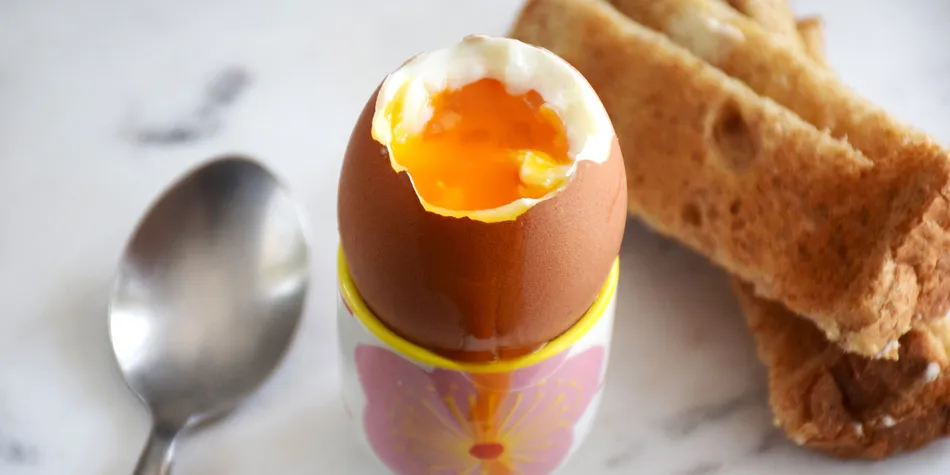
Reheating hard-boiled eggs in the microwave can be a recipe for disaster. This is because the intense heat causes steam to build up inside eggs, which can consequently lead to explosions.
Not only can they explode while cooking, creating a sticky, smelly mess inside your microwave, but they can also burst after being taken out, potentially scalding your hands or mouth.
Check out our video to watch the explosion happen in our tests: 5 foods that could ruin your microwave.
How to reheat hard-boiled eggs
Place and submerge your eggs in a bowl of freshly boiled water, allowing them to sit covered for a few minutes until they are warmed through. Or simply eat them cold.
2. Pastry dishes

While the microwave is often one of the fastest kitchen appliances for reheating leftovers, the rapid heat creates steam, which compromises the flaky, crispy texture of pastry.
Unless they are specifically designed for the microwave, pastry-topped dishes, such as pies, can become soft, limp and soggy after being reheated.
How to reheat pastry dishes
To restore the golden, flaky texture of pastry dishes, we recommend using an air fryer or oven instead.
From reviving tired ingredients to making meal preparation easier, we've rounded up 7 microwave cooking tips you'll actually use
3. Pizza

When it comes to leftover takeaway pizza, there are two types of people: those who happily enjoy it cold, and those who try to revive its fresh, hot taste.
For those who prefer it hot, tossing the remaining slices in the microwave might seem convenient. However, this reheating method is likely to result in a soggy base, chewy crust and rubbery cheese.
How to reheat leftover pizza
Ovens are particularly good at reheating slices of pizza – and covering them with foil helps to prevent them from drying out.
Air fryers can also help you to quickly restore the crispy crusts and perfectly melted cheese of leftover pizza, though you may need to cut the slices smaller to ensure they fit inside the basket.
Serve up crispy crusts and tasty toppings with our independent reviews of the best pizza ovens
4. Steak

Although it's possible to reheat meat in the microwave, thick cuts, such as steak, can become tough, dry and rubbery due to the intense heat.
Microwaves also heat food unevenly, which can cause meat to become burnt around the edges while remaining cold in the centre.
How to reheat steak
According to KitchenAid, the best way to reheat steak without drying it out is the reverse sear method.
Slowly warm it in the oven for 20-30 minutes, or until the internal temperature reaches 45°C (110°F), and finish by quickly searing both sides of the steak on your hob.
Best built-in ovens: find the perfect oven for your kitchen with our Best Buy recommendations and expert buying advice
5. Chips

Microwaving leftover chips might feel like a speedy shortcut to a quick meal. But the steam generated by the microwave can spoil their texture, leaving them soggy and limp.
How to reheat leftover chips
For the crispiest and most delicious results, either an oven or air fryer can be used to reheat leftover chips.
However, our independent research has found you can make considerable energy savings with an air fryer, particularly if you're only cooking small amounts. Read the full analysis in our air fryer vs oven guide.
Cook perfectly crispy and fluffy chips at home with one of the best air fryers from our independent lab tests
6. Homemade frozen meals

Batch cooking and freezing meals, such as lasagne or cottage pie, is quick, easy and saves both money and time in the kitchen.
But there is a risk that large, dense portions of homemade meals, especially layered dishes containing dairy products or minced meat, can cook unevenly from frozen.
How to reheat homemade frozen meals
Always defrost your homemade meals thoroughly in the fridge before reheating and serving.
The FSA also advises against thawing food at room temperature, as this encourages the growth of bacteria.
Knowing when to defrost is essential for safe and tasty meals. Discover the 5 foods you should never cook straight from frozen – and 5 you can
7. Foods that have already been reheated

To reduce the risk of food poisoning, the FSA recommends only reheating food once. This is because repeated cycles of cooling and reheating can increase the growth of harmful bacteria.
The quality of leftovers can also degrade with each round of reheating, resulting in tough, dry and chewy textures.
What to do instead
Always use leftovers no more than two days after initially cooking. If you're not going to use up all the food you've cooked, you can freeze and reheat it, provided it hasn't already been reheated.
Prevent waste with our food storage tips to keep your groceries fresher for longer
Can you reheat rice in the microwave?

You may read conflicting advice online about whether it's safe to reheat rice. However, it depends on how the rice was originally handled, stored and cooked.
Rice can contain spores from a type of harmful bacteria. If cooked rice is left out at room temperature, the bacteria can start growing again from the spores, multiplying and producing toxins that cause food poisoning. Reheating will not get rid of these toxins.
If you've cooked too much rice and don't want to use it all straight away, the FSA advises cooling it down as quickly as possible – ideally within one hour – and then storing it in the fridge.
Leftover rice that has been covered and stored correctly in the fridge should be used within 24 hours and reheated in the microwave until it is steaming hot throughout with no cold spots.
Alternatively, you can use one of the best rice cookers from our expert tests to reheat rice, but only if you use the cook or steam modes – the keep warm mode doesn't bring it to a high enough temperature. To stop it drying out, add a splash of water.
The FSA also recommends taking extra care when reheating takeaway rice. This is because some takeaways pre-cook rice and reheat it before serving, but you should avoid reheating food more than once.
Is last night's takeaway on the menu tonight? We reveal the best ways to reheat your takeaways for the tastiest results
Can you reheat chicken in the microwave?

It's safe to reheat chicken in the microwave, provided you follow food safety guidelines and only reheat it once.
The FSA says you must reheat chicken so that it reaches 75°C (165°F) for 30 seconds to ensure harmful bacteria, such as salmonella and campylobacter, are destroyed.
If you don't have a food thermometer, cut the meat open with a clean knife to ensure it's steaming hot all the way through. Additionally, cutting chicken into smaller pieces beforehand can help it heat more evenly and quickly.
The microwave is best suited to chicken in sauces or other moist dishes, while plain pieces such as fillets, drumsticks and fried chicken are usually better reheated in an oven or air fryer for more even heating and a better texture.
To ensure an even temperature throughout saucy chicken dishes, it's helpful to stir and rest them halfway through microwaving. This eliminates cold spots where bacteria survive.
Do you really need to wash chicken before cooking? Our guide on 6 food safety myths busted explains all you need to know
How to reheat food safely
To reduce the risk of food poisoning, it's important to take extra care when storing, cooking and reheating food.
If you're not going to eat all of the food you have cooked straight away, the FSA says you should cool it as quickly as possible and then store it in the fridge.
You shouldn't put piping hot food in the fridge as this can warm up the inside of your appliance. Not only will this reduce the freshness of other food in the fridge – which needs to be kept at a stable temperature – it will also force your fridge freezer to work harder to cool down, increasing your energy bills. Read more of our tips in 10 ways to save on energy bills.
No matter what kitchen appliance you use to reheat your leftovers, always ensure the food is steaming hot throughout to kill harmful bacteria that may have grown since it was cooked.
If you're using a microwave, food can become very hot at the edges and remain cold in the centre – stirring helps to prevent this, distributing the heat evenly.
Alternatively, you can freeze leftovers after they have been cooked, as long as they haven't already been reheated.
We've rounded up three popular microwaves from our expert tests. To compare more brands and models, head straight to our microwave reviews.
- Hisense H25MOBS7HUK - SQUIRREL_TEXT_12876503
- Tower T24044 - SQUIRREL_TEXT_50027914
- Haden 195630 - SQUIRREL_TEXT_50013614
Looking for more cooking appliances? See our freestanding cooker reviews, air fryer reviews and multi cooker reviews.
Which food containers are safe for the microwave?
Not all kitchen dishes are suitable for microwave use, and some can even be a safety hazard.
Below, we've explained what you can safely use to reheat your leftovers.
1. Glass containers
Glass dishes are generally a good option because they help food to reheat evenly. However, they must be marked as safe for microwave use.
Watch out for glass containers with metal parts, such as jars with clip-top lids, as these can cause sparks and potentially damage your microwave or pose a safety hazard.
2. Plastic containers
In most cases, plastic containers are safe for microwave use. But as with glass containers, they must be labelled as microwave-safe.
It's also best to avoid putting plastic takeout containers, margarine tubs or other plastics, such as yoghurt pots, into the microwave, as they're not intended for use in high temperatures.
3. China or ceramic dishes
China and ceramic dishes are safe to use in the microwave as they can withstand high heat.
However, even if fine bone china is labelled as microwave-safe, it has a higher risk of breaking when exposed to sudden temperature changes. Allow the dish to cool off before removing it from the microwave to reduce the risk of damage.
When using china or ceramic dishes in the microwave, ensure they're free from any metal accents, such as gold or silver trims, as these can cause sparks and uneven heating.
Find out more about how to tell if a container is microwave-safe in our guide: can you microwave glass? Plus plastic, foil, paper and more