Get a year of super-useful advice
Solve your tech issues and get expert buying advice whenever you need it, all year for only £49.
Join Which? Tech SupportBy clicking a retailer link you consent to third-party cookies that track your onward journey. This enables W? to receive an affiliate commission if you make a purchase, which supports our mission to be the UK's consumer champion.

Yasmine specialises in shopping advice and finding the best deals during sales events like Black Friday, helping readers get great value for their money.

New year, new resolutions. Give yourself the best chance at achieving your goals by making smaller changes first.
We've all been there: setting ambitious goals at the beginning of January, only to see them fade away in a month or two. YouGov reports that 62% of Brits who set New Year's resolutions in 2025 abandoned them by the end of the year.
The question is, why do they fail? Could it be that they're too drastic?
Research indicates that making smaller, more sustainable changes is far more effective over the long term than drastic lifestyle shifts.
Whether your goal is to get fit, lose weight, eat healthier, save money or cut down on screen time, you may have more success by gradually developing new habits and breaking larger goals into a series of more manageable steps.
Our experts share the simple tools and strategies they use to make their own resolutions stick.
If you're planning your resolutions for the year ahead, take a look at the January reset myths not to fall for

Alison Potter, Which? senior editor
'Setting effective goals makes you more likely to achieve them, and the impact of tiny habits can make a huge difference. I've signed myself up to all sorts of races and fitness events in 2026, so I need to stick to my training plan and exercise regularly. Even when it's cold outside and it's the last thing I feel like doing.
'My Apple Watch is excellent for tracking and motivation. I set myself daily activity goals and track how much I move, how often I stand up and how long I exercise for. Apple Watches log all exercise that's a brisk walk or greater, so even popping out for some milk or taking the stairs count and it helps me to make better choices.
'It also really helps me to be consistent about moving my body, as it gives me a reminder if I've been sitting still for 50 minutes of the hour to remind me to get up, stretch a bit and walk around.
'It won't be suitable for everyone, but I pay a monthly subscription to Apple Fitness+ (£9.99) so I can access their workouts, and I love the range it offers, from guided walks and runs to Pilates, yoga, HIIT, weights, dance and kickboxing. The classes are from 10 minutes up to an hour, so I can choose bite-sized classes if I'm short on time, and at weekends, indulge in some of the longer classes.'
Which? tip: Motivate yourself by setting goals, but make sure they're achievable and easily trackable to help create positive daily movement and exercise habits.
Products our experts like:

See more of the best smartwatches.

Faith Strickland, Which? senior editor
‘After a month of eating chocolate, Christmas pudding and cheese, it feels inevitable that come January, most people want to cut back and lose weight. Last year, I decided to make that resolution – but I also promised myself that I wouldn't fall into yet another fad diet. Whatever I was doing had to be sustainable and easy.
'I made several changes, but one of the easiest – and something I still implement now – is sticking to the recommended portion size. While that sounds simple, it wasn’t until I started weighing my morning oats, lunchtime rice or evening pasta that I realised how much I was overeating.
'Now I eat pretty much whatever I want, as long as it’s the correct portion size. Over the course of last year, I lost more than a stone and a half.’
Which? tip: Weighing foods and checking labels for the recommended portion size can help you be more aware of what you're eating and keep you on track.
Products our experts like:

See more of the best kitchen scales and read our investigastion into the problem with portion sizes

Yasmine Crossland, Which? senior consumer writer
'Instead of binge-watching Netflix or doomscrolling on TikTok, I plan to read more books this year. Getting lost in a good book is an excellent way to relax and stay away from my smartphone, and avoiding blue light before bed should help me sleep better. My goal is to read at least 20 books in 2026.
'Having a dedicated e-reader means that I can put my other devices aside without the temptation to click into another app or be distracted by notifications popping up on the screen. That way, I can fully immerse myself in the words in front of me.
'With huge libraries of books to choose from, finding a new novel takes a matter of minutes. I can carry my entire collection on one lightweight device and start a new book as soon as I finish the last. The built-in warm light means that I don’t need lamps at bedtime, and it’s convenient for travel or commuting.'
Which? tip: Track your daily or weekly reading streaks and total books finished using Reading Insights on Kindle. Download the Kindle App on your phone, sync it with your e-reader, tap More followed by Reading Insights to access it.
Products our experts like:

See more of the best e-readers.

Sarah Joan Ross, Which? content editor
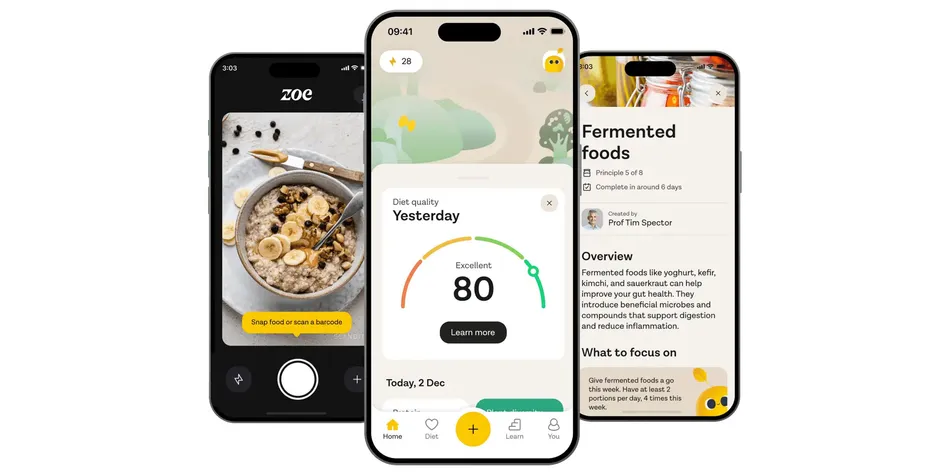
'As a busy working mum, it’s easy to lose track of your own health while juggling children, dogs, a husband, a career, and the house. I turned to tech for help, and the Bevel app has made it easier to monitor my stress levels, workouts (or lack of them), and sleep patterns, while also encouraging me to check in on my food choices.
'AI-powered/expert-led app works with my trusty Apple Watch, using health scores that offer tailored recommendations and track changes over time, so you can see what’s helping — or hindering. For me, that means more yoga and deep breathing when stress spikes, and earlier nights when my "sleep bank" is running low.
'There’s also a food analysis tool that breaks down fats, carbs, protein, salt, and some vitamins and minerals when you log branded foods or meals. A photo-based option is included as well, but it’s not yet accurate enough to rely on completely. Many features are free, so you can try the basics without committing.'
Which? tip: Try it for free, and if you enjoy it, you can sign up for the premium version, which offers more insight and personalised health recommendations.
Apps our experts like:

Tom Morgan, Which? senior consumer writer
'After a Christmas full of sugary treats, I decided to focus on losing weight in the new year, and smart scales are helping me track my progress.
'Unlike traditional bathroom scales, they sync with a smartphone app and offer more than just a simple weight reading. After creating an account and setting my targets for the year, my data syncs to my mobile in just a couple of seconds when I step on the scales.
'From the app, I can track my progress over time and see my current weight, BMI, body fat percentage and muscle mass. I also use MyNetDiary, which has a built-in barcode scanner for logging food and making sense of portion sizes.'
Which? tip: Smart scales can make tracking progress much easier. Not only are they convenient, but you’ll also have more data to help spot longer-term trends.
Products our experts like:

See more of the best bathroom scales.

Jessica Carson, Which? health and wellbeing editor
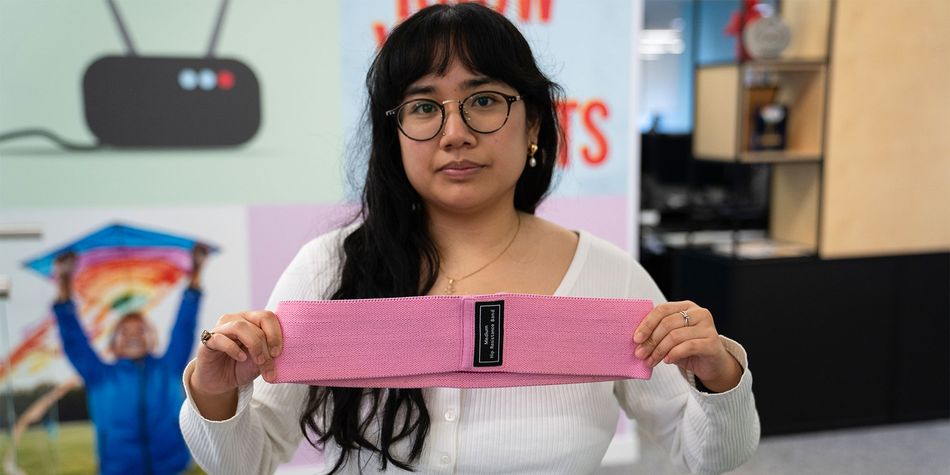
'I've had a lot of muscle issues, and I've found resistance bands really helpful for building in regular exercise sessions at home to keep them at bay.
'They're versatile exercise aids and help me more easily fit in daily strengthening exercises, targeting specific areas that need more work from the comfort of home.
'They're also cheap and easy to transport, so are good if you're travelling and want to keep up your exercises.'
Which? tip: Get a set with different resistance strengths so you can progress as your strength improves. Wider, thicker material bands are good for glute exercises, such as bridges, and thinner, stretchy bands are good for a wide range of other stretches and exercises.
Products our experts like:


Lisa Barber, Which? Tech editor
'If, like me, one of your New Year’s resolutions is to focus away from your tech - read more, in my case - consider whether you’re likely to get distracted from what matters by your phone pinging and demanding attention. It takes only a few seconds to stop it from bothering you.
'If you have an Android phone, open up Settings, select Modes, then Do Not Disturb and Turn On Now. For an iPhone, on your home screen, swipe down from the top right to open Control Centre, tap Focus and Do Not Disturb.
'Conversely, you can also make your phone more useful for when you do need it. Get rid of any apps you’re not using and install ones that are genuinely useful. When we asked our experts which free phone apps they couldn’t live without, the answers ranged from Citymapper for public transport hacks to the first aid app from the British Red Cross.'
Which? tip: Our Tech Support membership includes unlimited one-to-one tech support and the bi-monthly Which? Tech magazine with tips and advice to help you make the most of your gadgets.
Solve your tech issues and get expert buying advice whenever you need it, all year for only £49.
Join Which? Tech Support