Health? or Hype?
Make the right choice with recommendations you can trust, backed by expert testing.
Explore health recommendations
Kate puts health advice and kit through their paces, from marathon-tested gear to cutting through overhyped supplements

The start of the new year can often feel like a big reset button, bringing with it the urge (or at least, the pressure) to dramatically overhaul our lives.
But before you swap your sofa for an expensive gym membership and replace all your snacks with seeds, it’s worth remembering that the most successful resets aren't about doing everything all at once – they're about making smart swaps you can sustain beyond 31 January.
To help you break the cycle in 2026, we’ve spoken to experts to identify the common mistakes that can derail your best intentions, and what to do instead to make those healthier habits really stick.

Trying to change your diet, exercise and sleep habits simultaneously is a quick route to burnout. These total overhauls are simply too big and too broad to be sustainable for most people in the long term, and the inevitable crash-out can be demoralising, too.
What to do instead: Try what’s called ‘habit stacking’. This involves attaching a small, realistic new goal to something that you already do. For example, ‘After I put the kettle on (an existing habit), I will do one minute of deep breathing (a new habit).’ Just make sure it’s achievable – focus on what reasonably fits into your existing lunch break or commute, rather than creating a whole new schedule.
Dr Josephine Perry, chartered psychologist specialising in sport and performance, says: 'Habit stacking is an excellent approach because you are not having to create a new environment or new cues to remember to do something; you are just extending a current habit.
'Do remember, though, that it takes on average 66 days to build a new habit, so don’t get disillusioned if you forget occasionally, just start back up again.'
Is the Zoe nutrition app worth it? Get our nutrition expert's view based on her experience

If you’ve spent December being largely sedentary, jumping into an all-or-nothing exercise routine now is a shortcut to injury, not fitness. Whether you're returning from a break or starting a new routine, the most important thing is to start slowly and increase intensity as you progress.
It might seem frustrating to run for only a few minutes at a time, for example, especially if you're keen to get results fast, but your muscles and tendons need time to adapt to new loads.
What to do instead: Follow the 10% rule. Only increase your workout volume or intensity by 10% each week. If you're returning to exercise after a break, start at 50% of your previous capacity.
'When starting back into something, set a future goal that is based on your own ambitions,' suggests Dr Perry. 'It is tempting to compare with where we were in the past or where other people are now, but setting the specific goal you want to achieve and breaking that down into all the required tasks and behaviours will help you stay on track.'
Best exercise bikes 2026 – see our top picks, tried and tested for home workouts

Starting a diet comes with a whole host of negative associations, and cutting out entire food groups is often unsustainable – and not always very healthy. It’s also more likely to lead to you experiencing ‘food noise’, when you constantly crave the thing or things you’ve given up.
What to do instead: Focus on adding nutrients to your diet. Instead of cutting out carbs, add an extra portion of leafy greens to your dinner – make swaps rather than exclusions. Don’t obsess over one food group, but make sure you're getting the balance right between all of them to keep your energy levels up.
Shefalee Loth, Which? principal researcher and nutritionist, adds: 'The most effective way to improve your nutrition isn't by deprivation, but by diversity. Instead of focusing on what you're 'not allowed' to have, aim to add more plant variety to your plate – think pulses, nuts, seeds and a good variety of vegetables. This not only keeps you feeling fuller for longer, but also supports a healthier gut microbiome, which is a much more sustainable goal than a restrictive short-term diet.'
Is Zoe's Daily30+ food supplement worth it? Get our verdict, plus the cheaper alternatives for added dietary diversity

If you're planning to reset your exercise routine, chances are it will involve sweating more and working out muscles that aren't used to it. But don’t ignore the fact that recovery – which includes getting enough sleep, as well as gentle active recovery – is vital for progress.
If you overtrain and don’t allow yourself enough time to rest and recover, you will either get injured or exhaust yourself. Overtraining leads to elevated cortisol, which can actually make it harder to see physical results and can lead to mental fatigue.
What to do instead: Schedule and respect your rest days as strictly as you do your workouts. Incorporate active recovery, such as a 10-minute stretching or mobility session (there are some good simple free ones online) or a gentle walk. And remember the most vital part of recovery is sleep, so try to prioritise that as much as possible.
Denise Lordache, sleep therapist, suggests starting a new routine. 'Start with a wind-down that signals safety and calm to your nervous system. This might be reading a few pages of a book, doing gentle stretches or enjoying a caffeine-free herbal tea. Lowering the lights about an hour before bed helps cue your body that rest is approaching.'
Seven expert-backed tips for better sleep – we reveal what really works for a good night's rest

Spending more on pricey gym kit or home equipment doesn’t mean you will necessarily use it more. Many January purchases end up stored in a cupboard or gathering dust after the initial buzz wears off. For common pitfalls, see our guide to the exercise equipment our experts love – and what's gathering dust.
Don’t be swayed by celebrity endorsements or social media recommendations, either. These people are often being paid to advertise expensive supplements that might not even be necessary for you, or of the highest quality.
What to do instead: Start with the basics – drink enough water, do some daily movement and eat whole foods. Once you've established a habit, you can invest in equipment. Don't jump straight into an annual gym contract in the hope that it will keep you committed; look for pay-as-you-go options or community classes to find your feet. Your wallet will thank you if your interests shift by March.
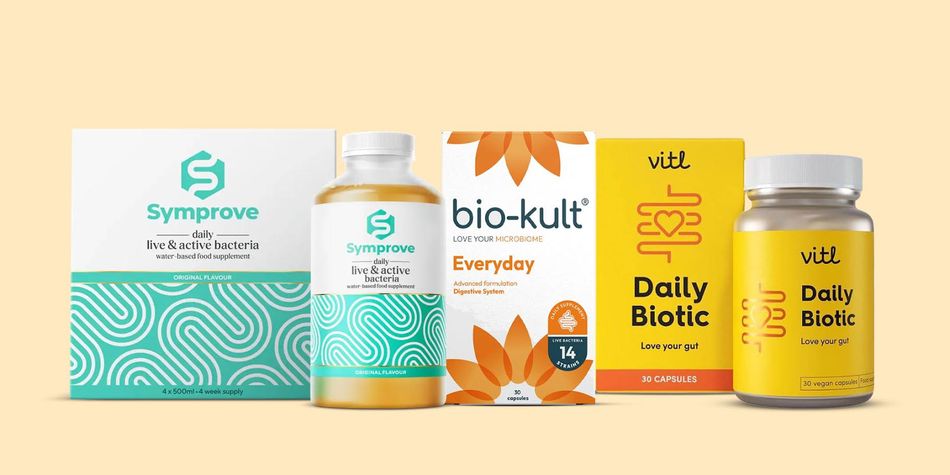
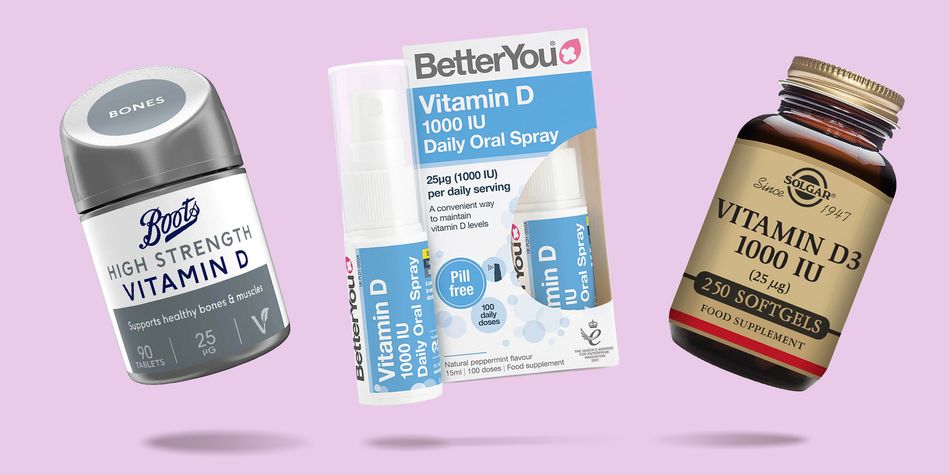
When it comes to supplements, more is definitely not better. Check our guide to the supplements you do and don't need, and think carefully about what you really need to add. As Shefalee Loth, Which? principal researcher and nutritionist, explains: 'The best way to make sure you are getting enough vitamins and minerals is to look at your diet, and make tweaks there if necessary. If it's healthy and balanced, there's often no need for supplementation.'
Some people, however, may benefit from supplements, either because of a known deficiency or because they're on a restricted diet, or have a condition or take medication that impacts nutrient absorption.
See our guides to the best protein powders, best vegan protein powders and the best creatine supplements for advice on who might benefit from exercise supplements and which ones we recommend.
Best and worst gym chains – our unique user survey reveals which gym brands keep their customers happy, and the best-value options

High stress levels can easily sabotage your movement goals and lead to poor diet choices and bad sleep.
What to do instead: It’s easy to say, and not so easy to do, but try to practice ‘attention hygiene’. So, don’t scroll on your phone while you watch TV, and put your phone away before bed. Having enough mental energy is what makes your physical habits actually stick.
Sleep therapist Denise Lordache says: 'Constant phone use keeps the brain in a state of alert, which can raise stress levels and disrupt sleep at a time when you're trying to do the exact opposite. Research shows that putting your phone away 30-60 minutes before bed can improve sleep quality and make healthy habits easier to maintain the next day.'
Digital detox tips – easy ways to cut down on smartphone use on iOS and Android

Following a new, healthier meal routine or taking up a new form of exercise is easier to stick to if you have company. If you're the only member of your household on a healthy diet, while everyone else finishes off the Christmas treats, the contrast can really get you down.
What to do instead: Find a workout buddy. Setting a time and a place to meet for a run or at a gym class keeps you accountable. Community initiatives such as running clubs can help if you don't know anyone who's keen, and they're a good way to meet new people, too.
Dr Josie Perry explains: 'Body doubling, where you find someone else to do things alongside you, is a great tool. You don’t even have to do the exact same thing – just being together is enough. Research finds it gives you better adherence to your goal, makes the task more enjoyable and increases your accountability.'

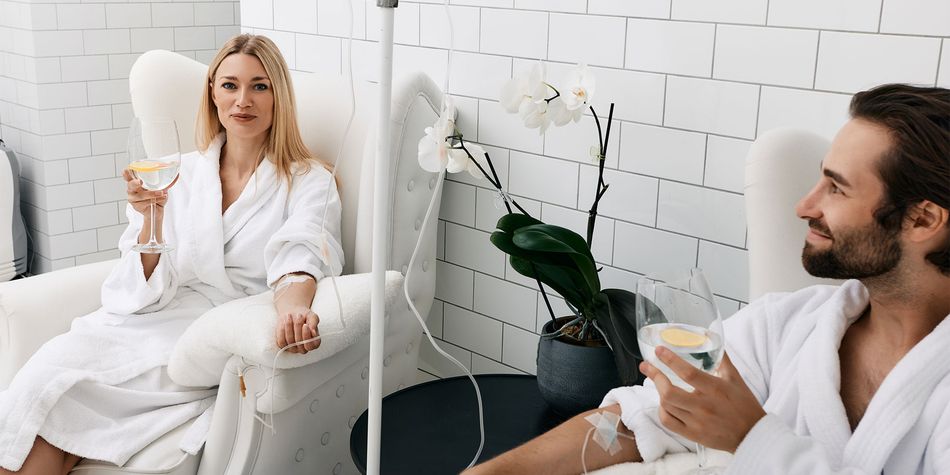
Every January, without fail, the market is flooded with products or protocols claiming to help you detox or 'flush out toxins'. Don't fall for the marketing hype; you don't need them. This is the job of your liver and kidneys.
Some of these products may be perfectly harmless, but others may interact with medication you're taking. For example, as explained in our article on the truth about health drinks, you should avoid products containing charcoal if you're taking any oral medication or pills.
What to do instead: Follow a healthy, balanced diet, and your body will do the rest.
Shefalee Loth says: 'Products labelled as 'detox' are banned from being advertised in the UK and EU, as they imply a health benefit. They won't rid your body of 'toxins' or do anything your body doesn't already automatically do.'
Make the right choice with recommendations you can trust, backed by expert testing.
Explore health recommendations