By clicking a retailer link you consent to third-party cookies that track your onward journey. This enables W? to receive an affiliate commission if you make a purchase, which supports our mission to be the UK's consumer champion.
I'm a Which? Deals editor – here are 7 things I would never do during a sale

From scouring Black Friday offers to polishing personalised gift guides, Faith has spent three years at Which? curating shopping and deals advice.

From three big Amazon sales each year to the month-long deals bonanza of Black Friday, it feels like there are endless discounts being pushed at consumers.
But before you hit the buy button, there are a few things you should check to make sure that the product is a great price – and performs well. Our product experts have seen plenty of cases during previous sales of Which? Don’t Buy products offered at a discount.
As a Which? deals editor, Faith Strickland knows a thing or two about snapping up a bargain.
Best Amazon Prime Day deals: find deals on products we rate

‘Over my 10-year journalism career, I’ve hunted high and low for genuine deals, whether that be affordable London restaurants as a food and drink writer or the best low-cost hotels in Bucharest as a journalist at The Times.
‘The past three years at Which? have honed my discount-finding skills. Every November, I work with a stellar team of journalists to bring daily coverage of Black Friday bargains. Our articles focus on products we’ve tested - and that perform well - and we track all the prices of anything we recommend.'
Faith Strickland, Which? senior consumer editor
1. Trust the ‘before’ or ‘was’ price

It can be hard to make a rational buying decision when supposedly vastly cheaper prices are stamped in red on the product you’ve been looking at.
But these ‘was’ prices aren’t necessarily reflective of the true savings. In a Which? Investigation of 1,617 TVs, we found that 56% had at least one intervening price between the sale price and the advertised ‘was’ price. In some cases, the intervening price was cheaper than the sale price being shown.
To ensure you get a true bargain, it's worth doing some extra research.
Sites such as CamelCamelCamel or PriceSpy show a product’s price history. You can also follow Which?’s sales coverage, which includes the cheapest price and average price in the past six months - as well as whether the product is the cheapest it’s ever been on Amazon.
2. Make a decision based on the RRP
Much like ‘was’ and ‘before’ pricing, don’t make a snap decision based on a product’s RRP.
The recommended retail price (RRP) is exactly what it says on the tin - merely a recommendation, meaning retailers may not have ever sold the product at that price.
In a Black Friday investigation, we found a Samsung heat pump tumble dryer on sale for £629.99 at Amazon, which was set against its RRP of £789.99. But when we delved into the product’s pricing history, it had not been sold for £789.99 at Amazon once in the 12 months prior.
To make sure retailers aren’t misleading you into thinking you're saving more than you are, use the tools mentioned above to find out what the real cost difference is.
Read our advice on how to see whether a Black Friday deal is real.
3. Not do any research on the product

There’s no point in bagging what feels like a super saving if the product isn’t worth the price.
And spending more money on branding doesn't guarantee great performance. Our tests have shown that some £250 mattresses perform better than ones that cost thousands of pounds.
Before buying something new, I always look for recommendations or reviews on the product. In previous sales, we've spotted Don't Buys on offer, including poor-quality headphones and a terrible TV.
At Which?, we run thorough and comprehensive tests on a variety of products to find the best performers. That might be rolling a barrel over a mattress thousands of times or submerging a phone in water. Only the very top performers are named Best Buys or Great Values. We also only include products that have performed well in our deals pages.
Read all of our reviews in the palm of your hand with the Which? App. Head to the App Store (Apple) or Google Play Store (Android) and search for Which?
4. Only look at one retailer
If you’ve already paid for an Amazon Prime subscription, it may be tempting to do all your shopping there.
But many retailers price match, including during sale periods, which makes shopping around all the more important.
Sites such as PriceSpy and PriceRunner show the cheapest retailer for thousands of items. Keep an eye out, however, as postage and packaging aren’t necessarily included in the sale price - and can sometimes push the overall cost up significantly.
On Which? deal pages, we use a pricing tool that compares approved retailers' prices, so you can quickly and easily see which is the cheapest.
We surveyed thousands of shoppers to find out the best tech and appliance shops.
My advice? Check the price history of anything you’re interested in and if it’s not at its cheapest price in the past six months, consider holding out
5. Not make use of free trials or loyalty schemes
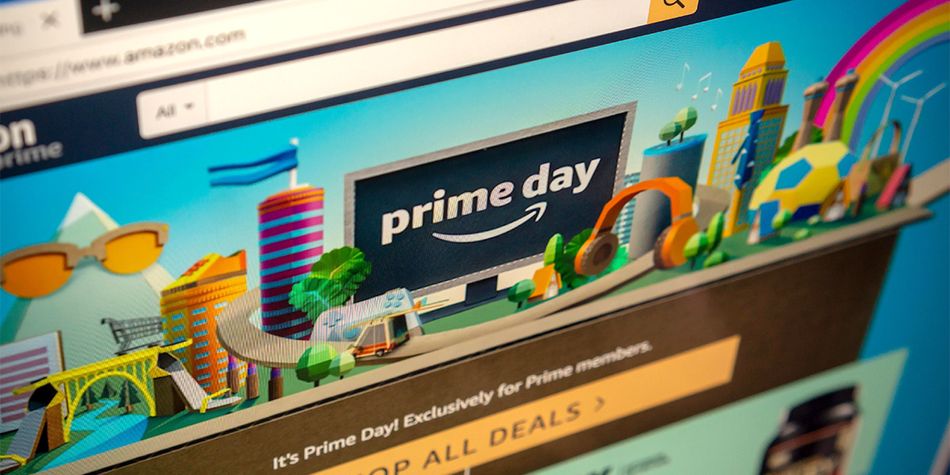
Amazon holds two yearly sales exclusively for the Prime members, one in summer and one in autumn.
If you’re not a Prime member and have spotted something in the sale, take advantage of a free 30-day membership.
Just remember to cancel your membership; otherwise, you may be charged.
Plenty of other retailers also have membership or loyalty schemes.
- AO: Costs £39.99 a year and includes free and unlimited delivery; free unpack, remove and recycle with large appliances and member exclusive offers.
- Robert Dyas: MyDyas is a loyalty scheme. It’s free to sign up and allows users to collect points and access exclusive prices and voucher codes.
- My JohnLewis: is a loyalty scheme that rewards based on how much you shop, from café vouchers to access to beauty recycling services.
- B&Q: a free loyalty scheme which offers additional perks such as 10% off key cutting in-store.
Find out how to get Amazon Prime for free or check out supermarket loyalty schemes compared.
6. Not check the price per unit on everyday essentials

Spending more money to save money might feel nonsensical, but sometimes a larger single outlay is better value.
When it comes to everyday essentials such as toilet roll, dishwasher tablets or laundry capsules, it’s worth checking the price per unit to find the best saving.
For example, buying a bundle of washing-up liquid bottles may work out cheaper per litre than buying a single bottle. On Amazon, the price per unit is displayed next to the price and is often shown in brackets.
See our expert advice on how to spend less at the supermarket.
7. Only shop in the sale period
Bright red prices, warnings of limited time and countdown tickers; retailers have a host of tactics to pile on the pressure come sale periods such as Black Friday and Amazon Prime Day.
But that doesn’t mean you should cave. In our 2025 Black Friday research, we’ve found that all of the 175 appliances we tracked were the same price or cheaper at other times of the year.
This isn’t a blanket rule; during Amazon Prime, we found that 85% of the products we tracked were the cheapest price they had been in six months.
My advice? Check the price history of anything you’re interested in and if it’s not at its cheapest price in the past six months, consider holding out.
See more Which? deals advice
While I may be slightly biased when it comes to Which?, I truly believe that our sales advice is a cut above the rest. We never accept freebies or influence from retailers, which means the products featured in our deals pages really did impress our experts. We also spend time checking pricing to make sure we're not passing on a bad deal.
Each year, Which? also carries out hours of independent research into pricing practices at supermarkets and retailers, whether that's calling out 'shrinkflation' and the brands which are charging more for less or tracking Black Friday prices to see if it's really worth the hype. This research and expert analysis inform everything we do when it comes to deals.
To see our deals work in action, take a look at our most popular pages:
- Best TV deals: from Samsung to Hisense, these are the TV bargains which impressed our expert.
- Best iPad and tablet deals: nab an iPad for little more than £300.
- Best laptop deals: don't spend a fortune on a new laptop with one of these affordable choices.
- Best mobile phone deals: the best savings on Android and Apple models.
- Best PlayStation 5 deals: as the price of a console rises, find out how you could save some cash.