By clicking a retailer link you consent to third-party cookies that track your onward journey. This enables W? to receive an affiliate commission if you make a purchase, which supports our mission to be the UK's consumer champion.
10 viral cleaning 'hacks' you need to stop doing right now - and what to do instead

Drawing on half a decade at Which?, Natalie helps readers cut through the noise with practical guidance on trending products, pest control, cleaning advice and money-saving tips during the sales.

TikTok, Facebook and Instagram are awash with clever-looking cleaning tricks, but not all of them should be replicated in your home.
As an ex-professional cleaner, I've seen some viral hacks that are likely to waste your time at best, and damage your home and risk your safety at worst.
To save you from the disappointment (and potentially the damage) of trying a trend that doesn't deliver, we've rounded up ten popular cleaning hacks doing the rounds online, explaining why they're best avoided and what to do instead.
Don't waste time with dodgy viral trends. As an ex-pro cleaner, here are the cleaning tips I still swear by
1. Overusing bleach

Bleach is an effective cleaner and disinfectant, but that doesn't mean it's right for every job. Viral videos often promote it as a go-to solution for all sorts of surfaces, when a milder cleaning spray or disinfectant would do the job just as well.
Bleach is particularly strong and can permanently stain fabrics, discolour surfaces and damage protective finishes if used incorrectly. It also needs careful handling, as it can release harmful fumes when mixed with other chemicals or when used with hot or boiling water.
Some materials and surfaces you should never use bleach with include:
- Natural stone such as marble, granite and limestone
- Hardwood floors and untreated wood
- Aluminium, copper and brass
- Coloured grout and coloured sealants
- Painted surfaces and mirrors
- Silk, wool, leather and other delicate fabrics.
Always check the manufacturer's care instructions before using bleach on an unfamiliar surface, and never assume a material is bleach-safe just because it looks durable.
What to do instead
Opt for the gentlest cleaner that's suitable for the specific surface, saving bleach for jobs where it's genuinely needed.
If you do use it, follow the manufacturer's instructions on dilution and contact time rather than assuming that using more or leaving it on for longer will give you better results.
If you're using bleach to clean your loo, make sure you see our advice on how to clean your toilet before you start.
We explain why most people are probably using bleach wrong, and how to use it properly
2. Mixing strong chemicals or using too many

You've probably seen trending cleaning videos where people pour half a dozen different products into their kitchen sink or washing machine to create a huge, sudsy cleaning potion. They might look satisfying, but combining cleaning products doesn't make them more effective and it can be damaging to your health.
Mixing certain chemicals together can trigger harmful reactions and release toxic fumes. For example, combining bleach with ammonia-based cleaners can release toxic chloramine gases, while mixing hydrogen peroxide-based products with vinegar can create peracetic acid, which is highly corrosive and can damage your eyes, skin, nose and throat.
Even combinations that don't produce toxic fumes can leave unwanted residues or expose you to chemicals unnecessarily.
What to do instead
Stick to one suitable cleaning product at a time, following the instructions on the label.
If you're switching products, thoroughly rinse away the first with water before applying another. A single product used correctly is far more effective than a sink full of mixed chemicals.
3. Spraying cleaners directly onto screens and electronics

Avoid spraying cleaners onto your screens, monitors or electronics. Liquid can run into ports, buttons, speakers and other openings, potentially causing electrical damage.
Some household cleaning products can also damage delicate screen coatings, strip protective finishes or leave permanent marks. Even products marketed as multi-purpose cleaners aren't necessarily suitable for electronics or screens.
What to do instead
Always read the manufacturer's cleaning instructions before cleaning screens or other electronic devices. In most cases, a clean, dry microfibre cloth is all you need to remove everyday dust and fingerprints.
To tackle more stubborn marks, check whether the manufacturer recommends a screen-safe cleaning product. Where permitted, apply it sparingly to your microfibre cloth rather than spraying it directly onto the device before wiping.
Our expert says

Martin Pratt, Which? TV expert
'Using traditional household cleaning products like all-purpose sprays directly on your TV is an easy way to damage its delicate screen surface – and it could even invalidate your warranty, meaning you might not be eligible for a free repair or replacement.'
'You should be able to remove most marks and dust with a microfibre cloth - just remember not to press down too hard, as this can destroy pixels and cause permanent damage. If necessary, support the back of the TV while gently buffing the screen in small, circular motions.
'For more Which?-approved cleaning tips, head to our guide on how to clean your TV.'
Cleaning your other electronics? Don't make these three mistakes when cleaning your AirPods or other headphones, and see how to clean your phone without damaging it
4. Using vinegar and bicarbonate of soda as a fix-all cleaning solution

Combining vinegar and baking soda is one of the most popular homemade cleaning solutions, but despite the satisfying fizz, they're not quite the miracle cleaning duo they're made out to be.
The fizzing reaction between vinegar and bicarbonate of soda might help loosen or shift some dirt and grime, but the acid and alkaline mixture quickly chemically neutralises itself.
Crucially it also doesn't disinfect surfaces, so if you're trying to kill bacteria and germs you'll need a suitable disinfectant or antibacterial cleaning spray instead.
What to do instead
Choose a cleaner that's specifically designed for the surface you're tackling.
If you want to use vinegar for an appropriate cleaning job, check the manufacturer's guidance first and keep it away from natural stone and other acid-sensitive materials.
Vinegar and soda are a handy cleaning solution, but they're not suitable for every job. Here are the things you really shouldn't clean with vinegar and things you should never clean with bicarbonate of soda
5. Soaking your floors or scrubbing too hard

Having been a professional cleaner, watching videos of people throwing buckets of soapy water all over their wooden floors or vigorously scrubbing away marks makes me cringe. Too much water, soap and elbow grease can often do more harm than good to your flooring.
Some floor types, such as ceramic or porcelain tiles, can withstand a bit more moisture and scrubbing than others. But wooden floors, laminate and some types of vinyl can be vulnerable to excess moisture, which can seep into seams and joints, causing swelling, warping or lifting. You also risk scratching surfaces or protective coatings.
Plus using too much soap often leaves behind a sticky residue, meaning your floors will actually get dirtier quicker.
What to do instead
After vacuuming, use a well-wrung mop or steam cleaner rather than soaking your floors, and always check the manufacturer's cleaning advice for your flooring type.
For stubborn marks, use a suitable floor cleaner and a soft microfibre cloth rather than reaching for an abrasive scrubber.
Don't miss our experts' pick of the best mops and best hard floor cleaners
6. Using dishwasher tablets outside the dishwasher (before trying other solutions)

I'm not saying you should never use dishwasher tablets outside the dishwasher. In fact, we've tested six surprising uses for dishwasher tablets, and found that some hacks - like cleaning burnt saucepans and oven racks - work surprisingly well. But that doesn't mean they're always the best or most cost-effective way to clean.
Some creators online have suggested all sorts of alternative uses for dishwasher tablets, from cleaning the inside of an air fryer to popping them in the washing machine to maintain it. These 'hacks' can give varying, and potentially ruinous results for your appliances, and are often much more expensive to do than other methods of cleaning.
For example, the cheapest dishwasher tablet we've tested, Aldi's own-brand Magnum Premium, costs 11p per wash. That's similar to the joint-cheapest washing-up liquid in our tests, Aldi's Magnum, which is 12p per 100ml.
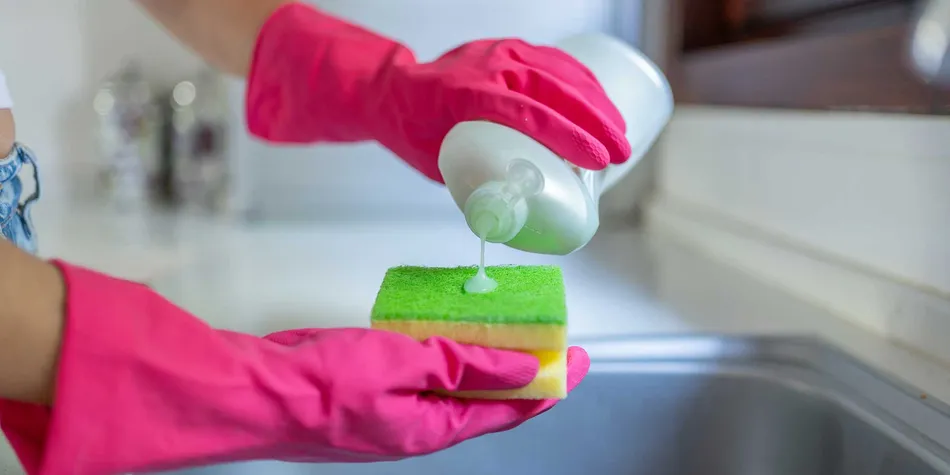
But there's an important difference: one tablet can clean a whole dishwasher-load of dishes for 11p, but using one to clean a single saucepan or air fryer basket means you're spending the same amount of money to clean just one item. In many cases, a squirt of washing-up liquid will do the job just as well for less.
You also never know how the chemicals inside a dishwasher tablet may react to different surfaces or fabrics. In my experience, it's always better to err on the side of caution and use a milder solution first.
What to do instead
Try washing-up liquid or a suitable all-purpose cleaner for most cleaning jobs, and an oven cleaner for your oven racks and inside the oven itself.
Save dishwasher tablets for tougher jobs where they've proved effective, and always check the manufacturer's care instructions before using them on cookware, particularly non-stick pans.
Our expert says

Matt Stevens, Which? dishwasher tablet expert
'Our tests found dishwasher tablets effective at cleaning some other things as well as just dishes - including getting some stubborn stains out of white clothes by leaving the item soaking in hot water with a tablet overnight.'
'However, in a lot of cases, we found simply using washing-up liquid to be just as effective, easier and cheaper, such as when cleaning inside fridges, garden furniture, or getting crayon marks off of walls.'
'In general, you can save tablets for using the dishwasher - and make sure you're using one of the best dishwasher tablets from our independent reviews when you do.'
Head to our guides on the best washing-up liquid and best dishwashers to keep your plates and dishware sparkling
7. Flushing out sinks with boiling water too often

Dealing with fruit flies, a clogged sink, or is there just a funky smell coming from your drain that you want to wash away? Tipping some boiling hot water down your plughole can help alleviate some of these issues, but do it too frequently, and you could be damaging your pipes in the long run.
Depending on your plumbing, repeatedly exposing pipes to very high temperatures can put unnecessary stress on pipework, seals and joints. This is particularly worth bearing in mind if you have PVC pipes, which may be more vulnerable to heat than metal ones.
And while it might help loosen some greasy residue, boiling water won't necessarily clear a stubborn blockage - and could simply push the problem further down the drain.
What to do instead
For everyday drain maintenance, use a spurt of hot tap water rather than freshly boiled water, and save the flush of boiling water from the kettle or hot tap for if you're trying to tackle pesky fruit flies.
If your sink is slow to drain or smells unpleasant, try cleaning the plughole and removing any visible build-up, and check out our advice on how to unblock a sink.
For persistent blockages, try one of the best drain unblockers from our tests, or head to Which? Trusted Traders to find a plumber you can trust.
8. Boiling wooden utensils

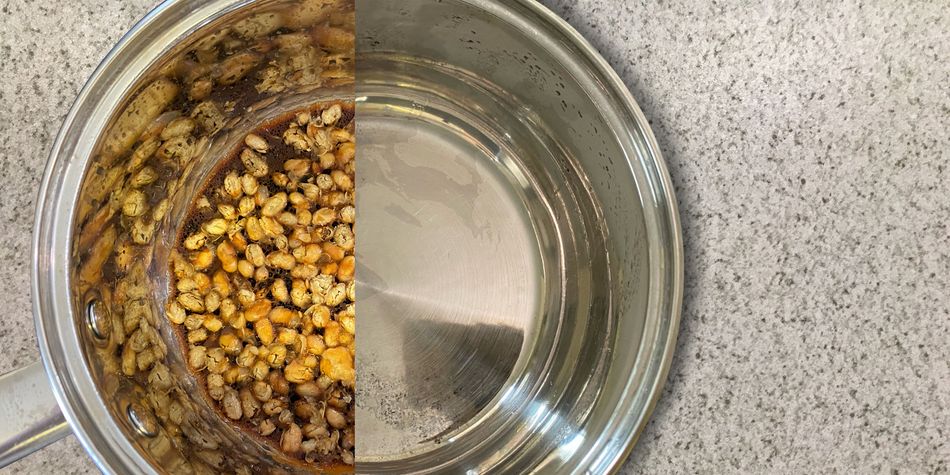
Boiling wooden spoons might seem like a satisfying way to give them a deep clean, particularly when viral videos show the murky water left behind after a good soak.
But wood is a porous material, and prolonged soaking and exposure to high temperatures can cause it to swell, warp and eventually crack or split open as it dries.
What to do instead
Wash wooden spoons and utensils by hand in warm, soapy water, using a soft sponge to remove any food residue. Avoid putting them in the dishwasher as this can also dry them out and cause them to crack.
Rinse them thoroughly, dry them with a clean towel and then leave them to air-dry fully before putting them away.
Keep your kitchen utensils in tip top condition for years to come - here's how to clean wooden spoons, chopping boards and other wooden kitchen tools
9. Decanting cleaning products into unlabelled bottles

If you're a bit particular like me, you might not love the look of a messy cleaning cupboard filled with clashing colours, and it can be tempting to decant your cleaners into much more aesthetically pleasing receptacles like those you see online - but doing do can pose a serious safety risk.
Once a product is in an unlabelled bottle, it can be easy to forget what's inside, how concentrated it is or which surfaces it's safe to use on.
Cleaning products contain chemicals that need to be handled and stored correctly, and their labels provide essential safety information you'll need to be able to access quickly, including usage instructions and what to do in case of accidental contact or ingestion.
What to do instead
Keep cleaning products in their original packaging wherever possible, so you always have the instructions and safety information accessible.
If you're making your own simple cleaning solution - such as a 1:1 ratio of white distilled vinegar and water to tackle limescale - make sure you measure the parts carefully and label the bottle you're putting it in.
10. Using fabric conditioner as a 'dust-proof' surface cleaner

As with a lot of viral cleaning 'hacks', this is one I'd probably avoid. The idea here is that wiping surfaces with a diluted water and fabric softener mixture leaves being a coating that repels dust, keeping things looking cleaner for longer.
But personally, I'm not convinced. Fabric softener is not designed to be cleaned with, and won't have any anti-bacterial properties, making disinfecting any surfaces with it quite redundant. Plus, over time you're likely to see a film or residue of product build up on your surfaces, which will likely attract more dust and grime over time rather than repelling it.
Not to mention, like with dishwasher tablets, fabric conditioner can be pricey, and you can spend less and get a better result with a standard all-purpose cleaner.
What to do instead
You can't make any surface in your home truly dust-proof, and keeping on top of it can feel like a never-ending chore. One way to help reduce airborne dust is to invest in one of the best air purifiers from our tests.
I've also found that a little and often approach makes dusting far less of a chore. A quick once-over with a feather duster or microfibre cloth every couple of days is far easier than letting dust build up and tackling the whole house during a Sunday reset each week.
For more inspiration, we've rounded up some simple ways to help with five household chores you hate.
For dealing with dust, you're better off using one of the best cordless vacuum cleaners from our independent tests