By clicking a retailer link you consent to third-party cookies that track your onward journey. This enables W? to receive an affiliate commission if you make a purchase, which supports our mission to be the UK's consumer champion.
I'm a first-time parent – here's what I'm buying

Fran scrutinises over 100 fridges, freezers and fridge freezers a year, to help you know what's hot, and what's – thankfully – not.

I'm becoming a first-time parent in 2026 and, after taking advice from my colleagues, other parents, my midwife and my antenatal course leader, these are the essentials I'll be buying.
From the moment I found out I was expecting, it feels like I've been bombarded with well-meaning advice, promotions for baby shows and a barrage of companies trying to convince me that their product will be the solution to all my parenting woes.
It reminds me of planning a wedding – that this is a once-in-a-lifetime experience, and if I don't pay for every single thing or choose the most expensive option, then I'll regret it for the rest of my days. However, some of these items simply won't last long before they're outgrown.
Fear of missing out, or FOMO, is very real. And when it comes to a baby, of course, I want to do the right thing and get them what they need. But where does the truth lie?
During my time at Which?, I've reviewed hundreds of products. So I know that expensive models don't always live up to the hype, while bargain buys can often cover the basics, without the fancy frills you might not use anyway. I also know that everyone's experience is different and that there's more to a product recommendation than it merely being a Best Buy.
With that in mind, below are both general recommendations for products you'll need as a new parent, as well as the specific options I've bought based on my circumstances. Hopefully, they'll help you sort the essentials from the unnecessary.
Things you'll want immediately
Nappies

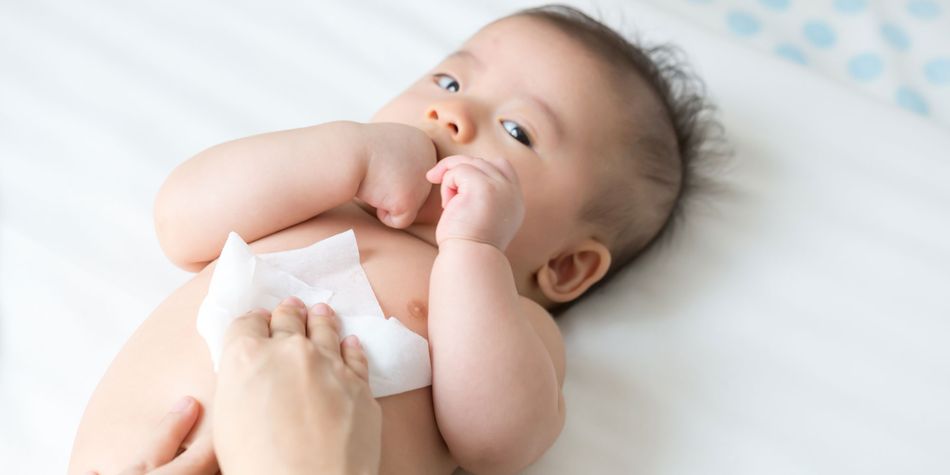
Probably one of the first things you'll use. Most hospital bag checklists suggest bringing newborn nappies – whether you decide to give birth in the hospital or at home. Cotton wool for wiping the baby is also recommended, as baby wipes can be too harsh for newborn skin. If you decide to use wipes, check out our guide, Baby wipes: how do they compare? to evaluate the options.
My antenatal class instructor advised checking which brands of nappies were stocked in our local shop, as this is likely where we'll be headed if we need some pronto.
Living in the fine city of Norwich, I thought this would be easy, but both the Co-op and Tesco Express that I visited only stocked the larger sizes, not newborn nappies. When I asked about this, I was told that most people either bulk-buy from a wholesaler, go to the larger out-of-town supermarkets or order online. If you live in a more remote or rural area, your options may be even more limited.
I'm hoping to use reusable nappies, but I plan to have a stash of disposables for situations such as the birth, where I won't necessarily have access to a dry bucket to store the nappies until I can wash them.
See our disposable nappy reviews or read are reusable nappies worth it? before you make your choice.
Clothes (and accessories)

Another staple of the hospital bag is clothing – your little one will want more than just their birthday suit. My local hospital also advises packing a couple of honeycomb blankets and bibs/muslin. I've managed to amass a decent collection from charity shops, baby boot sales and second-hand marketplaces, as well as hand-me-downs from friends.
Preloved clothing is generally safe, but we'd advise checking the labels on nightwear. See if they say 'keep away from fire' and 'low flammability to BS 5722'. If they don't, they might not meet the latest standards.
Also, check for choking hazards. These can include drawstrings and loose buttons – especially important on older clothes and home-knitted items where safety standards don't necessarily apply.
Something to be especially careful of is sleeping bags. While these are generally safe, and the NHS baby safer sleep advice notes that 'baby sleeping bags can help to reduce the risk of SIDS, as they prevent babies from wriggling underneath their bedding', our research has found dangerous baby sleeping bags for sale on online marketplaces. It's important to check that any bag you use has arm holes, is well-fitted, doesn't have a hood or other unnecessary materials and is the correct tog for the weather.
If you'd prefer to buy new for your baby, our guide to the best baby shops reveals which stores customers loved, including our Which? Recommended Providers.
Whether you have new items, pre-loved, or a mix of the two, you'll want to wash them before baby wears them. Our guide on how to wash baby clothes has some great tips, while our best and worst detergents can help you find one suitable for your baby. My husband and I are both prone to eczema flare-ups, so we already use Ecover Non-Bio Lavender & Eucalyptus Laundry Powder, but Which? has tested some brilliant options from other brands, including supermarket own brands.
Baby bottles, teats and formula

My local hospital advises that: 'If you are going to formula feed, you will need to bring in bottles, teats and formula milk.' I'm hoping to breastfeed, but I plan to have some bottles, teats and formula, just in case.
I can't predict how labour and delivery will go, nor how the baby and I will get on with breastfeeding, so I'd prefer to have a back-up plan. Our best baby formula milk brands guide can help you choose, although, much like with nappies, I'll check my local shops to see which brands they stock. One store told me they no longer stock formula because it wasn't a popular item and kept going out of date, so your nearest shop may not be the best one.
I'll also be packing breast pads and nipple cream to keep things comfortable. Even if you don't breastfeed, the 'let-down reflex' will cause your breasts to leak milk, and pads help to keep the area dry to avoid irritation or infections.
The NHS also says breastfed babies should have a daily vitamin D supplement of 8.5-10mcg (micrograms) equivalent to 400IU (international units) from birth. Formula-fed babies don't need this as their formula is fortified with vitamin D. Our guide to vitamin D for babies and children explains more.
Car seat
It's generally advised that you don't take public transport when you first leave the hospital, which means a baby car seat may be needed. If you give birth at home or don't own a car, it's still likely that you'll need to transport your baby in a vehicle at some point. Below is the model I've chosen.
Britax Römer Baby-Safe Core

I drive a 20-year-old Ford Ka, which limited my options for two reasons. First, my car was made before Isofix points became standard. Nowadays, Isofix points are legally mandated for all new cars sold in the UK.
The second problem is that the Ford Ka is not known for its size. Thankfully, I am quite short (just over 5ft tall), so the driver's seat is positioned far forward. Even with this, there isn't much room in the back of my car for an infant car seat, so I had to check the manufacturer's dimensions carefully. The Britax Römer 'Fit Finder' tool, where you input the make and model of your vehicle to see if the car seat will fit, was invaluable for choosing an appropriate model.
The Baby-Safe Core can be safely fitted in my car using the adult seatbelt. If your car is newer than mine and features Isofix, you may well want to opt for an Isofix model, as they’re designed to make installing a car seat much easier, reducing the risk of getting it wrong.
With Which? child car seat reviews, a model that can be installed using the seatbelt or with Isofix, is tested in both configurations. A seat that performs well when using an Isofix base might not do as well when installed using the seatbelt, and vice versa, so it's important to check this.
While it's tempting to save money by buying pre-loved items, a baby car seat should be new as second-hand models may have safety issues. Our guide to second-hand and pre-loved baby items has advice on what's safe and what's not.
Learn more about the Britax Römer Baby-Safe Core (belted) or see all our child car seat reviews to find an option that works for you.
Pushchair
The other main way your little one will likely be getting out and about is in a pushchair. From lightweight strollers to full-on travel systems, we've reviewed more than 400 models, which may feel like a bewildering number. But the most important thing for a newborn is that they can lie flat on a firm, horizontal surface to support their developing spine. This is what I've opted for.
Joie Parcel lx

The tiny boot of the Ka was a consideration here. I need a model that's compact to store and not a complete faff to fold and unfold. I also live on a hill (unusual for Norfolk, I know), and there are several steps up to my house, meaning manoeuvrability on stairs was another important consideration. Finally, my husband doesn't drive, so if he wants to take the baby out and about, he'll need to use public transport.
Based on the models we've reviewed at Which? I made a shortlist and headed to my local department stores and specialist baby and child retailers to test-drive models. As previously mentioned, I'm quite short, so I wanted to ensure that the handlebars weren't too high and how the different models were to push, lift, fold and unfold.
Where I found the biggest difference, and what ultimately steered me towards the Parcel lx over another model, was how easy it was to fasten and unfasten the harness buckle. If you're able to, I'd recommend testing out some models to get a feel for them before you buy.
For some people, a travel system will suit them better. Due to my limited options for car seats, I was happy to buy separate items, knowing that they wouldn't be compatible. Time will tell how inconvenient this is, but it was the best solution given my circumstances. I'm having a single pregnancy, but if you're expecting multiples, then you'll definitely want to explore other options.
Read our full Joie Parcel lx review or browse all our pushchair reviews for alternative choices.
Cot, cot bed, crib or Moses basket (plus a mattress)

The safest place for a baby to sleep is in their own, flat, separate sleep space and, for the first six months, in the same room as you. I have a second-hand cot bed and we're also considering a Moses basket for downstairs, so that we're not tied to the bedroom when our baby needs to sleep. Which you choose will depend on your circumstances, but our guides on how to buy the best cot or cot bed and how to buy the best bedside crib can get you started.
If, like me, you opt for pre-loved furniture, be sure to check that it's in good condition and conforms to the relevant British Safety Standards. This is BS EN 716 for cots and folding cots, BS EN 1130-1 for cribs and cradles and BS 8509 for children's beds.
Most importantly, I will be buying a new mattress for the cot bed. Research by The Lullaby Trust charity found an increased risk of sudden infant death syndrome (SIDS) when using a second-hand mattress from outside the family home.
Below are some of the mattresses we're considering.
To see all of the options we've tested, head to our best cot mattresses guide.
Things you'll want later on
Baby monitor

As babies shouldn't be sleeping on their own until they're at least six months old, you don't need to get a baby monitor immediately, although you may choose to.
My husband was born with single-sided deafness, meaning he hears nothing in his right ear, so this is an additional consideration for us. Visual alerts, a vibrating parent unit or app notifications will be beneficial for us, but you might not need to look for these features.
You may be tempted to use a security camera in lieu of a baby monitor but we don't recommend this as they're not as effective. Our article on why you shouldn't use a security camera as a baby monitor explains more.
Read on for more about the best baby monitors we've tested.
High chair

When your baby can sit up unaided and has control of their head and neck, you can start using a high chair – this is generally around six or seven months. It's also important to note that the NHS recommends breast or bottle feeding exclusively until your child is six months old, so you're unlikely to need a high chair until they start weaning.
However, if you'd like to have your baby at the table with you while you eat, some multifunctional high chairs include a newborn attachment so they can join you at dinner, even if they're not yet able to sit up unaided.
Read about our best high chairs to find the models we recommend, and those we don't.
Stair gates

While a simple cardboard barrier was enough to discourage our dog from attempting the stairs when she was a puppy, we'll want something more robust for containing a toddler. I'm sure the dog will be unimpressed when the stair gates appear, but her desire to roam the house at all hours is less important than preventing the new addition from having a nasty fall.
According to the NHS, babies start to crawl at around seven to 10 months, which means we have plenty of time to secure the steep steps in our century-old house. Even if your home doesn't have stairs, you may still want a gate or two to prevent unsupervised access to the kitchen or the garden.
Gates at the top of the stairs should open towards the landing, not towards the flight, to avoid falling forward while opening the gate. You should only use screw-fix gates at the top of the stairs. If, like with our house, there isn't much room for a gate to swing open at the top of your stairs, retracting or concertina stair gates are an option. However, it's worth knowing that these can sometimes be a bit loose, especially those made from mesh, allowing children to lift them up and shimmy underneath.
See the best stair gates from our testing to find one that suits your home.
Nice-to-haves, not must-haves
Baby carrier/sling

As well as a car seat and a pushchair, a baby carrier or sling is another way of transporting your baby. Babies often like to be carried like this, as it means you're close to them, but that doesn't mean it's essential.
I'm planning to wait until my baby is born before visiting my local sling library. A bit like a regular library, these let you hire or borrow a carrier or sling for a short while to see how you get on with it before you buy one. Search online to see if there's a sling library near you.
Depending on how the birth goes, babywearing might not be right for me or the baby straight away. For example, if I have a caesarean birth, I might need to wait a few weeks before I can use a carrier or sling while I recover. Thanks to the library, we can also try out different styles to see what suits us best. Every body is different and what works for me might not work for someone else. My husband also has a pathological spinal fracture, so we'll need to check with his consultant whether babywearing is safe for him to do.
Be wary about buying carriers and slings from online marketplaces. Our previous tests uncovered dangerous baby carriers online, including a counterfeit version of a popular model.
To see the models that did well in our tests, read our guide to the best baby carriers and slings.
Pregnancy pillow
The NHS says that it's safest to sleep on your side during pregnancy, but this isn't always the most comfortable position, especially as your bump grows. You can support your body with regular pillows, or opt for one specifically designed for pregnancy. This is what I chose.
Purflo Breathe

This is a multi-purpose pillow that can be used as a nursing pillow and a baby support cushion for tummy time. I preferred using the pillow to support my bump, hips and legs rather than to support my head.
Initially, I didn't think it was making any difference, until I spent a night without it. I had a poor night's sleep, and my hips and legs were incredibly sore the next day, so now this pillow is a staple of my sleep routine and travels with me when I'm away from home. I probably look a bit silly on the train, but it's worth for it a good night's sleep. It's also a great back support when I'm working from home (or, indeed, on the train, but only if there's nobody sat next to me as it takes up a bit of space).
If you think one might be for you, have a read of our full Purflo Breathe Pregnancy Pillow review or check out our best pregnancy pillows guide.
Thermometer

Babies can't regulate their temperature well, so a thermometer can be useful for checking for fevers or if your baby is overheating.
I already own a Braun ThermoScan 3, however, I plan to invest in another thermometer. This is for two reasons. First, babies' earholes are quite small, which means the probe might not fit correctly, potentially leading to an inaccurate reading. Second, this model bleeps to let you know your temperature, and this can't be adjusted or silenced, which I imagine is likely to wake a sleeping baby.
Thankfully, we've found some options among our best digital thermometers that are suitable for use on babies and young children.
Still wondering what you need? These are the baby products the parents at Which? couldn't live without.